
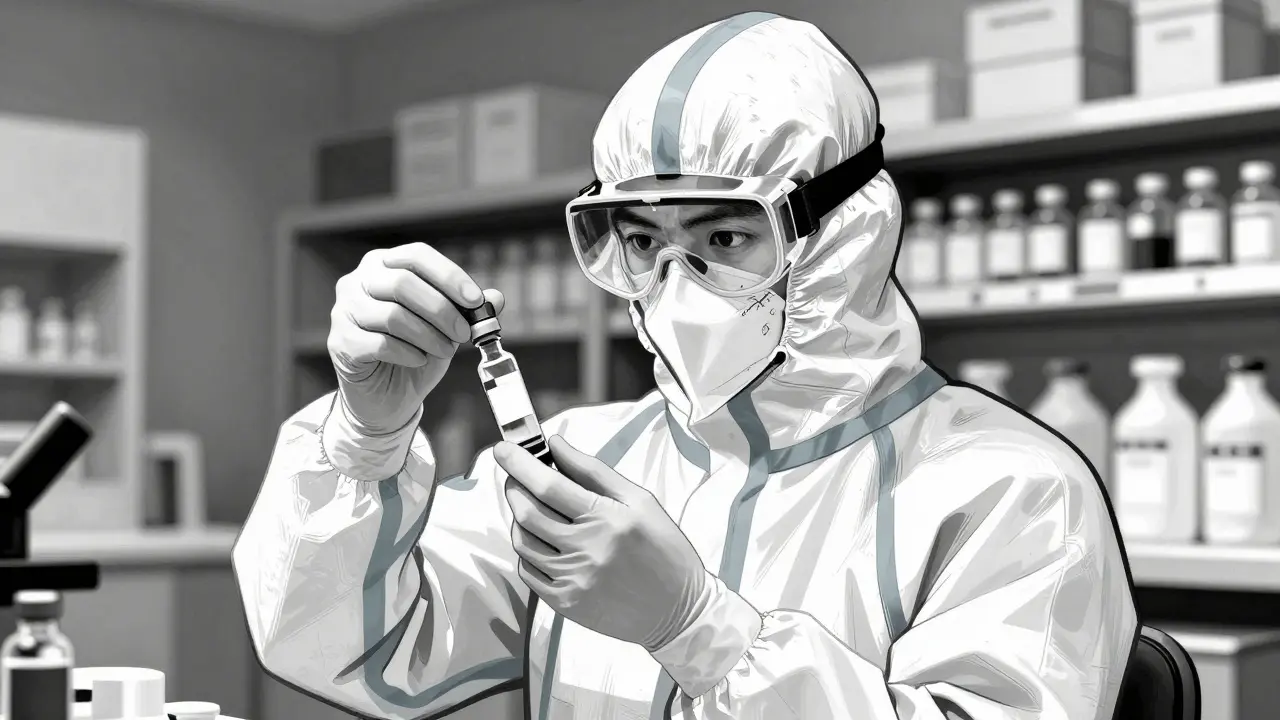
Imagine a drug powerful enough to destroy rapidly dividing cancer cells. Now imagine that same drug leaking through your gloves, settling on your skin, or being administered to the wrong patient. This is the reality of cancer chemotherapy, also known as antineoplastic therapy. It is a medical treatment that uses potent chemicals to kill malignant cells, but it carries significant risks for patients, healthcare workers, and even family members at home.
Safety isn't just about wearing a mask. It involves strict protocols for preparation, multiple verification steps before administration, and specialized disposal methods. In recent years, the rules have tightened significantly. The American Society of Clinical Oncology (ASCO) and the Oncology Nursing Society (ONS) updated their standards in 2024, introducing new requirements like a mandatory fourth verification step at the bedside. These changes aim to prevent errors that can lead to serious harm or death.
Why Chemotherapy Handling Is Dangerous
You might wonder why standard hospital gloves aren't enough. The answer lies in the chemical structure of these drugs. Antineoplastic agents are designed to be absorbed quickly by cells. Unfortunately, human skin is no exception. Studies dating back to 1992 showed that contamination transfers from outer gloves to hands and surfaces easily. If you handle these drugs without proper protection, you risk long-term health issues, including reproductive problems and secondary cancers.
The National Institute for Occupational Safety and Health (NIOSH) categorizes these hazardous drugs into five risk groups. Drugs like carmustine and thiotepa are particularly dangerous because they can permeate standard latex gloves. That’s why specific testing protocols are required. You need chemotherapy-tested double gloves and impermeable gowns. Eye protection is mandatory when splashing is possible, and respiratory protection is needed if aerosols or spills are anticipated.
| Equipment Type | Requirement Details | Reason for Use |
|---|---|---|
| Gloves | Chemotherapy-tested double gloves | Prevents permeation of high-risk drugs like carmustine |
| Gown | Impermeable, low-lint gown | Protects skin and clothing from splashes and spills |
| Eye Protection | Goggles or face shield | Required when splashing is possible during preparation |
| Respiratory Protection | N95 mask or higher | Necessary when aerosols or spills are anticipated |
All PPE must be considered contaminated after use. You cannot reuse it, and you must dispose of it according to hazardous waste protocols. This rule exists because five separate studies confirmed that contaminants remain on the surface of gloves and gowns even after removal if not done correctly.
The 2024 ASCO/ONS Safety Standards
The landscape of cancer care has changed. We aren't just using traditional chemotherapy anymore. Targeted therapies and immunotherapies are now common. To reflect this, the terminology shifted from 'chemotherapy' to 'antineoplastic therapy.' The 2024 update to the ASCO/ONS standards addresses these modern treatments and introduces stricter safety measures.
The standards are organized into four main domains:
- Safe Environment: Facilities must have specific engineering controls, such as closed-system transfer devices (CSTDs), to prevent exposure during drug preparation.
- Patient Consent and Education: Patients must receive clear documentation of their diagnosis, medication names, doses, treatment duration, and therapeutic goals.
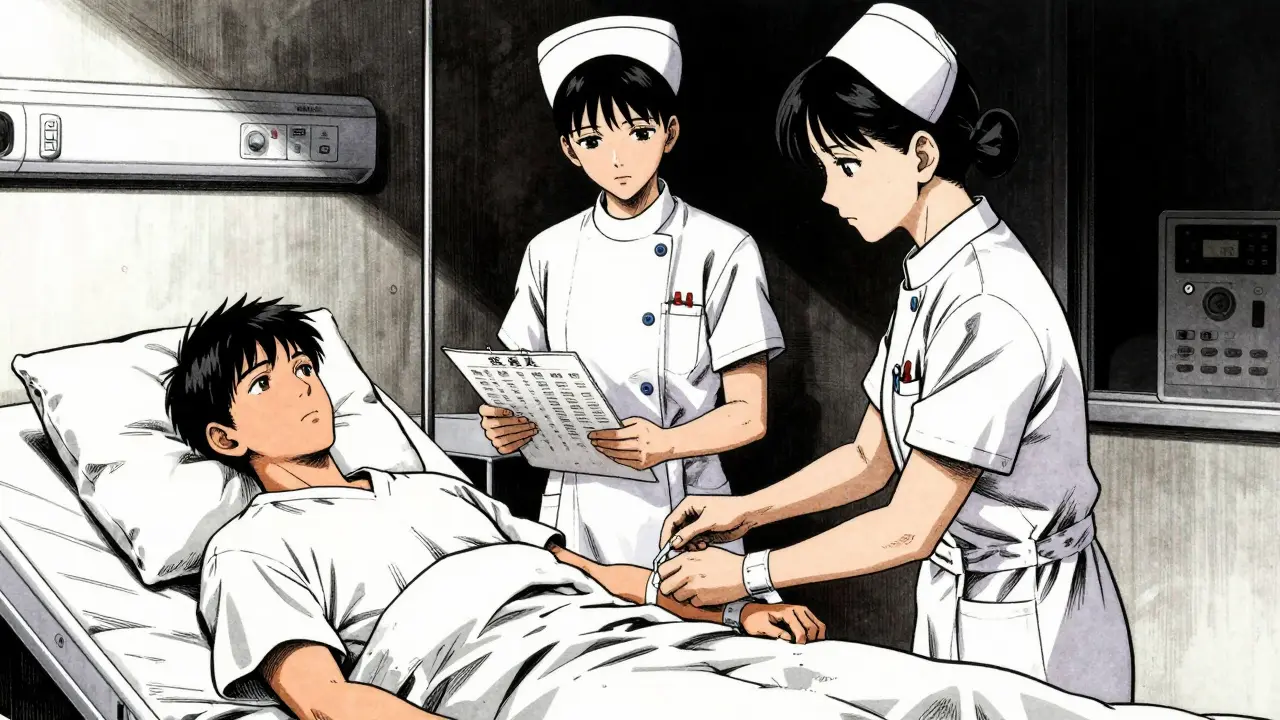
- Ordering and Administration Protocols: This includes multiple verification steps. The most critical change is the newly mandated fourth verification performed in the patient's presence.
- Monitoring: Staff must monitor patients during and after administration, with specific policies for managing cytokine release syndrome (CRS).
Dr. Gary H. Lyman, a professor at Duke University and lead author of the 2024 update, highlights the importance of the fourth verification step. He notes that patient identification errors accounted for 18% of chemotherapy-related adverse events in the 2022 NCCN Safety Database report. By requiring two licensed clinicians to verify the patient's identity using two identifiers right at the bedside, facilities can catch mistakes before they happen.
Understanding Cytokine Release Syndrome (CRS)
As immunotherapies become more common, so does the risk of cytokine release syndrome (CRS). This is a severe reaction where the immune system releases too many inflammatory proteins. It can lead to fever, low blood pressure, and organ failure. Between 2018 and 2022, there was a 300% increase in immunotherapy-related CRS cases.
If not managed correctly, mortality rates for CRS range from 12% to 15%. The 2024 standards now require hospitals to have institutional policies ensuring that antidotes and CRS-directed therapies are readily accessible. Nurses and doctors must be trained to recognize the early signs of CRS and act immediately. This shift reflects the broader understanding that safety extends beyond preventing drug leaks to managing complex biological reactions.
Challenges in Implementation
While the standards are clear, implementing them is expensive and time-consuming. A medium-sized oncology practice needs 9-12 months of preparation. The costs include $22,000-$35,000 for facility modifications and $8,500-$12,000 for staff training. On top of that, annual costs for PPE and hazardous waste disposal run between $4,200 and $6,800.
There is also a human factor. Many nurses feel overwhelmed. One nurse reported that the fourth verification step adds 7-10 minutes per patient to already overloaded schedules. Some facilities haven't seen a decrease in errors despite the extra step, likely because staff rush through the process due to time pressure. Additionally, electronic health record (EHR) systems often need custom builds costing $15,000-$40,000 to support these multiple verification requirements.
Health equity is another concern. Dr. Sarah Temkin points out that 43% of rural cancer programs cannot afford the full CSTD requirement. This creates a two-tiered safety system where patients in wealthy urban centers get better protection than those in rural areas.
Safety at Home: The Hidden Risk
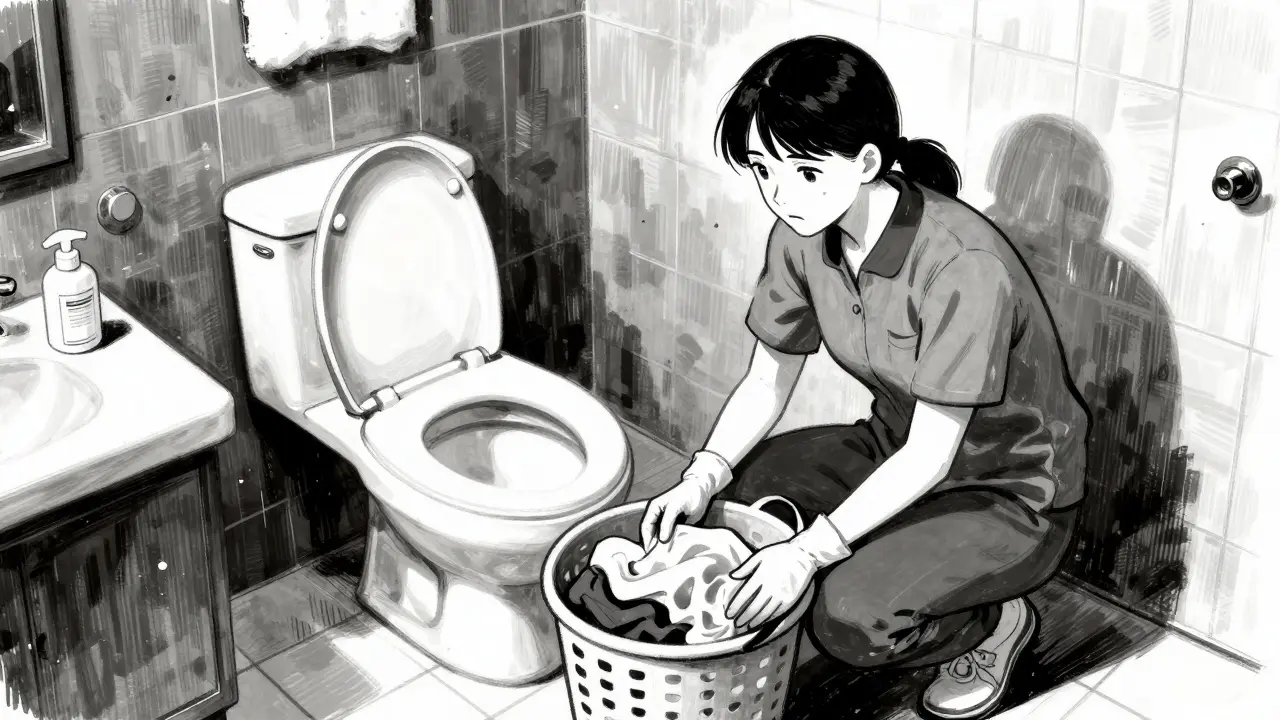
Many people assume chemotherapy safety ends at the hospital door. However, 22% of home care incidents involve improper disposal of hazardous waste, and 17% involve inadequate spill management. When patients go home, they excrete the drugs in their urine, stool, and vomit for 48-72 hours. This bodily fluid is toxic.
Caregivers often feel unprepared. A survey found that 65% of home chemotherapy caregivers felt inadequately educated, with 82% worried about handling bodily fluids. Here are some essential tips for home safety:
- Toilet Hygiene: Close the toilet lid before flushing to prevent aerosolization. Flush twice. Men should sit down to urinate to reduce splashing.
- Laundry: Wash soiled clothes separately from other laundry. Use warm water and detergent. Do not shake dirty clothes before washing.
- Spill Kits: Keep a chemotherapy spill kit at home. It should include gloves, absorbent pads, and a sealable bag for disposal.
- Storage: Store any unused medications in child-proof locations away from heat and light.
Facilities using the ASCO-developed Chemotherapy Safety at Home toolkit saw a 41% reduction in caregiver-reported safety concerns. Education is key. If you are a caregiver, ask your healthcare provider for specific written instructions tailored to the drugs your loved one is receiving.
Regulatory Enforcement and Future Trends
Regulators are taking notice. OSHA issued 142 citations related to hazardous drug handling violations in 2022, a 37% increase from the previous year. The average penalty was $14,250 per violation. This enforcement push is driving adoption. The global hazardous drug handling equipment market is projected to reach $2.34 billion by 2028, driven largely by compliance with USP <800> standards.
Looking ahead, several developments are on the horizon:
- National Certification: Standardized national certification for chemotherapy administration personnel is expected in 2026.
- AI Verification: Pilot programs launching in late 2024 will test AI-powered verification systems to reduce the manual burden on nurses.
- New Therapies: Guidelines are being expanded to cover bispecific antibodies and antibody-drug conjugates, which present unique handling challenges.
The goal is clear: prevent the estimated 1,200-1,800 serious adverse events that occur annually in U.S. cancer programs. Full implementation of the 2024 standards could save lives and reduce healthcare costs by up to $220 million.
What is the fourth verification step in chemotherapy administration?
The fourth verification step is a new requirement introduced in the 2024 ASCO/ONS standards. It mandates that two licensed clinicians verify the patient's identity using two distinct identifiers (such as name and date of birth) while standing at the patient's bedside, just before administering the drug. This step aims to eliminate patient identification errors, which previously caused 18% of chemotherapy-related adverse events.
How long does chemotherapy stay in bodily fluids after treatment?
Chemotherapy drugs can remain in urine, stool, vomit, and sweat for 48 to 72 hours after treatment. During this period, these fluids are considered hazardous waste. Caregivers should take precautions such as closing the toilet lid before flushing, washing soiled laundry separately, and wearing gloves when assisting with hygiene.
Why are double gloves required for handling chemotherapy?
Standard latex gloves do not provide sufficient protection against certain chemotherapeutic agents. Drugs like carmustine and thiotepa can permeate single layers of glove material. Using chemotherapy-tested double gloves ensures that if the outer glove is punctured or contaminated, the inner glove still protects the skin. All PPE must be disposed of as hazardous waste after use.
What is Cytokine Release Syndrome (CRS)?
Cytokine Release Syndrome (CRS) is a severe side effect associated with some immunotherapies. It occurs when the immune system releases excessive amounts of inflammatory proteins, leading to symptoms like high fever, low blood pressure, and organ dysfunction. Without immediate treatment with specific antidotes, CRS can be fatal, with mortality rates between 12% and 15%.
Are there different safety standards for rural vs. urban cancer centers?
While the official ASCO/ONS standards apply to all facilities, implementation varies due to resource constraints. Approximately 43% of rural cancer programs report an inability to fully implement requirements like Closed-System Transfer Devices (CSTDs) due to cost. This disparity creates a potential two-tiered safety system, though regulatory bodies are working to address these equity gaps.