

Fluoroquinolone Risk Assessment Tool
Select all factors that apply to you to estimate your risk level for adverse events.
Age Over 60
Increased risk of tendon disorders (1.5x)Corticosteroid Use
Taking steroids like prednisone (46x risk increase)Renal Failure
Kidney issues affecting drug clearance (1.7x odds ratio)Organ Transplant Recipient
Often involves immunosuppressants and steroidsHistory of Tendon Issues
Previous tendonitis or rupturesYour Risk Profile
Recommendation:
Fluoroquinolones are generally safe for low-risk patients when used appropriately for serious infections. However, always discuss alternatives with your doctor.
You take an antibiotic for a simple infection. A few days later, your heel starts throbbing. You ignore it, thinking it’s just soreness from walking. Then, with a sickening pop, your Achilles tendon snaps. This isn’t a rare horror story; it is the reality for some people taking fluoroquinolones, a powerful class of antibiotics that includes ciprofloxacin, levofloxacin, and moxifloxacin. While these drugs save lives in severe cases, they carry risks that can be permanent and disabling. If you are prescribed one of these medications, you need to know exactly what you are signing up for.
The Hidden Danger in Common Antibiotics
Fluoroquinolones have been around since the 1960s, but their reputation has changed drastically over the last decade. For years, doctors prescribed them freely for everything from sinus infections to urinary tract infections. Today, major health agencies like the U.S. Food and Drug Administration (FDA) and the European Medicines Agency (EMA) have issued strict warnings. Why? Because the side effects are not just uncomfortable-they can destroy your mobility and nerve function.
In 2008, the FDA added a black-box warning-the strongest safety alert-to all fluoroquinolone labels. By 2016, they strengthened this warning after reviewing thousands of patient reports. The conclusion was stark: these drugs cause potentially permanent damage to tendons, muscles, joints, nerves, and the central nervous system. In 2019, the UK’s Medicines and Healthcare products Regulatory Agency (MHRA) restricted their use entirely for mild to moderate infections. They are now considered a last resort, used only when no other treatment options exist.
Tendinopathy: When Tissues Fail
The most well-known risk of fluoroquinolone use is tendinopathy, which refers to inflammation or degeneration of the tendon tissue. Your tendons are the tough cords that connect muscle to bone. Fluoroquinolones appear to disrupt the collagen structure within these tendons, making them weak and prone to tearing.
Here is what the data shows:
- Achilles Tendon Vulnerability: About 90% of fluoroquinolone-related tendon issues affect the Achilles tendon. It is the largest tendon in your body and takes the most load when you walk or run.
- Risk of Rupture: In approximately 40% of patients who develop tendinitis from these drugs, the tendon eventually ruptures. This often happens suddenly, without prior warning signs of severe pain.
- Bilateral Involvement: Up to 50% of cases involve both legs. One day your right heel hurts; the next week, your left one gives way too.
- Delayed Onset: Symptoms usually start within the first month of treatment. However, nearly half of all tendon injuries occur after you have finished taking the medication. You might feel fine while on the drug, only to suffer a rupture weeks later.
If you feel any pain, swelling, or inflammation in a tendon area-especially your heels, shoulders, or thumbs-stop taking the medication immediately. Do not wait. Continuing the course can turn minor inflammation into a complete tear requiring surgery.
Nerve Damage: The Silent Threat
While tendon issues get the headlines, nerve damage is equally devastating. Fluoroquinolones can cause peripheral neuropathy, a condition where the nerves outside your brain and spinal cord are damaged. This affects about 4.3% of patients according to clinical studies.
What does this feel like? Patients describe it as burning, tingling, numbness, or sharp shooting pains in the hands and feet. Unlike tendon pain, which is localized, neuropathy can spread. More frighteningly, this nerve damage can be irreversible. Some patients report symptoms lasting for years after stopping the drug. The onset is typically rapid, often occurring within the first month of therapy.
Because nerve damage is invisible on X-rays or standard blood tests, it is often dismissed by healthcare providers as "age-related" or "stress." If you experience new neurological symptoms while on a fluoroquinolone, demand a thorough evaluation. Early discontinuation may prevent permanent disability.

Who Is at Highest Risk?
Not everyone who takes a fluoroquinolone will suffer these side effects, but certain groups face dramatically higher risks. Understanding your personal risk profile is crucial before agreeing to this treatment.
| Risk Factor | Impact on Risk | Details |
|---|---|---|
| Age Over 60 | High | 1.5x increased risk of tendon disorders; 2.7x increased risk of rupture. Older tendons have less elasticity and repair capacity. |
| Corticosteroid Use | Very High | Using steroids (like prednisone) alongside fluoroquinolones increases rupture risk by 46-fold. This combination is particularly dangerous. |
| Renal Failure | Moderate-High | Odds ratio of 1.7 for tendon disorders. Kidneys clear the drug; if they fail, toxicity builds up in tissues. |
| Organ Transplant Recipients | High | These patients often take immunosuppressants and steroids, compounding the risk factors significantly. |
| History of Tendon Issues | Moderate | If you have had tendonitis or ruptures before, your connective tissue may already be compromised. |
If you fall into any of these categories, you should actively discuss alternative antibiotics with your doctor. The convenience of a once-daily pill is rarely worth the risk of lifelong disability.
When Are Fluoroquinolones Still Used?
Despite the risks, fluoroquinolones are not banned. They remain essential tools for treating specific, serious bacterial infections where other antibiotics fail. The key is appropriate use. Doctors should reserve these drugs for:
- Complicated Urinary Tract Infections: Specifically those involving kidney stones or structural abnormalities.
- Hospital-Acquired Pneumonia: Severe lung infections resistant to standard treatments.
- Anthrax Exposure: As a post-exposure prophylaxis for bioterrorism events.
- Chronic Bacterial Prostatitis: When other agents cannot penetrate prostate tissue effectively.
They should never be the first choice for uncomplicated urinary tract infections, acute bacterial sinusitis, or acute exacerbations of chronic bronchitis. If your doctor prescribes ciprofloxacin for a simple bladder infection, ask why. Ask if amoxicillin, trimethoprim-sulfamethoxazole, or nitrofurantoin would work instead. These alternatives have much safer profiles for common ailments.
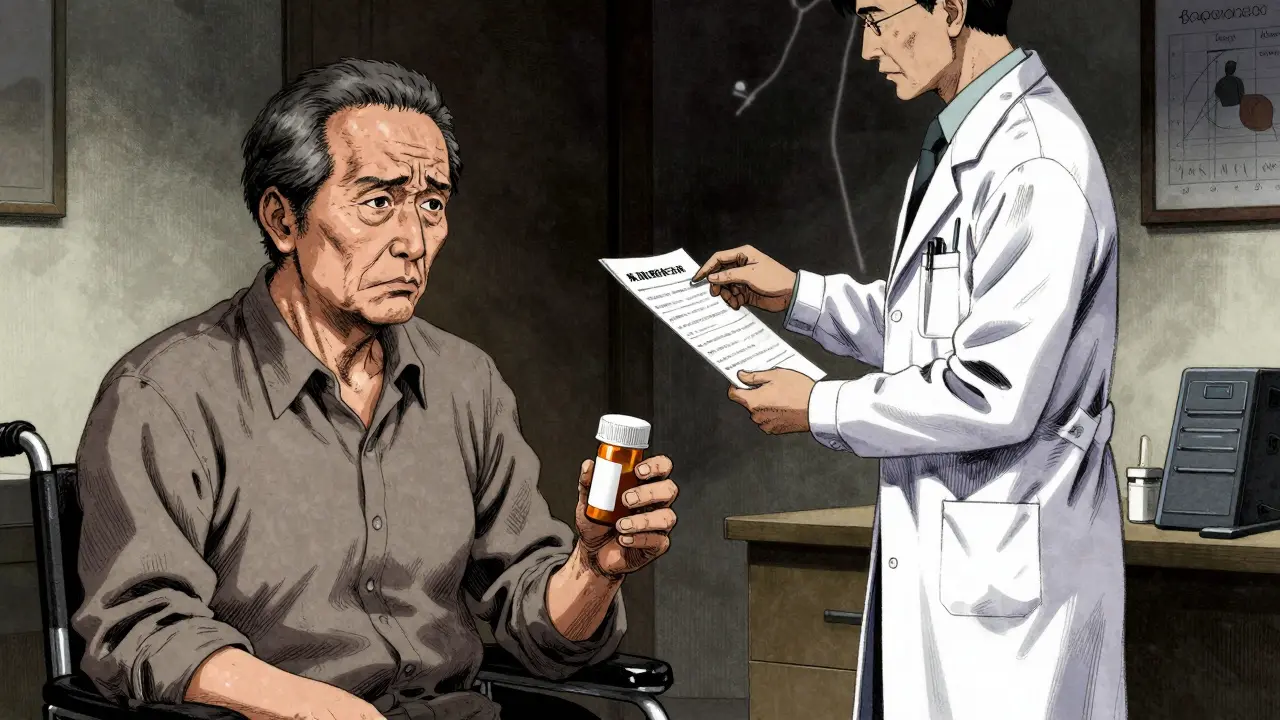
What To Do If You Experience Symptoms
If you are currently taking a fluoroquinolone and notice pain, tingling, or weakness, act fast. Here is your step-by-step plan:
- Stop the Medication Immediately: Do not finish the course. The risk of further damage outweighs the benefit of clearing the remaining bacteria.
- Contact Your Doctor: Inform them of your symptoms. Request an alternative antibiotic to treat the underlying infection.
- Immobilize Affected Areas: If you suspect tendon involvement, rest the limb. Avoid weight-bearing activities. Do not stretch the painful area, as this can worsen micro-tears.
- Avoid Corticosteroids: Never take anti-inflammatory steroids for fluoroquinolone-induced pain. They accelerate tendon degradation.
- Document Everything: Keep a record of when symptoms started relative to your dose. This information is vital for diagnosis and potential reporting to health authorities.
Recovery varies. Minor tendinitis may resolve in a few weeks with rest. Ruptures require surgical repair and months of physical therapy. Nerve damage may never fully heal. Prevention is the only true cure.
The Bigger Picture: Why Prescribing Has Changed
The shift away from fluoroquinolones reflects a broader change in medical practice: prioritizing long-term patient safety over short-term convenience. Global market data shows a 27% decline in fluoroquinolone sales between 2015 and 2022. In the U.S., prescriptions for uncomplicated UTIs dropped from 17.3% to 5.1% in primary care settings during the same period.
This decline is driven by evidence. Studies confirm that for many common infections, older, cheaper antibiotics are just as effective but far safer. The era of using "big gun" antibiotics for minor bugs is ending. As patients, we must advocate for ourselves. Knowledge is your best defense. Read the label. Ask questions. Know your rights.
Can fluoroquinolone side effects be reversed?
Tendon inflammation may heal with rest and physical therapy, but tendon ruptures often require surgery and may leave residual weakness. Peripheral neuropathy (nerve damage) is frequently irreversible, leading to chronic pain and sensory loss. Early discontinuation of the drug improves outcomes but does not guarantee full recovery.
How long after stopping fluoroquinolones do symptoms appear?
Symptoms typically begin within the first month of treatment. However, up to 50% of tendon adverse events occur after the medication has been discontinued. Some patients report delayed onset of symptoms several weeks or even months after finishing their course.
Are there safer alternatives to fluoroquinolones?
Yes. For most common infections like urinary tract infections, sinusitis, and bronchitis, antibiotics such as amoxicillin, doxycycline, trimethoprim-sulfamethoxazole, and nitrofurantoin are effective and carry significantly lower risks of disabling side effects.
Should I avoid fluoroquinolones if I am over 60?
You should exercise extreme caution. Patients over 60 have a 1.5 times higher risk of tendon disorders and a 2.7 times higher risk of tendon rupture. Unless no other treatment option exists for a serious infection, fluoroquinolones should generally be avoided in this age group.
Does taking corticosteroids increase the risk?
Yes, dramatically. Concurrent use of corticosteroids (such as prednisone) increases the risk of tendon rupture by 46 times. This combination is particularly dangerous and should be avoided whenever possible.