
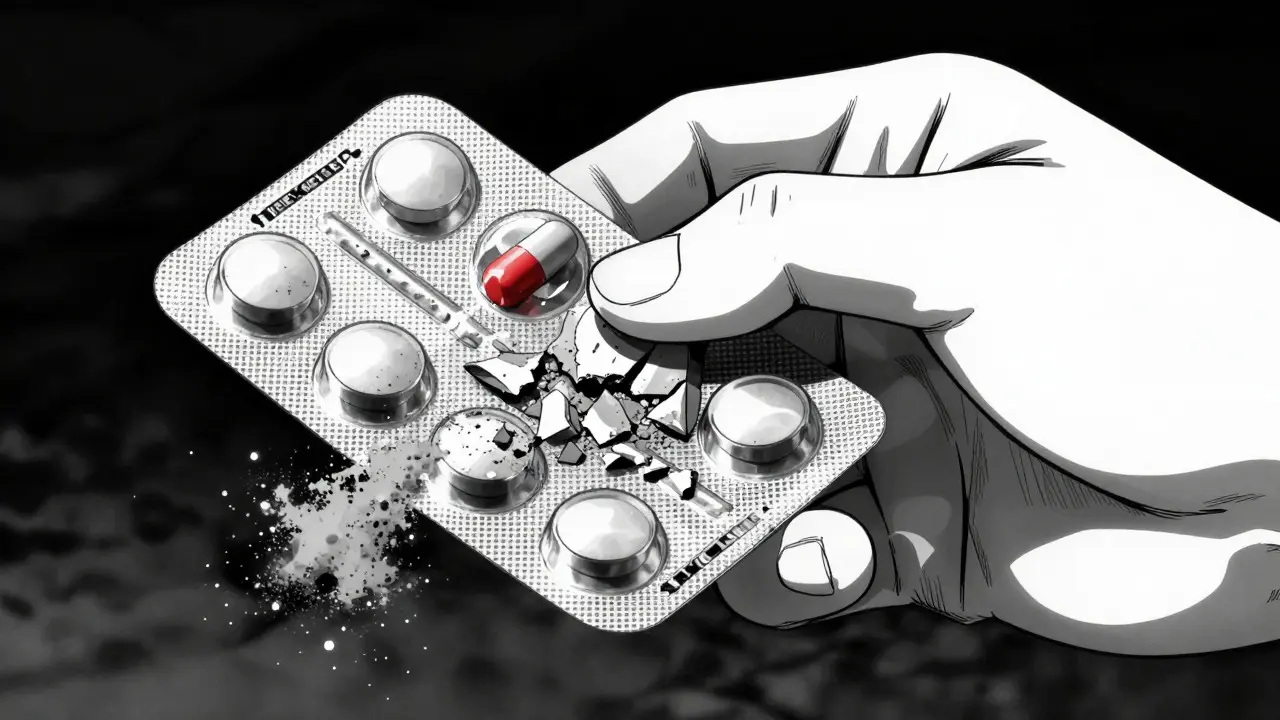
Imagine paying for a life-saving heart medication, only to swallow chalk and glue. It sounds like a horror movie plot, but it is the daily reality for millions of people worldwide. Counterfeit generics are not just a problem in distant, developing nations; they have infiltrated legitimate supply chains and online pharmacies in high-income countries too. In 2024 alone, authorities uncovered over 6,400 incidents of pharmaceutical counterfeiting across 136 countries. That is a 38% jump from just four years prior. If you buy your meds online or shop at discount outlets, you need to know what you are looking for.
The Hidden Danger Behind the Low Price
We all love a bargain. When brand-name drugs cost hundreds of dollars, generic alternatives seem like a miracle. Legitimate generics are required by regulators like the FDA and EMA to be bioequivalent to their brand-name counterparts. This means they must deliver the same amount of active ingredient into your bloodstream within a similar timeframe (usually between 80-125% of the reference product). They are safe, effective, and typically cost 80-85% less than the original brand.
But counterfeit generics are a different beast entirely. They are illegal copies that mimic the look of real medicine without the substance. According to data from The American Journal of Tropical Medicine and Hygiene, nearly half (52.8%) of counterfeit medicines found in supply chains contain either zero active pharmaceutical ingredients (API) or dangerous substitutes. You might be taking a pill that does nothing, or worse, one that contains toxic chemicals. Criminal networks sell these fakes at 30-50% below the price of legitimate generics because their production costs are virtually non-existent. They are banking on your desire to save money.
| Feature | Legitimate Generic | Counterfeit Generic |
|---|---|---|
| Regulatory Approval | FDA/EMA approved; rigorous testing | No approval; unregulated manufacturing |
| Active Ingredient | Exact dosage required for efficacy | Often 0-30% of required dose or wrong substance |
| Pricing | 80-85% cheaper than brand name | 30-50% cheaper than legitimate generics |
| Safety Features | Holograms, QR codes, unique serial numbers | Mimicked features often poorly printed or missing |
| Source | Licensed pharmacies, verified online sites | Unverified websites, social media, street vendors |
Who Is Most at Risk?
You might think this only affects travelers or people in low-income regions, but the data tells a more complex story. The World Health Organization (WHO) estimates that 1 in 10 medicines in low- and middle-income countries are substandard or falsified. In some parts of Africa, that number climbs to 70%. However, the threat is shifting. During the COVID-19 pandemic, criminals exploited the global demand for antivirals, and now they are targeting "lifestyle" drugs.
In 2025, U.S. Customs and Border Protection intercepted massive shipments of fake Ozempic, Botox, and erectile dysfunction drugs entering from Asia. These are high-demand products with high profit margins. An Iowa pharmacy was even fined $25,000 in August 2025 for selling fake Ozempic, proving that fakes can slip past local checks. The most commonly counterfeited categories include:
- Antibiotics: Substandard doses lead to treatment failure and drive antimicrobial resistance.
- Painkillers: Often laced with stronger, unlisted opioids like fentanyl.
- Lifestyle Drugs: Weight-loss injections (semaglutide), steroids, and ED medications are prime targets due to discreet online purchasing habits.
- Oncology Biologics: High-cost cancer treatments like Yervoy and Opdivo have been targeted by sophisticated criminal rings.
If you are buying any of these, especially online, you are in the crosshairs of counterfeiters.
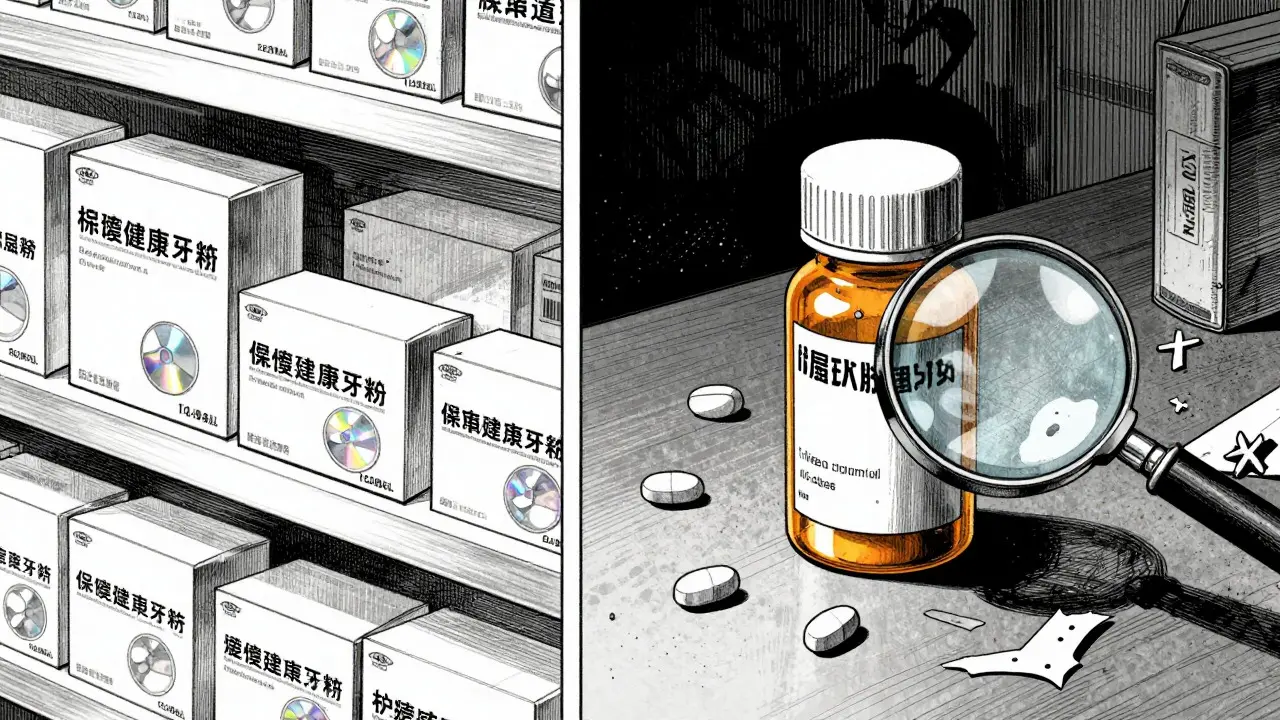
Red Flags: How to Spot a Fake
Detecting a counterfeit doesn't always require a lab coat. Often, your eyes and a bit of skepticism are enough. Here is what to look for before you pop that pill or inject that pen.
1. The Packaging Inspection
Criminals are getting better at copying packaging, but they still make mistakes. Look closely at the box and the bottle.
- Spelling Errors: Check for misspellings on the label, instructions, or manufacturer name. Even small typos are a huge red flag.
- Print Quality: Blurry logos, faded colors, or misaligned text suggest cheap printing equipment rather than industrial pharmaceutical standards.
- Seal Integrity: Is the tamper-evident seal broken, loose, or missing? The WHO’s 'Medicines Safe' campaign advises consumers to "break the seal" carefully and inspect the tablet inside.
- Lot Numbers: Every legitimate batch has a lot number and expiration date printed clearly. If these are smudged, handwritten, or missing, throw it out.
2. The Physical Pill Check
Take the pill out of the blister pack or bottle. Does it look right?
- Color and Shape: Compare it to previous pills you have taken. Is the color slightly off? Is the shape irregular?
- Texture and Smell: Does it crumble easily when touched? Does it have an unusual odor or taste? Real coatings are smooth and durable.
- Imprinting: Most genuine pills have letters or numbers imprinted on them. Counterfeits often lack these or have shallow, illegible marks.
3. The Source Verification
Where did you buy it? This is the single most important factor. Dr. Margaret A. Hamburg, former FDA Commissioner, noted that 50% of medicines sold by online pharmacies that hide their physical address are fake. Furthermore, 89% of illegal online pharmacies do not require a prescription.
If a website offers a deal that seems too good to be true, it is. Legitimate pharmacies verify prescriptions and charge fair market prices. Be wary of sites that accept only cryptocurrency or wire transfers, as these methods are hard to trace.
Digital Tools for Verification
Technology is becoming our best defense against counterfeits. Many major pharmaceutical companies now offer digital verification tools.
For example, Novo Nordisk, the maker of Ozempic, launched a "Verify Your Pen" system. In Q3 2025 alone, users authenticated 2.1 million pens through this tool, with 1.8% flagged as potentially counterfeit. You simply scan a QR code or enter a serial number from the packaging. If the system says it’s invalid, do not use the drug.
Apps like TrueMed have also gained popularity, allowing users to scan barcodes and check against global databases of known fakes. With a 4.7/5 star rating on Google Play, users report it is particularly helpful for verifying sensitive medications like those for erectile dysfunction. While no app is perfect, using multiple verification methods significantly reduces risk.
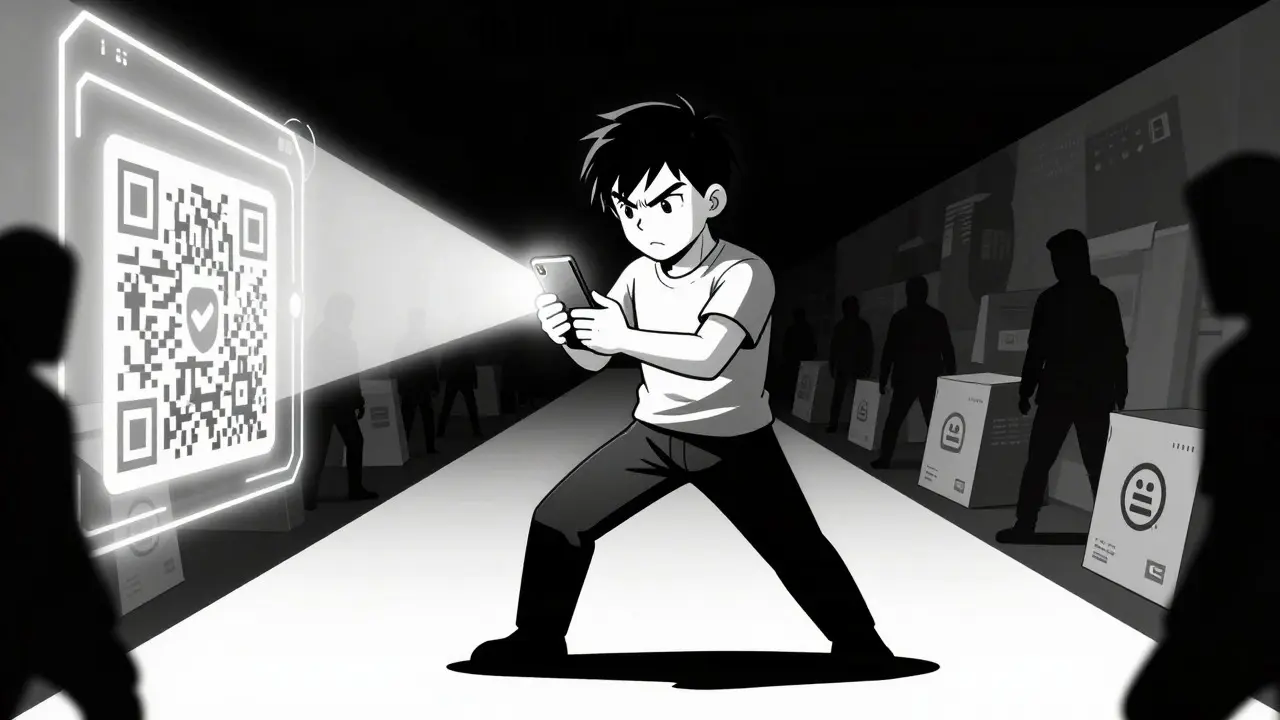
Protecting Yourself: A Step-by-Step Checklist
To stay safe, adopt a multi-layered approach. Do not rely on just one method.
- Buy from Licensed Pharmacies: Stick to state-licensed brick-and-mortar stores or online pharmacies displaying the VIPPS (Verified Internet Pharmacy Practice Sites) seal. You can verify VIPPS status on the National Association of Boards of Pharmacy website.
- Check the NDC Number: In the U.S., every drug has a National Drug Code (NDC). Enter this number on the FDA’s database to confirm it matches the product description.
- Use Manufacturer Tools: If you are prescribed a high-risk drug like semaglutide or insulin, check if the manufacturer offers a verification portal. Use it every time you get a new refill.
- Report Suspicious Products: If you suspect a fake, do not just toss it. Report it to the FDA’s MedWatch program or your country’s health authority. This helps authorities track trends and shut down bad actors.
- Educate Your Family: Share these tips with elderly relatives who may be less tech-savvy but more vulnerable to scams.
The Future of Medication Safety
The fight against counterfeit generics is evolving. Criminal networks are increasingly using AI to design more convincing packaging and exploit telemedicine platforms. Interpol’s Operation Pangea XVI in March 2025 seized over 50 million doses of unapproved medicines and shut down 13,000 illegal websites, showing the scale of the operation. Yet, experts predict incidents will rise by 15-20% annually through 2027.
However, there is hope. Blockchain technology is being piloted in 15 countries to create immutable records of drug movement from factory to patient. Early results show a 22% reduction in counterfeit incidence. Regulatory bodies are also tightening rules. The EU’s Falsified Medicines Directive requires safety features on all packaging, and India mandated QR codes on API containers in 2023. As these systems expand, the window for counterfeiters will shrink.
Until then, vigilance is your best weapon. Do not let the lure of a cheap price compromise your health. Verify, inspect, and question. Your body deserves the real thing.
Are generic medications safer than brand-name drugs?
Yes, legitimate generic medications are just as safe and effective as brand-name drugs. They must meet the same strict quality control standards set by regulatory agencies like the FDA and EMA. The term "generic" refers to the fact that the patent has expired, not the quality. The danger lies in counterfeit generics, which are illegal fakes that bypass these regulations entirely.
Can I get counterfeit drugs from my local pharmacy?
It is rare but possible. While most licensed pharmacies have robust supply chain controls, errors can occur, or suppliers can be compromised. Cases like the Iowa pharmacy fined in 2025 for selling fake Ozempic show that infiltration can happen. To minimize risk, buy from well-established, licensed pharmacies and always inspect your medication upon receipt.
What should I do if I suspect my medication is fake?
Stop taking the medication immediately. Contact your doctor to discuss alternative treatments. Then, report the incident to your national health authority (e.g., FDA MedWatch in the U.S.) and the pharmacy where you purchased it. Keep the packaging and remaining pills as evidence. Reporting helps authorities track and dismantle counterfeit networks.
Is it safe to buy medications online?
Online pharmacies can be safe if they are verified. Look for the VIPPS seal in the U.S. or equivalent accreditation in your country. Ensure the site requires a valid prescription, provides a physical address and phone number, and has a licensed pharmacist available for consultation. Avoid sites that offer unusually low prices, accept only untraceable payments, or ship from unknown international locations.
Why are weight-loss drugs like Ozempic frequently counterfeited?
Weight-loss drugs have seen explosive demand, leading to shortages and high prices. This creates a lucrative black market. Counterfeiters target these drugs because they are high-value, often purchased discreetly online, and patients may be less likely to scrutinize packaging due to urgency or embarrassment. Additionally, the injection format makes it harder for laypeople to visually inspect the contents compared to oral pills.