
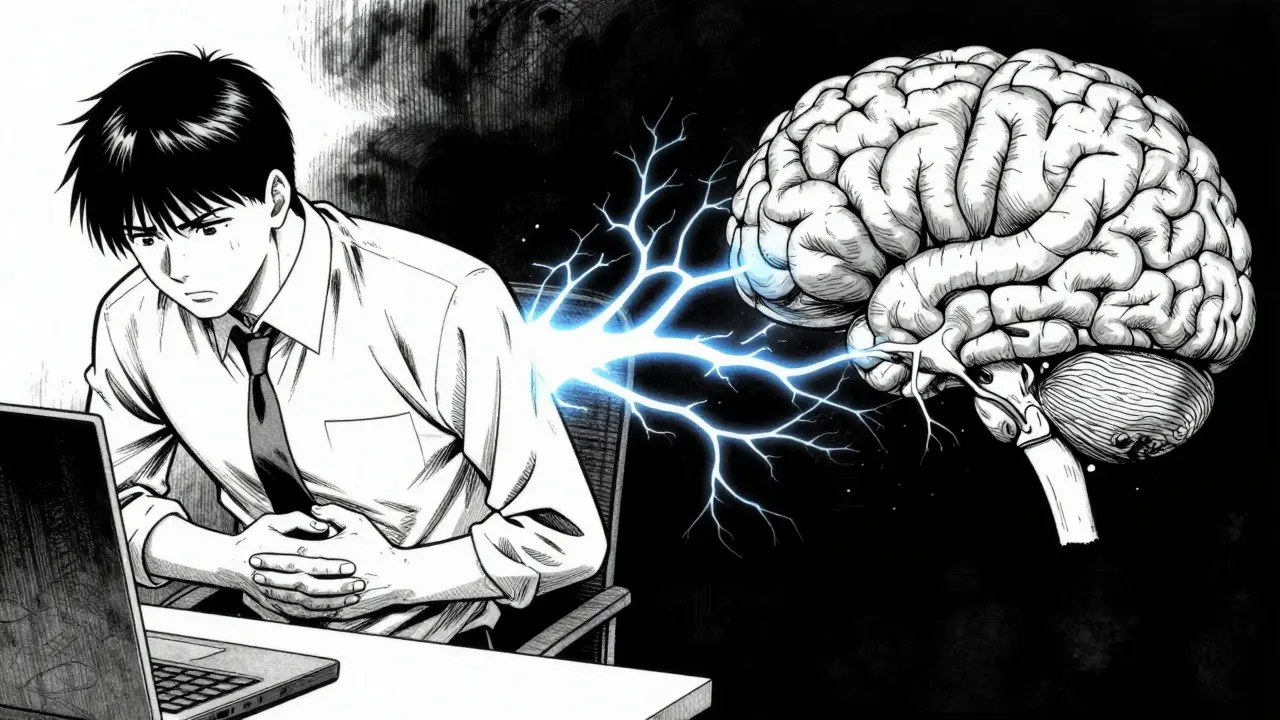
Does your stomach hurt right after a stressful meeting? Do you feel bloated when you’re anxious about an upcoming deadline? If so, you aren’t imagining things. For millions of people with Irritable Bowel Syndrome (IBS), the connection between mental stress and physical gut symptoms is real, measurable, and often the key to finding relief.
For decades, doctors treated IBS as a simple digestive issue-a problem with motility or digestion. But modern science has flipped that script. We now know IBS is primarily a disorder of the gut-brain axis (the bidirectional communication network between the central nervous system and the enteric nervous system). This means your brain and your gut are constantly talking to each other via nerves, hormones, and immune signals. When this conversation goes wrong, pain, bloating, and irregular bowel movements follow.
Understanding this link isn’t just academic-it’s practical. By targeting the gut-brain axis, patients can access treatments that go beyond masking symptoms to actually calming the overactive signals causing their discomfort. Here is how the gut-brain connection works and what you can do about it.
The Science Behind the Gut-Brain Connection
To treat IBS effectively, we first need to understand why it happens. The gut-brain axis operates through three main pathways: neural (nerves), endocrine (hormones), and neuroimmune (immune cells). Think of it like a complex telephone line. In healthy individuals, the calls are clear. In IBS, the line is noisy, distorted, and overly sensitive.
A major player in this system is serotonin. About 95% of your body’s serotonin is produced in your gut, not your brain. Serotonin helps regulate bowel movements. Research shows that people with diarrhea-predominant IBS (IBS-D) have significantly higher levels of mucosal serotonin compared to healthy controls. Conversely, those with constipation-predominant IBS (IBS-C) often have reduced serotonin availability. This imbalance directly affects how fast food moves through your intestines.
Furthermore, imaging studies reveal structural changes in the brains of IBS patients. Some research indicates increased gray matter density in the hypothalamus (which regulates stress responses) and decreased density in the prefrontal cortex (which handles rational thought and emotional regulation). Essentially, the brain becomes hyper-focused on gut sensations. A normal gas bubble might be perceived by the brain as severe pain because the "volume" on visceral sensitivity is turned up too high.
Dietary Interventions: Calming the Gut Environment
If the gut-brain axis is the wiring, diet is the fuel. What you eat directly impacts the microbiome, which in turn sends signals to the brain. The most evidence-backed dietary approach for IBS is the low-FODMAP diet (a temporary elimination diet reducing fermentable oligosaccharides, disaccharides, monosaccharides, and polyols).
FODMAPs are short-chain carbohydrates that are poorly absorbed in the small intestine. They draw water into the gut and ferment rapidly, producing gas. For someone with visceral hypersensitivity, this distension triggers pain signals to the brain. Clinical trials show that 50-76% of IBS patients experience significant symptom improvement on a low-FODMAP diet.
However, this diet is not a lifelong solution. It should be done in three phases:
- Elimination: Remove all high-FODMAP foods for 4-6 weeks to reduce symptoms.
- Reintroduction: Systematically add back specific FODMAP groups to identify personal triggers.
- Personalization: Create a long-term diet that avoids only your specific triggers while maintaining nutritional diversity.
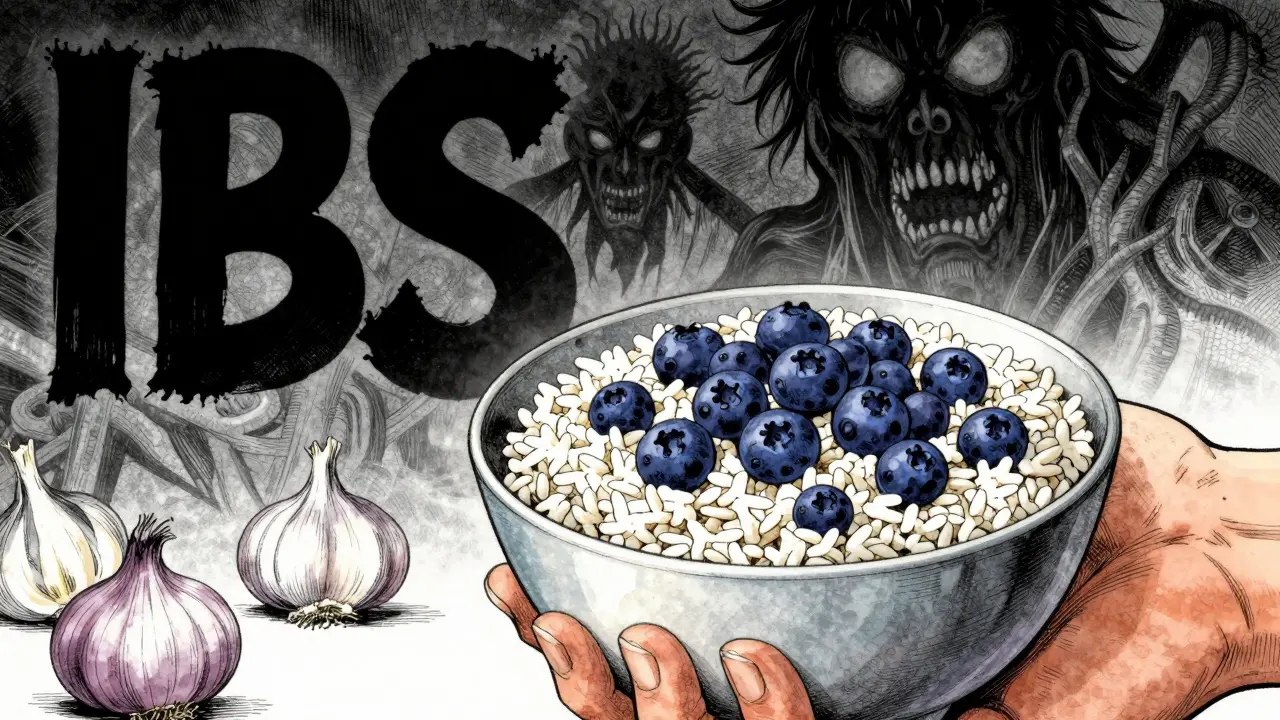
Working with a registered dietitian is crucial here. Without guidance, many people restrict too much, leading to nutrient deficiencies or worsening anxiety around food. Common high-FODMAP triggers include wheat, onions, garlic, legumes, and certain fruits like apples and pears. Low-FODMAP alternatives include rice, oats, lactose-free dairy, bananas, and blueberries.
Neuromodulation and Psychological Therapies
Since the brain plays such a large role in IBS, therapies that target the brain can be incredibly effective. One of the most powerful tools is gut-directed hypnotherapy (a specialized form of hypnosis focused on reducing gut sensitivity and improving bowel function).
This isn’t about mind control; it’s about training the brain to process gut signals differently. Randomized controlled trials show response rates of 70-80%, significantly outperforming standard medical care alone. Patients learn relaxation techniques and visualization exercises that lower the "alarm level" of the gut-brain axis. The effects often last months or even years after treatment ends.
Other psychological approaches include Cognitive Behavioral Therapy (CBT) tailored for IBS. CBT helps patients identify and change negative thought patterns related to their symptoms. For example, instead of thinking, "This pain means something is terribly wrong," a patient learns to think, "My gut is sensitive right now, but this sensation will pass." This shift reduces anxiety, which in turn lowers cortisol levels and calms the gut.
Pharmacological Options Targeting the Axis
When lifestyle changes aren’t enough, medications can help rebalance the gut-brain communication. These drugs don’t just treat the gut; they influence the neurotransmitters involved in the axis.
| Medication Class | Mechanism of Action | Best For | Key Considerations |
|---|---|---|---|
| 5-HT3 Antagonists (e.g., Alosetron) | Blocks serotonin receptors to slow gut movement and reduce pain signaling | Women with IBS-D | Requires strict monitoring due to ischemic colitis risk |
| 5-HT4 Agonists (e.g., Prucalopride) | Stimulates serotonin receptors to increase gut motility | Patients with IBS-C | May cause nausea or headache initially |
| Low-Dose Tricyclic Antidepressants (TCAs) | Modulates pain perception in the central nervous system | Predominant pain or IBS-D | Takes several weeks to work; side effects include dry mouth |
| Selective Serotonin Reuptake Inhibitors (SSRIs) | Increases serotonin availability, potentially improving mood and motility | Predominant pain or IBS-C | Commonly used for comorbid anxiety/depression |
It’s important to note that these medications are often prescribed at lower doses than those used for depression or anxiety. At these levels, they act primarily as neuromodulators for pain rather than antidepressants. Always discuss potential side effects and interactions with your gastroenterologist.

Emerging Treatments and Future Directions
The field of IBS treatment is evolving rapidly. Researchers are looking beyond traditional pills to more personalized approaches based on individual gut-brain profiles.
Microbiome Therapies: Probiotics like Bifidobacterium infantis 35624 have shown modest benefits in some studies, improving global symptoms in 30-40% of users. Fecal Microbiota Transplantation (FMT) is being investigated, though results vary widely depending on the donor and method. The goal is to restore a healthy microbial balance that supports calm gut-brain signaling.
Biomarkers: New diagnostic tools, such as the VisceralSense™ panel, aim to measure specific microbial metabolites and neurotransmitter ratios. This could allow doctors to predict which treatment will work best for you before trying multiple ineffective options.
Neuromodulation Devices: Non-invasive techniques like transcutaneous vagus nerve stimulation (tVNS) are showing promise in pilot studies. By stimulating the vagus nerve-the main highway of the gut-brain axis-these devices may help reduce inflammation and pain without medication.
Practical Steps for Managing IBS Today
You don’t need to wait for future technologies to start feeling better. Here is a actionable plan based on current expert consensus:
- Educate Yourself: Understanding the gut-brain axis reduces fear and anxiety. Knowing that your symptoms are real but not dangerous can be healing in itself.
- Track Your Symptoms: Use a journal or app to log food, stress levels, sleep, and bowel habits. Look for patterns. Does stress trigger diarrhea? Does certain food cause bloating?
- Start Small with Diet: Don’t overhaul your entire diet overnight. Try eliminating one common trigger (like garlic or wheat) for two weeks and see if symptoms improve.
- Prioritize Sleep and Stress Management: Poor sleep disrupts the gut-brain axis. Aim for 7-9 hours per night. Incorporate daily relaxation practices like deep breathing, mindfulness, or gentle yoga.
- Seek Professional Support: If symptoms persist, consult a gastroenterologist. Ask specifically about gut-directed therapies like hypnotherapy or CBT if standard meds haven’t worked.
Remember, IBS is manageable. While there is no single cure, combining dietary adjustments, stress management, and targeted medical therapies can significantly improve your quality of life. You are not alone in this journey, and science is increasingly on your side.
What is the gut-brain axis in simple terms?
The gut-brain axis is the constant two-way communication system between your brain and your digestive tract. It uses nerves, hormones, and immune signals to coordinate digestion, mood, and pain perception. In IBS, this communication becomes dysregulated, leading to heightened sensitivity and symptoms.
Can stress really cause IBS symptoms?
Yes. Stress activates the hypothalamic-pituitary-adrenal (HPA) axis, releasing hormones like cortisol that can alter gut motility, increase inflammation, and heighten pain sensitivity. This is why many people experience flare-ups during high-stress periods.
How long does the low-FODMAP diet take to work?
Most people notice improvements within 2-4 weeks of strict elimination. However, the full process-including reintroduction to identify specific triggers-typically takes 8-12 weeks. It is designed as a short-term diagnostic tool, not a permanent diet.
Is gut-directed hypnotherapy safe?
Yes, it is considered very safe with no known serious side effects. It involves guided relaxation and visualization techniques led by a trained therapist. Studies show it can provide long-lasting relief for many IBS patients who haven't responded to other treatments.
Do probiotics help with IBS?
Some specific strains, like Bifidobacterium infantis 35624, have shown benefit in clinical trials. However, probiotics are not a one-size-fits-all solution. Effects vary by individual, and it may take several weeks to notice any change. Consult your doctor before starting new supplements.