
Steroid-Induced Hyperglycemia Adjustment Calculator
Your Current Information
Quick Reference
Monitoring Tips
- Check glucose before meals and at bedtime
- Monitor 4-8 hours after steroid dose
- Watch for peaks around 24 hours
- Continue monitoring 3-4 days after stopping
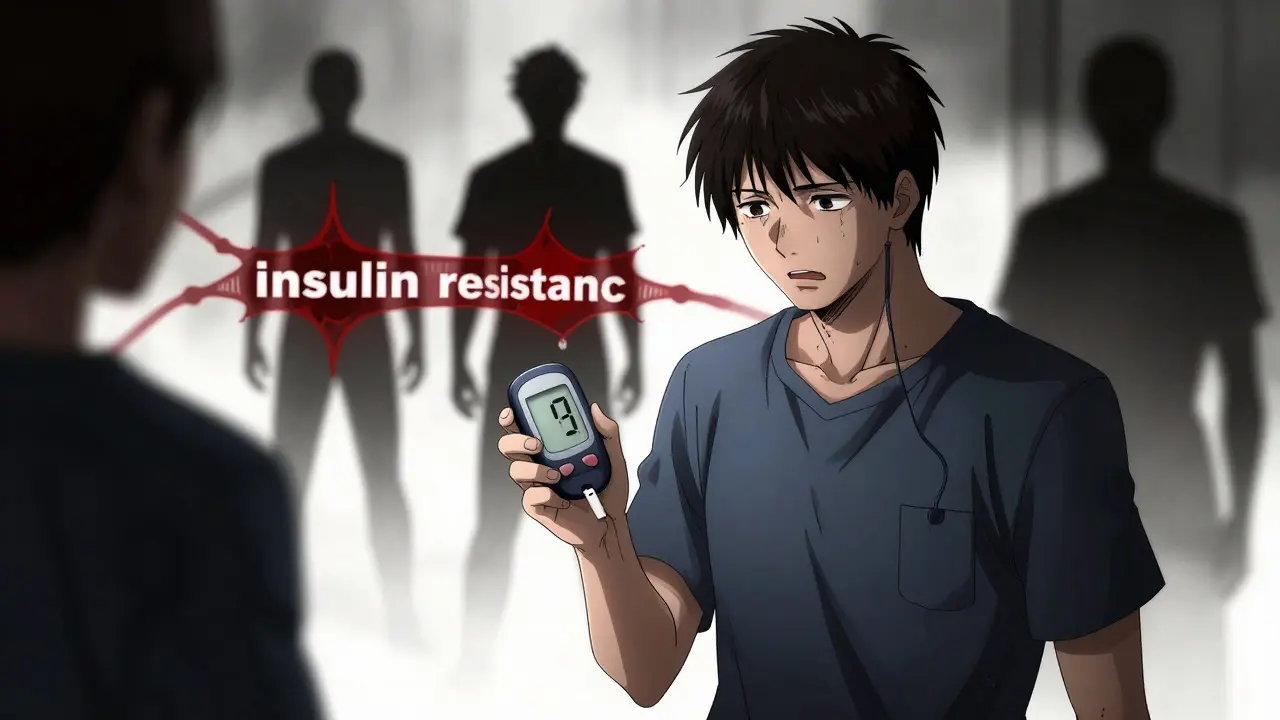
Starting a course of steroids can feel like a double-edged sword. You’re taking them because you need the anti-inflammatory power to treat an autoimmune flare, asthma, or another serious condition. But then your blood sugar spikes. This isn’t just a minor inconvenience; it’s a well-documented medical phenomenon known as Steroid-Induced Hyperglycemia, also referred to as Glucocorticoid-Induced Hyperglycemia. It is a condition where corticosteroid medications cause significant increases in blood glucose levels by inducing insulin resistance and increasing liver glucose production. If you have pre-existing diabetes, this can throw your carefully managed routine into chaos. If you don’t, it might reveal undiagnosed issues. The good news? With the right adjustments to your medication and monitoring strategy, you can stay safe and stable throughout your treatment.
Why Steroids Spike Your Blood Sugar
To manage the problem, you first need to understand the mechanism. Glucocorticoids (GCs) like prednisone, dexamethasone, and methylprednisolone don’t just reduce inflammation; they fundamentally change how your body handles energy. They trigger three main processes that drive glucose up:
- Insulin Resistance: Steroids make your muscle and fat cells less responsive to insulin. Even if your pancreas produces enough insulin, your cells ignore the signal to take in glucose.
- Hepatic Gluconeogenesis: Your liver starts manufacturing more glucose than usual, releasing it into your bloodstream regardless of whether you’ve eaten.
- Beta-Cell Suppression: High doses can temporarily impair your pancreas’s ability to secrete insulin efficiently.
This effect typically begins 4 to 8 hours after you take your steroid dose, peaks around 24 hours later, and lingers for 3 to 4 days after you stop. Understanding this timeline is crucial because it dictates when you need to monitor most closely and when you should adjust your meds.
The Role of Steroid Type and Timing
Not all steroids are created equal when it comes to blood sugar impact. The half-life of the specific glucocorticoid you are prescribed determines the duration and intensity of the hyperglycemic effect. Matching your diabetes medication to this profile is the key to success.
| Steroid Type | Half-Life | Hyperglycemic Profile | Recommended Insulin Match |
|---|---|---|---|
| Prednisone / Prednisolone | 18-36 hours | Moderate, prolonged elevation | NPH insulin (intermediate-acting) |
| Dexamethasone | 36-72 hours | High, very prolonged elevation | Long-acting analogues (Glargine/Detemir) |
| Methylprednisolone | 12-36 hours | Moderate, similar to prednisone | NPH or Long-acting analogues |
For example, if you are taking prednisone in the morning, its peak effect aligns with afternoon and evening blood sugars. Using NPH insulin, which has a similar duration of action, often provides better coverage than rapid-acting bolus alone. Conversely, dexamethasone stays in your system much longer, requiring basal insulin adjustments that last for days, even after you stop taking the pill.
Adjusting Medications for Pre-Existing Diabetes
If you already live with type 1 or type 2 diabetes, your baseline regimen will likely need significant modification. The Joint British Diabetes Societies (JBDS) guidelines suggest that patients with type 1 diabetes may need to increase their total daily insulin dose by 30% to 50%, while those with type 2 diabetes might see a 20% to 30% increase. Here is how to approach different medication classes:
Basal Insulin Adjustments
Basal insulin covers your background needs. During steroid therapy, you generally need more. A common strategy is to increase your evening basal dose by 10% to 20% initially, then titrate based on fasting glucose readings. If your fasting glucose exceeds 11.1 mmol/L (200 mg/dL) for two or three consecutive days, consider further increments. Some clinicians prefer transferring part of the evening basal dose to the morning to match the steroid’s onset.
Bolus and Correction Scales
Your mealtime insulin needs will also rise due to increased insulin resistance. You may find that your standard carb-to-insulin ratio no longer works. Many patients require a temporary increase in their correction factor (insulin sensitivity factor). For instance, if your usual correction dose is 1 unit per 2.2 mmol/L above target, you might need to adjust this to 1 unit per 1.1 mmol/L during high-dose steroid therapy. Always check with your care team before making these changes.
Oral Medications and Non-Insulin Injectables
For some patients with mild hyperglycemia (fasting glucose <11.1 mmol/L), non-insulin agents can help. Metformin, GLP-1 agonists, and DPP-4 inhibitors may be effective in outpatient settings. However, sulfonylureas carry a higher risk of hypoglycemia during the tapering phase because their long duration of action doesn’t match the rapidly dropping steroid levels. Use caution with these drugs.
Managing New-Onset Steroid-Induced Hyperglycemia
If you didn’t have diabetes before starting steroids, you might develop transient hyperglycemia. In many cases, insulin is still the safest and most effective tool to bring levels down quickly, especially in hospital settings. The general rule for initiating insulin in this scenario is to start with a low dose, such as 0.1 IU/kg of body weight, administered at the time of the steroid dose. From there, you titrate based on frequent glucose checks. Remember, once the steroids are tapered off, your insulin requirements will drop dramatically, so plan to wean off insulin gradually to avoid hypoglycemia.

The Critical Phase: Tapering Off Steroids
The most dangerous period for many patients isn’t when they start steroids-it’s when they stop. As the steroid dose decreases, your insulin resistance fades, but your diabetes medications remain high. This mismatch leads to severe hypoglycemia. Studies show that 30% to 40% of hypoglycemic events in this context are preventable errors caused by failing to reduce meds in tandem with the steroid taper.
To stay safe:
- Reduce Proactively: Don’t wait for a low blood sugar event. Start reducing your insulin doses as soon as your steroid dose drops significantly.
- Monitor Frequently: Check your blood glucose every 2 to 4 hours during the tapering phase, especially overnight.
- Use CGM if Possible: Continuous glucose monitoring (CGM) provides real-time alerts for downward trends, giving you a heads-up before you crash.
One patient shared their experience online: "On 40mg prednisone, I needed 50% more basal insulin. When tapering to 20mg, my endocrinologist didn’t reduce my insulin fast enough, and I had three hypos in two days." This highlights the importance of clear communication with your healthcare provider about your taper schedule.
Monitoring Strategies for Safety
Frequent monitoring is non-negotiable during steroid therapy. The JBDS guidelines recommend capillary blood glucose testing at least four times daily-before meals and at bedtime-for all patients on glucocorticoids. If you are on a pump or using CGM, ensure your alarms are set appropriately. Aim for a "time in range" of 3.9 to 10.0 mmol/L (70 to 180 mg/dL). Keep a log of your steroid doses alongside your glucose readings to identify patterns. This data helps your care team fine-tune your regimen for future courses.
How long does steroid-induced hyperglycemia last?
The hyperglycemic effect typically begins 4-8 hours after taking the steroid, peaks at 24 hours, and diminishes over 3-4 days after discontinuation. However, long-acting steroids like dexamethasone can cause elevated blood sugar for several days after the last dose.
Do I need to stop my diabetes medication when taking steroids?
No, usually you need to increase your medication, not stop it. Steroids increase blood sugar, so you typically require more insulin or oral agents to compensate. Stopping medication could lead to dangerously high glucose levels. Always consult your doctor before making changes.
What is the best insulin type for prednisone?
NPH insulin is often recommended for prednisone because its intermediate duration of action matches the 18-36 hour half-life of prednisone. This provides better coverage for the prolonged post-prandial glucose rise compared to short-acting insulin alone.
How do I prevent hypoglycemia during steroid tapering?
Prevent hypoglycemia by proactively reducing your insulin doses as your steroid dose decreases. Monitor your blood sugar frequently (every 2-4 hours) and use continuous glucose monitoring (CGM) if available. Have fast-acting carbohydrates on hand and educate family members on recognizing low blood sugar symptoms.
Can steroid-induced hyperglycemia become permanent diabetes?
In most cases, blood sugar levels return to baseline after stopping steroids. However, SIHG can unmask underlying type 2 diabetes or prediabetes. If your blood sugar remains elevated weeks after stopping steroids, you may have developed persistent diabetes and should follow up with your healthcare provider for further evaluation.