
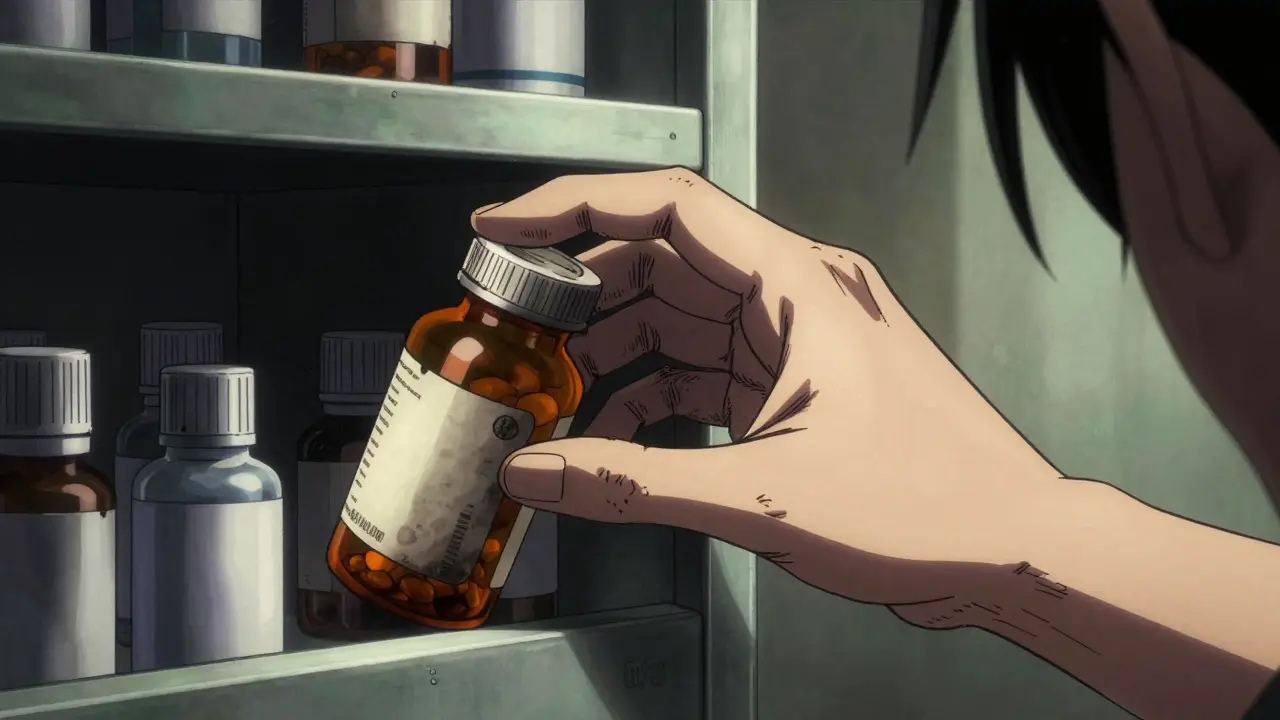
It happens to everyone. You’re rushing out the door or dealing with a sudden headache, and you reach for that bottle of painkillers in your cabinet. Then you see it: the date printed on the side has passed by a few months, maybe even a year. Your instinct is probably to toss it into the trash immediately. But before you do, consider this: that medication might still be perfectly effective.
The truth about drug expiration dates is far more complex than the simple "do not use after" warning suggests. While manufacturers set these dates as guarantees of full potency, extensive research shows that most solid medications remain safe and effective long after that date passes. However, there are critical exceptions where using an expired drug could be dangerous or useless. Understanding which medicines hold up over time and which degrade quickly can save you money and ensure you aren't taking ineffective medicine when you need it most.
The Science Behind Expiration Dates
To understand why your old pills might still work, we first need to look at where these dates come from. The U.S. Food and Drug Administration (FDA) mandated expiration dating in 1979 through the Drug Registration and Listing System. This regulation requires pharmaceutical manufacturers to determine how long their products retain their labeled potency under specific storage conditions.
Here is the catch: manufacturers are only required to test stability for a limited period, typically ranging from 12 to 60 months after production. They are not legally required to test what happens to the drug after that window closes. Consequently, the expiration date represents the last day the company guarantees 100% of the active ingredient remains in the pill. It does not necessarily mean the drug becomes toxic or instantly loses all effectiveness the very next day.
In reality, chemical degradation is a gradual process. Most drugs lose potency slowly over years, not overnight. The FDA allows a "reasonable variation" in drug strength, meaning a medication is considered acceptable if it contains between 90% and 110% of the stated active ingredient. As long as the drug stays above that 90% threshold, it is generally considered therapeutically equivalent to a fresh batch.
Landmark Studies Reveal Decades of Stability
If you think expiration dates are strict deadlines, the data says otherwise. A landmark study published in November 2012 in the Archives of Internal Medicine changed the conversation significantly. Researchers from the University of California-San Francisco School of Pharmacy, led by Lee Cantrell, PharmD, analyzed eight prescription drugs containing 15 different active ingredients. These weren’t just slightly expired; they were 28 to 40 years past their original expiration dates.
The results were striking. Twelve of the 14 medications tested retained full potency-at least 90% of their labeled content-for at least 336 months (28 years). Eight of them maintained that potency for the entire 480-month (40-year) testing period. Only aspirin and amphetamine consistently fell below the 90% threshold during this extended timeline.
This civilian research aligns closely with military findings. Since 1986, the Department of Defense has run the Shelf-Life Extension Program (SLEP). This program systematically tests federal drug stockpiles stored under ideal environmental conditions. Out of 122 different drugs tested, 88% had their expiration dates extended by more than one year. The average extension was 66 months, with some drugs remaining viable for over two decades longer than originally labeled. According to the 2012 study authors, every dollar spent on SLEP yielded between $13 and $94 in cost savings by avoiding premature disposal.
Which Medications Are Safe to Use Past Expiration?
Not all medications are created equal when it comes to longevity. The physical form of the drug plays a massive role in its stability. Solid dosage forms, such as tablets and capsules, are generally the most stable. They have low moisture content and are protected by coatings or shells that shield the active ingredients from air and light.
A 2006 study published in the Journal of Pharmaceutical Sciences examined 122 expired pharmaceutical products and found that two-thirds remained stable and safe for use. Common solid-form prescription drugs like codeine, hydrocodone, and many antidepressants often maintain their integrity for decades if stored correctly. If you have a sealed bottle of ibuprofen or acetaminophen that is a year or two past its date, it is highly likely to still provide relief.
However, context matters. The Harvard Health Publishing analysis noted that while many drugs remain effective nearly three years past expiration, individual variations exist. For non-critical conditions-like occasional allergies or minor headaches-using a slightly expired solid tablet is often low-risk. But for serious, life-threatening conditions, relying on aged medication is never recommended due to the uncertainty of exact potency levels.
Critical Exceptions: Drugs That Degrade Quickly
There are specific categories of medications where the expiration date is a hard limit. Using these drugs after they expire can be ineffective or even dangerous. You should always dispose of these items once the date passes.
- Nitroglycerin: Used for chest pain (angina), this drug is highly volatile. It degrades rapidly when exposed to air and light. An expired nitroglycerin tablet may fail to relieve chest pain during a cardiac event, which can be fatal.
- Insulin: Diabetes management requires precise dosing. Insulin loses potency over time, especially if exposed to temperature fluctuations. Using weak insulin can lead to dangerously high blood sugar levels.
- Liquid Antibiotics: Once reconstituted (mixed with water), liquid antibiotics become unstable. They begin to break down almost immediately. Even unopened liquid suspensions degrade faster than solid pills.
- Epinephrine Auto-Injectors: EpiPens contain epinephrine, which breaks down over time. A study by Simons found reduced bioavailability in auto-injectors used 1 to 90 months after expiration. In an anaphylactic reaction, a weakened dose could be life-threatening.
- Tetracycline: Older studies suggested this antibiotic could become toxic after expiration, potentially harming the kidneys. While newer formulations may be more stable, the risk outweighs the benefit, and it is best avoided.
The FDA maintains a cautious stance on these high-risk drugs, stating on its website that expired medical products can be risky due to changes in chemical composition. Dr. William Eggleston, medical director of the Central New York Poison Center, emphasized that while an allergy pill a month past its date might be fine, time-sensitive medications like nitroglycerin should never be used beyond their labeled dates.
The Impact of Storage Conditions
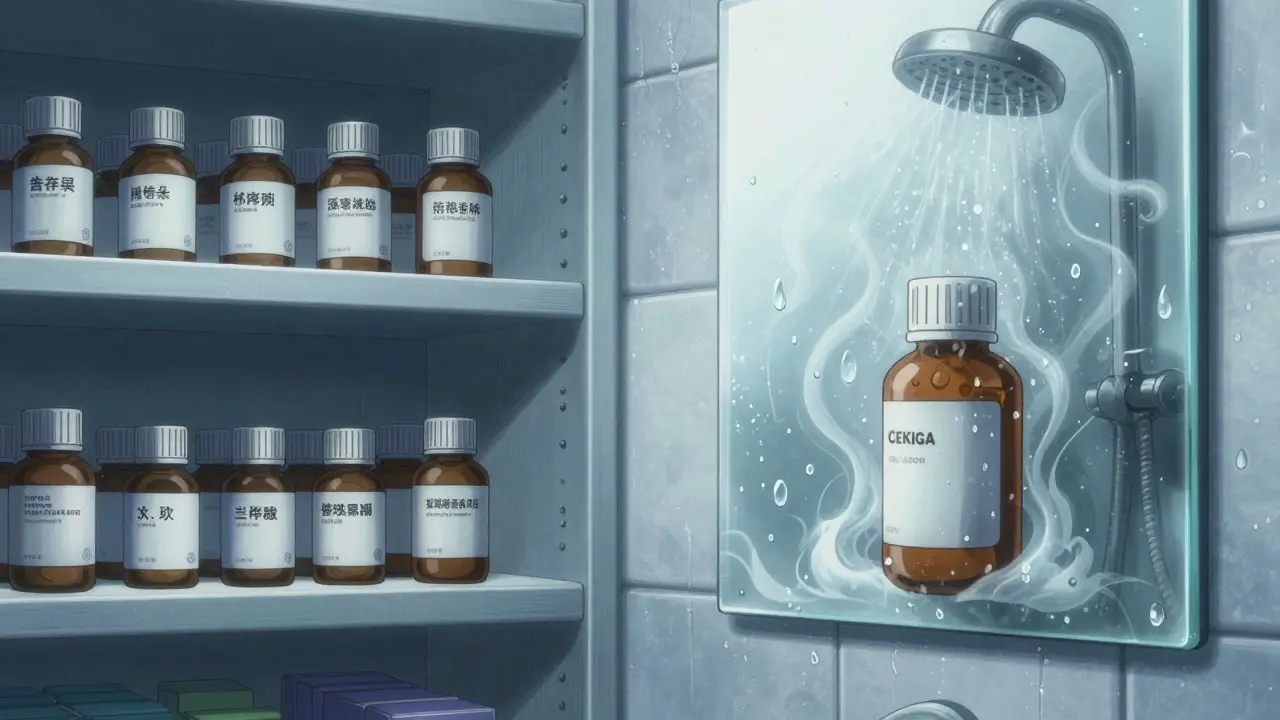
Even the most stable drug will degrade quickly if stored improperly. The "ideal conditions" referenced in scientific studies involve cool, dry environments away from direct sunlight and humidity. Your bathroom medicine cabinet is actually one of the worst places to store medication because of the heat and moisture generated by showers.
Harvard Medical School experts note that medications removed from their original containers and placed in generic pharmacy canisters experience accelerated degradation. Original packaging is designed to protect against moisture and oxygen transfer. When you transfer pills to a weekly organizer or a loose bag, you expose them to air, which speeds up chemical breakdown.
Temperature also plays a crucial role. Storing medications in a hot car or near a heater can cause them to melt or degrade within days. Conversely, freezing certain medications can alter their structure. Always follow the label instructions: if it says "room temperature," keep it in a closet or drawer in a climate-controlled part of your home.
| Medication Form | Typical Stability Post-Expiration | Risk Level | Storage Sensitivity |
|---|---|---|---|
| Solid Tablets/Capsules | High (Years to Decades) | Low (for non-critical use) | Moderate (avoid humidity) |
| Liquid Solutions | Low (Months) | High | High (degrade quickly) |
| Reconstituted Suspensions | Very Low (Days to Weeks) | High | Very High |
| Biologics (Insulin/EpiPen) | Variable (Strict Date Adherence) | Critical | Extreme (temperature sensitive) |
| Nitroglycerin | Very Low | Critical | Extreme (light/air sensitive) |
Economic Implications and Waste
The rigid adherence to expiration dates contributes significantly to pharmaceutical waste. Americans spend over $300 billion annually on prescription medications. When patients discard unused but still potent drugs simply because the date has passed, it creates unnecessary financial burden and environmental impact.
Pharmaceutical companies have little incentive to fund long-term stability studies that would extend expiration dates. Doing so would reduce the frequency with which consumers repurchase their products. As a result, the current system prioritizes liability protection for manufacturers over patient convenience and cost savings. The National Institutes of Health’s 2020 review confirmed that "expired drugs have not necessarily lost potency," highlighting the gap between regulatory caution and scientific reality.
For individuals, understanding this dynamic empowers better decision-making. If you have a sealed bottle of a stable, solid medication that is slightly expired, you can make an informed choice based on the type of drug and your health needs, rather than blindly following the label.
Practical Guidelines for Consumers
So, what should you do with that old medicine cabinet? Here is a practical approach:
- Check the Form: Is it a solid tablet or capsule? If yes, it likely retains potency for years. If it is a liquid, cream, or injection, assume it has degraded.
- Assess Criticality: Is this for a life-threatening condition (heart issues, diabetes, severe allergies)? If yes, buy new medication. Do not gamble with critical care. For minor ailments like headaches or seasonal allergies, slight age is less risky.
- Inspect the Physical State: Look for signs of degradation. Discoloration, crumbling, strange odors, or separation in liquids indicate the drug has spoiled. Discard immediately.
- Verify Storage History: Was it kept in a cool, dry place in its original container? If it was left in a hot car or a humid bathroom, discard it regardless of the date.
- Consult a Professional: When in doubt, ask your pharmacist. They can provide specific advice based on the drug’s chemical properties.
Remember, the goal is not to encourage hoarding old drugs, but to reduce waste and anxiety when you find a slightly expired pill. By distinguishing between stable solids and unstable biologics, you can manage your medication supply more effectively and safely.
Can I take expired painkillers like ibuprofen?
Generally, yes. Solid painkillers like ibuprofen and acetaminophen are among the most stable medications. Research shows they often retain over 90% of their potency for several years past the expiration date if stored in a cool, dry place. However, if the pills look discolored or smell unusual, discard them.
Is it safe to use an expired EpiPen?
No. Epinephrine degrades over time, reducing its effectiveness. In a life-threatening allergic reaction, a weakened dose may not stop the attack. Always replace EpiPens before their expiration date. If you are in an emergency and have no other option, use it, but seek immediate medical help afterward.
Why do expiration dates exist if drugs last longer?
Expiration dates are legal guarantees from manufacturers that the drug will retain full potency until that date. They are not scientific determinations of when a drug becomes unsafe. Manufacturers are not required to test beyond the labeled date, so the date serves as a liability boundary rather than a safety cliff.
Do expired antibiotics become toxic?
Most expired antibiotics simply lose potency, making them ineffective against infections. The exception is tetracycline, which older studies linked to kidney toxicity after expiration. Due to this risk and the danger of untreated infections, you should never use expired antibiotics.
How should I store medications to maximize their shelf life?
Store medications in their original containers in a cool, dry place away from direct sunlight. Avoid bathrooms and kitchens due to humidity and heat fluctuations. Keep them out of reach of children and pets. Proper storage can extend the viability of many solid drugs significantly.