
Statin & Grapefruit Interaction Checker
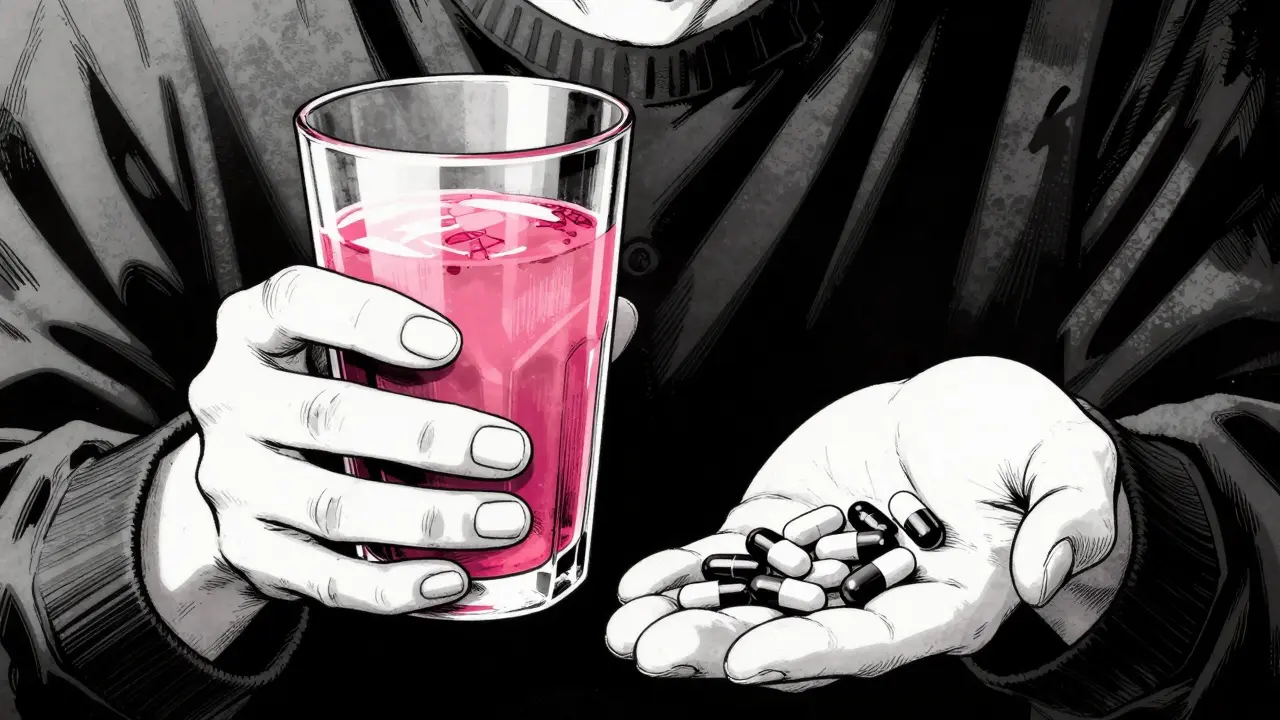
You might be sipping a fresh glass of grapefruit juice in the morning, thinking you're doing your heart some good. But if you take certain cholesterol medications, that breakfast habit could quietly turn into a health hazard. The combination of statins and grapefruit is not just a minor caution; for some people, it can dangerously spike drug levels in the blood, leading to severe muscle damage or even kidney failure.
This isn't scaremongering. It's pharmacology. The interaction between these two common substances was discovered by accident in the late 1980s and has since become one of the most well-documented food-drug interactions in medicine. Understanding why this happens-and which statins are affected-can help you manage your cholesterol safely without giving up your favorite fruit entirely.
The Science Behind the Interaction
To understand why grapefruit interferes with statins, we need to look at how your body processes drugs. When you swallow a pill, it doesn't go straight into your bloodstream. It first passes through your digestive system, where enzymes break down many medications before they ever reach your circulation. This process is called "first-pass metabolism."
The primary enzyme responsible for breaking down about half of all prescription drugs is called cytochrome P450 3A4 (CYP3A4). Think of CYP3A4 as a busy factory worker on an assembly line, chopping up drug molecules so your body can handle them. Without this enzyme, too much of the drug stays active in your system, essentially turning a standard dose into an overdose.
Grapefruit contains natural compounds called furanocoumarins. These compounds don't just block the CYP3A4 enzyme temporarily; they irreversibly shut it down. They bind to the enzyme's active site and disable it. Your body has to manufacture new enzymes to replace the broken ones, which takes time. This means the effect lasts for 24 to 72 hours after you eat the fruit. Simply taking your pill at a different time than you eat grapefruit does not solve the problem because the enzyme remains inhibited for days.
Which Statins Are Affected?
Not all statins work the same way, and not all of them rely on the CYP3A4 enzyme. This distinction is crucial for your safety. Statins fall into two main categories based on how they are metabolized:
- High-Risk Statins (Metabolized by CYP3A4): These drugs interact significantly with grapefruit. They include simvastatin (Zocor), lovastatin (Mevacor), and atorvastatin (Lipitor). Simvastatin shows the most dramatic increase in blood concentration when combined with grapefruit juice, sometimes rising by nearly four times the normal level.
- Low-Risk Statins (Minimal CYP3A4 Metabolism): These drugs use different pathways to break down and generally do not interact with grapefruit. They include pravastatin (Pravachol), rosuvastatin (Crestor), fluvastatin (Lescol), and pitavastatin (Livalo).
| Statin Name | Brand Example | CYP3A4 Dependency | Grapefruit Risk Level |
|---|---|---|---|
| Simvastatin | Zocor | High | Very High (Avoid) |
| Lovastatin | Mevacor | High | High (Avoid) |
| Atorvastatin | Lipitor | High | Moderate (Limit) |
| Rosuvastatin | Crestor | Low | Low (Safe) |
| Pravastatin | Pravachol | None | Low (Safe) |
If you are taking atorvastatin, the FDA suggests limiting consumption to no more than one small glass (approximately 200 mL) of grapefruit juice per day. For simvastatin and lovastatin, most experts recommend complete avoidance due to the unpredictable nature of the interaction.

The Danger: Muscle Damage and Rhabdomyolysis
Why does higher drug concentration matter? Statins work by blocking an enzyme in the liver that produces cholesterol. However, when too much statin circulates in your blood, it starts affecting other tissues, particularly your muscles.
The most common side effect is myalgia, or muscle pain. About 5-10% of statin users experience this anyway. But with grapefruit, the risk jumps significantly. You might notice unexplained soreness, weakness, or cramping in your legs, back, or arms.
In rare but serious cases, this leads to rhabdomyolysis. This is a condition where muscle tissue breaks down rapidly, releasing a protein called myoglobin into your bloodstream. Myoglobin is toxic to your kidneys. If it builds up, it can cause acute kidney injury or even permanent kidney failure. Symptoms of rhabdomyolysis include severe muscle pain, weakness, and urine that looks like tea or cola. If you experience these symptoms, seek medical attention immediately.
While rhabdomyolysis is rare (affecting roughly 0.1 to 0.5 people per 100,000 patient-years on statins alone), case studies show that combining high-risk statins with daily grapefruit consumption can trigger this reaction in otherwise healthy individuals. One documented case involved a woman who developed rhabdomyolysis after drinking grapefruit juice daily for just ten days while on simvastatin.
How Much Grapefruit Is Too Much?
It is easy to underestimate how much furanocoumarins you are consuming. The interaction isn't limited to fresh fruit. Grapefruit juice, dried grapefruit, and even supplements containing grapefruit extract contain the same inhibitory compounds.
There is no precise "safe" threshold for everyone because genetic differences affect how your body produces CYP3A4 enzymes. Some people are "poor metabolizers" and naturally have less of the enzyme, making them more sensitive to the interaction. Others are "extensive metabolizers" and might tolerate small amounts better.
However, general guidelines suggest:
- For Simvastatin/Lovastatin users: Avoid grapefruit products completely. The risk outweighs the benefit.
- For Atorvastatin users: Limit intake to occasional servings. Do not make it a daily habit. One small glass occasionally is likely safe for most, but daily consumption increases risk.
- For Rosuvastatin/Pravastatin users: You can enjoy grapefruit in moderation without worrying about this specific interaction.
Remember, the inhibition lasts for up to three days. So, eating grapefruit on Monday and taking your pill on Tuesday still carries risk.

What Should You Do?
If you love grapefruit and need to take a statin, you have options. Do not stop taking your medication abruptly. Stopping statins increases your risk of heart attack and stroke significantly. Instead, talk to your doctor or pharmacist.
Your healthcare provider might switch you to a non-interacting statin like rosuvastatin or pravastatin. These drugs are equally effective at lowering LDL cholesterol and reducing cardiovascular events but do not rely on the CYP3A4 pathway. This simple change allows you to keep your medication regimen and your dietary preferences intact.
If switching isn't an option, strict adherence to the dosage limits and avoiding grapefruit products is necessary. Always inform your pharmacist about any fruits or juices you consume regularly. They are trained to spot these interactions before they become problems.
Frequently Asked Questions
Does orange juice interact with statins?
No, orange juice does not contain furanocoumarins and does not inhibit the CYP3A4 enzyme. You can drink orange juice safely with any type of statin. Other citrus fruits like lemons, limes, and tangerines are also generally safe, though Seville oranges (used in marmalades) may contain similar compounds to grapefruit.
Can I separate the timing of my statin and grapefruit consumption?
No, separating the timing does not help. The furanocoumarins in grapefruit irreversibly bind to the CYP3A4 enzymes in your intestine. Your body needs 24 to 72 hours to regenerate these enzymes. Therefore, the interaction persists long after the grapefruit has left your system.
Is dried grapefruit safe to eat with statins?
Dried grapefruit often has a higher concentration of furanocoumarins than fresh fruit because the water content is removed. If you are on a high-risk statin like simvastatin or lovastatin, you should avoid dried grapefruit as well.
What are the symptoms of statin toxicity from grapefruit?
Early signs include unexplained muscle pain, tenderness, or weakness. More severe symptoms indicating rhabdomyolysis include dark, tea-colored urine, extreme fatigue, and nausea. If you experience these, contact your doctor immediately.
Are there other foods that interact with statins?
Yes, besides grapefruit, Seville oranges, pomelos, and starfruit can interact with statins due to similar chemical compounds. Additionally, large amounts of red yeast rice (which contains natural statins) can increase the risk of side effects when taken with prescription statins.