
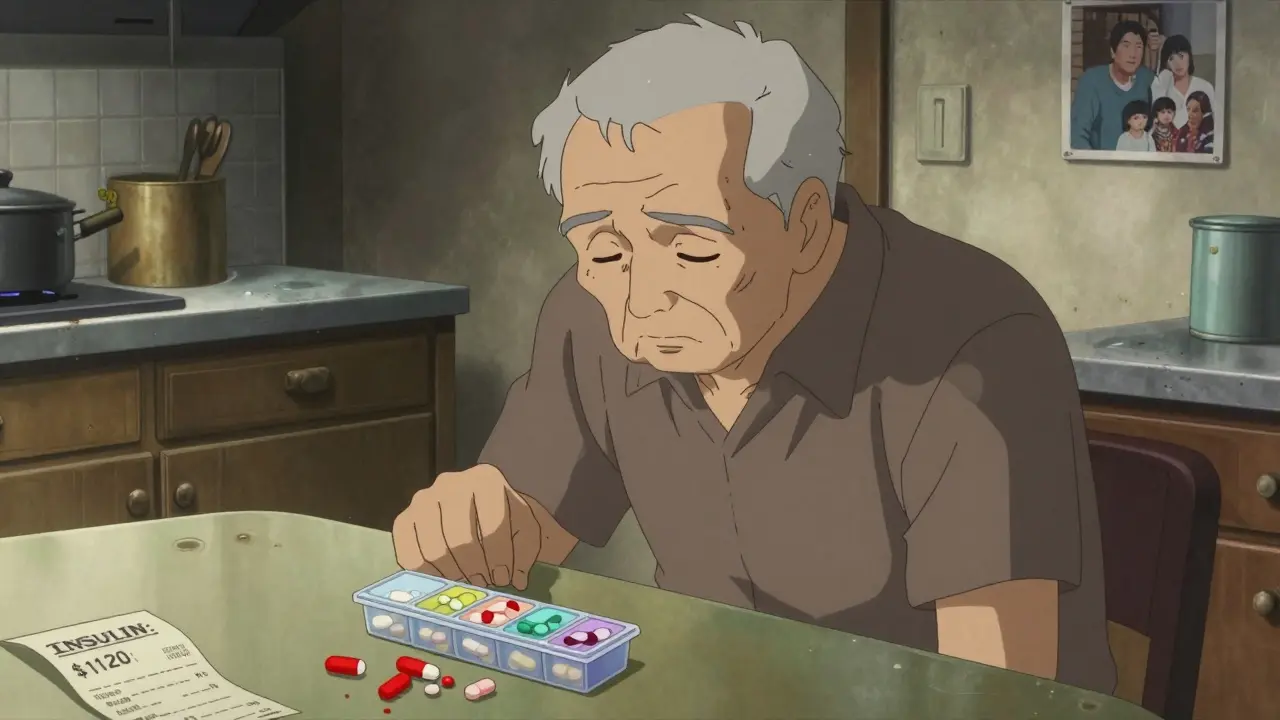
Every year, tens of thousands of people in the U.S. die because they didn’t take their medicine the way their doctor told them to. Not because they didn’t care. Not because they were lazy. But because they couldn’t afford it, forgot, got scared of side effects, or just didn’t understand why it mattered. This isn’t a rare mistake - it’s a silent epidemic. The World Health Organization says about half of all people taking medication for long-term conditions like high blood pressure, diabetes, or asthma don’t take it as prescribed. And the results? They’re deadly.
What Happens When You Skip Your Pills
| Condition | Consequence of Nonadherence | Estimated Impact |
|---|---|---|
| High Blood Pressure | Uncontrolled hypertension | 2x higher risk of stroke |
| Diabetes | Blood sugar spikes, nerve damage | 30% increase in emergency visits |
| Asthma/COPD | Frequent attacks, hospitalization | 50% of ER visits linked to nonadherence |
| Mental Illness | Relapse, self-harm, suicide | 59% of patients inconsistently take meds |
| Organ Transplant | Organ rejection | Up to 40% rejection rate without adherence |
If you’re on medication for a chronic illness, skipping doses doesn’t just mean you feel worse that day. It means your body never gets the steady level of medicine it needs to stay stable. For example, if you have high blood pressure and skip your pills every other day, your arteries are still under stress. Over time, that stress damages your heart, kidneys, and brain. A single missed dose might not cause a crisis - but missing 30% of doses over months? That’s when the damage becomes irreversible.
For people with mental health conditions like depression or schizophrenia, nonadherence is even more dangerous. Studies show nearly 6 in 10 patients don’t take their psychiatric meds consistently. That doesn’t mean they’re ‘not trying.’ Often, they stop because of side effects - weight gain, drowsiness, shaking - or because they feel fine and think they don’t need it anymore. But stopping abruptly can trigger relapse, hospitalization, or worse. The risk of death from nonadherence in mental illness is higher than from car accidents.
The Hidden Cost of Skipping Pills
The human cost is terrifying. But the financial cost? It’s even more shocking. In the U.S., nonadherence cost the healthcare system over $500 billion in 2016 alone. That’s more than the entire budget of the Department of Defense. And it’s not just hospitals paying. It’s you.
When people don’t take their meds, they end up in the ER. They get hospitalized. They miss work. They can’t care for their kids. One study found that 1 in 5 Medicare patients who get readmitted within 30 days of leaving the hospital did so because they didn’t take their medications. Half of those readmissions were preventable. Each hospital stay costs an average of $15,000. Multiply that by hundreds of thousands of cases every year, and you’re looking at billions in avoidable spending.
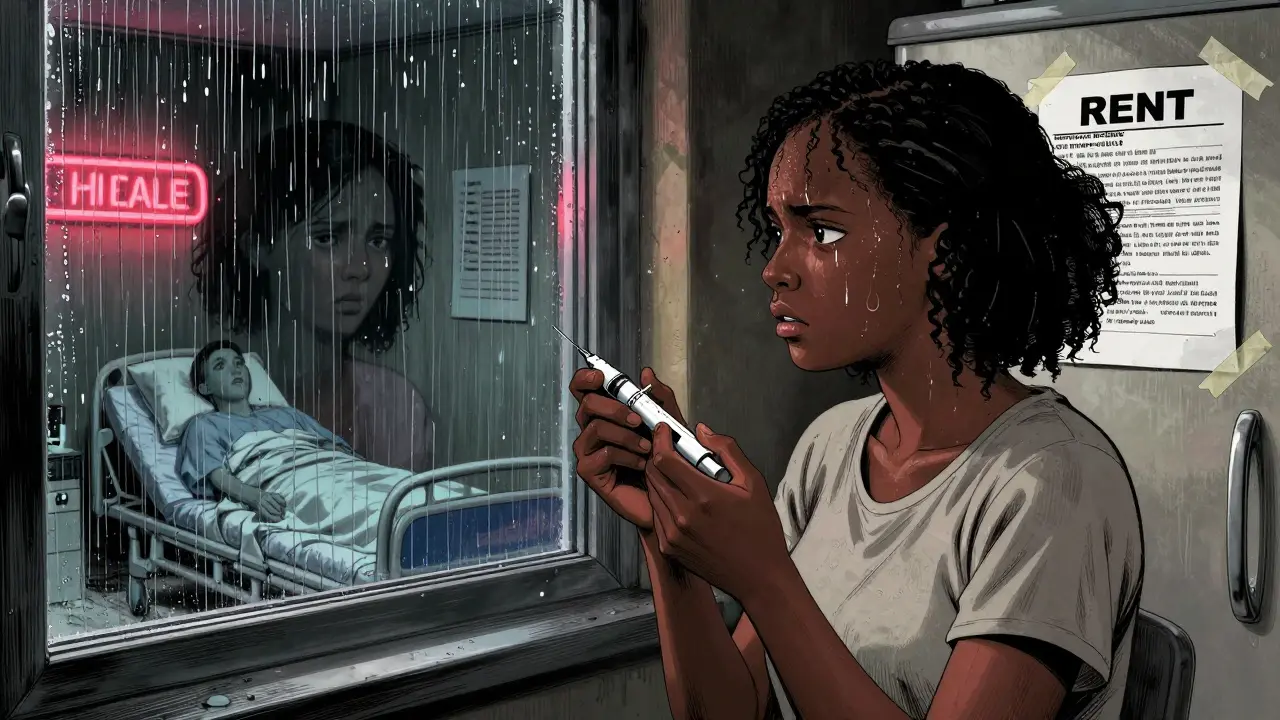
And then there’s the out-of-pocket burden. In 2021, Americans spent $63 billion on prescription drugs themselves. Nearly 1 in 12 working-age adults said they skipped doses because they couldn’t afford them. That’s not laziness - that’s a system that forces people to choose between medicine and groceries. A person with diabetes might ration insulin. A senior on fixed income might skip their heart pills to pay for rent. The result? A preventable heart attack. A stroke. A death.
Why People Stop Taking Their Medicine
It’s never just one reason. It’s a mix.
- Cost: The most common reason. One in five Americans under 65 say they’ve skipped a dose because of price.
- Side effects: If your meds make you feel worse, you’ll stop. Especially if no one told you how long the side effects might last.
- Complex regimens: Taking 6 pills at 3 different times a day? It’s easy to forget. Or mix them up.
- Lack of understanding: Many patients don’t know why their medicine matters. They think, “I feel fine,” so they stop. But chronic diseases don’t always cause symptoms - until they do.
- Access issues: No pharmacy nearby. No transportation. No insurance. These aren’t excuses - they’re barriers built into the system.
- Distrust: Especially among Black, Latino, and Indigenous communities, historical mistreatment in medicine has led to deep skepticism. That’s not irrational. It’s rooted in real trauma.
And here’s the cruel twist: adherence drops the longer you’re on a medication. The first month? You’re careful. The sixth month? You’re tired. The second year? You’ve forgotten why you started.
Who Gets Hit the Hardest
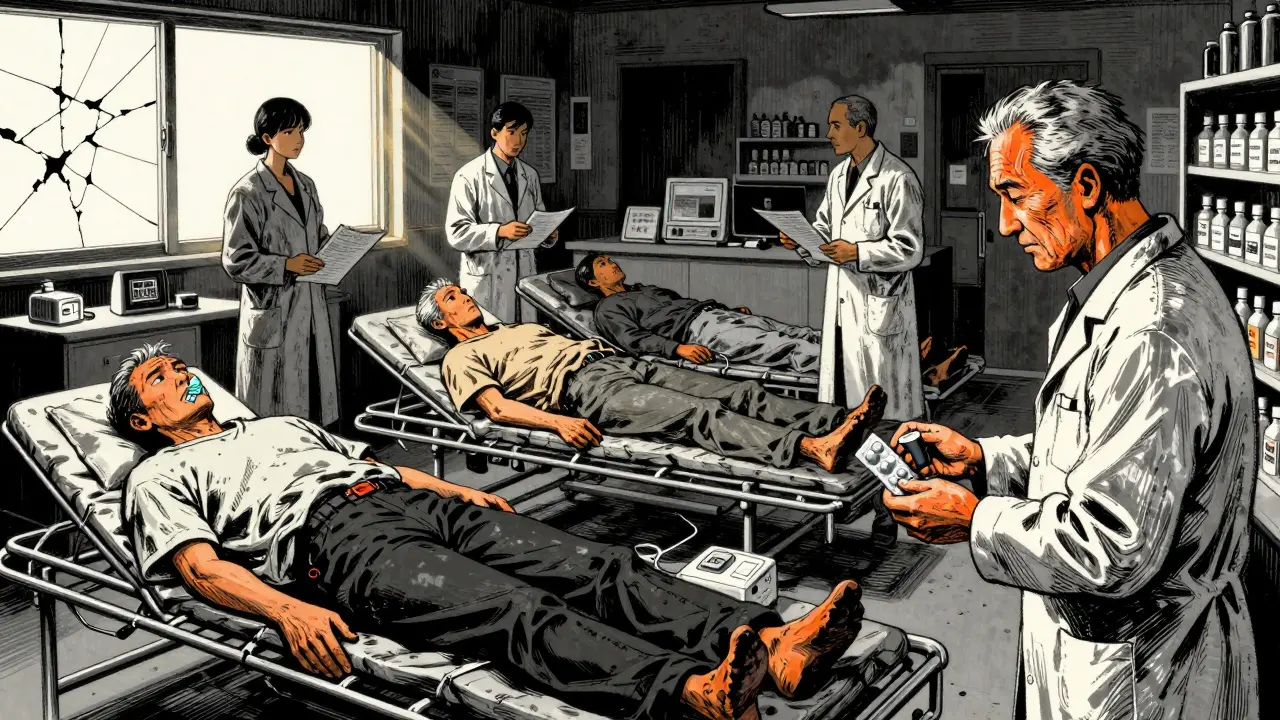
This isn’t an equal-opportunity problem. Older adults are at the highest risk. The CDC estimates over 100,000 deaths each year in people over 65 are linked to skipping meds. Many take 5, 6, even 10 different pills. They forget which is which. They can’t open the bottles. Their vision fades. Their memory slips. And their doctors don’t always check in.
Minority communities suffer even more. Black and Latino patients are 2 to 3 times more likely to miss doses than white patients - not because they’re less responsible, but because they’re more likely to face:
- Pharmacies that are closed or too far away
- Doctors who don’t explain treatment clearly
- Prescription costs they can’t cover
- History of being ignored or mistreated in medical settings
These aren’t personal failures. They’re systemic failures. And they cost lives.
What Actually Works to Fix This
There are solutions. And they’re not complicated.
- Pharmacist counseling: When pharmacists sit down with patients and explain their meds, adherence improves by 15-20%. That’s huge.
- Text reminders: Simple text messages saying “Take your blood pressure pill today” boost adherence by up to 18%.
- Blister packs: Weekly pill organizers with clear labels cut confusion. Especially helpful for seniors.
- Cost assistance: Programs that cap insulin at $35 a month or offer free generics save lives.
- Team-based care: When your doctor, pharmacist, and nurse all talk to each other - and to you - you’re more likely to stick with treatment.
One study found that for every $1 spent on medication therapy management programs - where pharmacists help patients manage their drugs - hospitals saved $3 to $10 in avoided ER visits and hospitalizations. That’s not charity. That’s smart economics.
But here’s the problem: Most of these services aren’t covered by insurance. Pharmacists can’t get paid to talk to you. Nurses can’t get reimbursed for checking in. So even though we know what works, it rarely happens.
What You Can Do Right Now
If you’re taking medication:
- Ask your doctor: “What happens if I miss a dose?” Don’t assume. Get it in writing.
- Ask your pharmacist: “Can you put this in a weekly pill box?” They’ll do it for free.
- Set a daily phone alarm. Label your pill bottles with sticky notes.
- If you can’t afford your meds, say so. There are patient assistance programs. Always ask.
- Don’t stop because you feel better. Chronic illness doesn’t vanish just because symptoms fade.
If you care for someone who takes meds - a parent, a partner, a friend - check in. Ask if they’re having trouble. Offer to help organize pills. Drive them to the pharmacy. Talk to their doctor. You might save their life.
It’s Not About Willpower
People don’t skip their meds because they’re careless. They skip them because the system is broken. Cost. Complexity. Confusion. Lack of support. And yet, we blame them. We say, “Why didn’t they just take it?” But if you had to choose between your insulin and your child’s lunch, what would you do?
Medication adherence isn’t a personal failing. It’s a public health crisis. And fixing it means changing how we treat people - not just how we treat their disease.
Alec Stewart Stewart
February 3, 2026 AT 17:39Caleb Sutton
February 4, 2026 AT 18:01pradnya paramita
February 5, 2026 AT 05:58Katherine Urbahn
February 6, 2026 AT 17:28Jhoantan Moreira
February 7, 2026 AT 05:44Joseph Cooksey
February 8, 2026 AT 07:48Justin Fauth
February 10, 2026 AT 03:30Meenal Khurana
February 10, 2026 AT 04:30Joy Johnston
February 11, 2026 AT 12:45Lorena Druetta
February 13, 2026 AT 10:19