
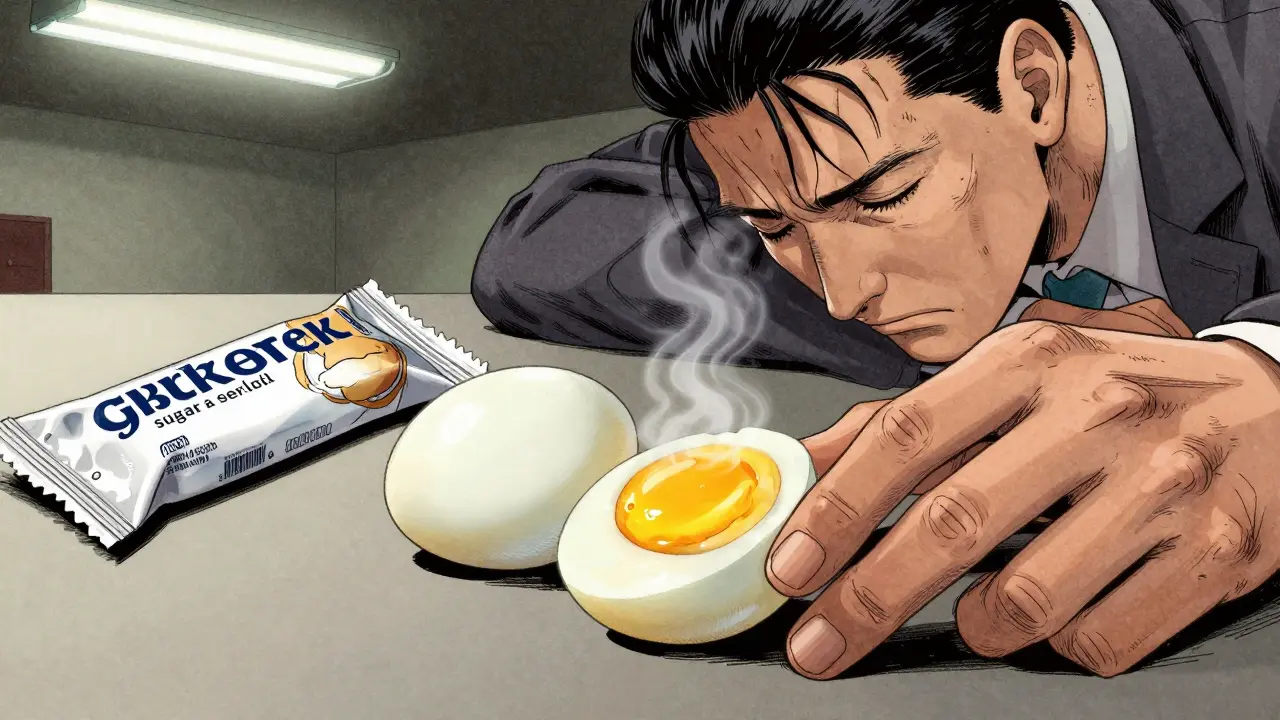
Want to stop mid-afternoon cravings without blowing your calorie budget? The answer isn’t skipping snacks-it’s choosing smarter ones. High-protein, low-calorie snacks aren’t just for bodybuilders or fitness fanatics. They’re a simple, science-backed way to keep hunger at bay, protect your muscle, and stay on track with weight management. And you don’t need fancy gear or hours of prep to make them work.
Why Protein Snacks Work Better Than Anything Else
Not all snacks are created equal. A bag of pretzels might satisfy a crunch craving, but it won’t keep you full. Protein does. When you eat protein, your body releases hormones like PYY and GLP-1 that signal fullness to your brain. Studies show this effect is 15-25% stronger than with carbs or fats. That means you’re less likely to snack again an hour later.
Plus, protein takes more energy to digest. About 20-30% of the calories from protein go toward breaking it down-compared to just 5-10% for carbs. That’s called the thermic effect of food. So even if two snacks have the same number of calories, the protein-rich one burns more of them just by being digested.
And here’s the kicker: eating 20-40g of protein per snack helps your muscles stay strong, especially if you’re losing weight. When you cut calories, your body can start breaking down muscle for energy. Protein snacks prevent that. Research from the Journal of the International Society of Sports Nutrition shows spreading protein across 3-4 meals and snacks keeps muscle protein synthesis steady all day.
What Counts as a Good High-Protein, Low-Calorie Snack?
Not every bar labeled “high-protein” is actually good for you. The sweet spot? Around 10-25g of protein, under 200 calories, and less than 5g of added sugar. Fiber helps too-aim for at least 3g. Here’s what actually works, backed by real data and user feedback.
- Hard-boiled eggs: One large egg has 6g protein and 78 calories. Easy to prep ahead, portable, and ranked #1 in MyFitnessPal logs for high-protein snacks. Two eggs = 12g protein, still under 160 calories.
- Non-fat Greek yogurt: A 100g serving (about 1/3 cup) gives you 10g protein and just 59 calories. Choose unsweetened. Add a handful of blueberries for fiber and antioxidants-adds 40 calories, no sugar spike.
- Cottage cheese: 1/2 cup of low-fat cottage cheese = 14g protein, 90 calories. Mix in cherry tomatoes or pineapple for flavor. Reddit users call this the “most satisfying snack under 150 calories.”
- Roasted chickpeas: A half-cup has 7g protein, 6g fiber, and 135 calories. Crunchy, savory, and way better than chips. You can buy them pre-roasted or make your own in 20 minutes.
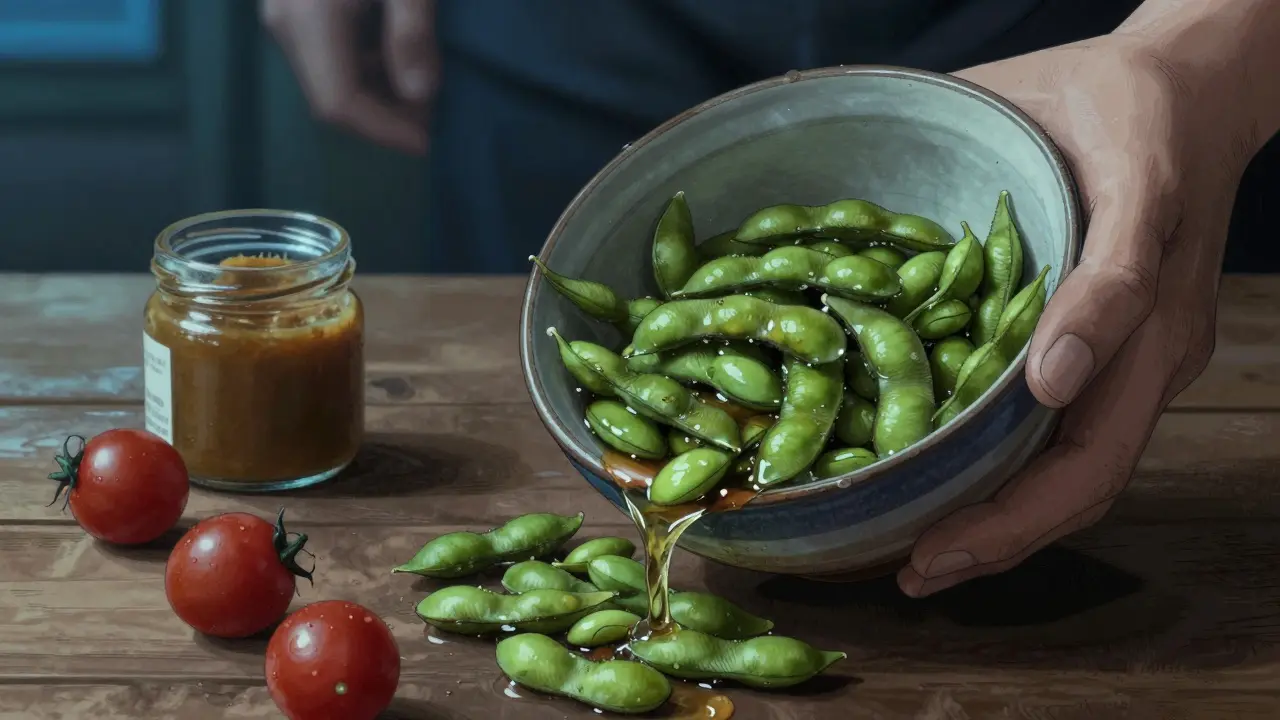
- Edamame: One cup (shelled) = 17g protein, 8g fiber, 189 calories. Lightly salted, steamed, and chilled-it’s a snack and a meal in one. Bonus: it’s plant-based and packed with nutrients.
- Hard cheese sticks: One stick (28g) = 7g protein, 80 calories. Look for mozzarella or cheddar with no added preservatives. Great for quick grab-and-go.
- Protein balls (homemade): Mix 1/4 cup oats, 2 tbsp protein powder, 1 tbsp flaxseed, 1 tsp cinnamon, and 1 tbsp almond butter. Roll into 3 balls. Each ball = ~178 calories, 10g protein. No sugar alcohols, no weird ingredients.
- Miso & sesame eggs: Boil eggs, peel, then toss in a mix of miso paste, sesame oil, and a splash of soy sauce. Chill. One egg with this topping = 8g protein, 95 calories. BBC Good Food users say it keeps hunger away for over 3 hours.
These options beat most store-bought protein bars. Take RXBARs-they have 12g protein but 13g sugar (all from dates). Quest bars have sugar alcohols that give some people stomach upset. Homemade or whole-food snacks avoid these trade-offs.
Plant-Based vs. Animal-Based: What’s Better?
Animal proteins like eggs, dairy, and chicken are “complete”-they contain all nine essential amino acids your body can’t make. That means they’re more efficient for muscle repair. Plant proteins like beans, tofu, and lentils are often incomplete, but you can fix that by pairing them.
For example:
- Tofu (9g protein, 70 calories per 3oz) + brown rice = complete protein
- Chickpeas (7g protein) + whole wheat pita = complete protein
- Edamame (17g protein) = complete on its own
Plant-based snacks win on fiber and lower environmental impact. A 2023 FAO report found plant proteins generate 73% fewer greenhouse gases than animal-based ones. But animal proteins give you more protein per calorie. Chicken breast gives you 26g protein for 140 calories. Tofu gives you 9g for 70 calories. So if you’re counting every calorie, animal sources are more efficient.
Best approach? Mix both. Use eggs and cottage cheese for quick, dense protein. Use chickpeas and edamame for fiber and variety.
How to Make This Work in Real Life
You don’t need to be a meal-prep guru. Here’s how real people do it:
- Prep eggs on Sunday. Boil a dozen. Peel and store in the fridge with salt and pepper packets. Grab two anytime.
- Portion cottage cheese into small containers. Keep berries or chopped fruit ready to mix in.
- Buy pre-roasted chickpeas. No cooking needed. Keep a bag in your desk drawer.
- Use single-serve Greek yogurt cups. Look for ones with no added sugar-brands like Fage or Siggi’s are reliable.
- Make a quick protein pot. Layer Greek yogurt, chia seeds, and berries in a mason jar. Takes 5 minutes. Lasts 3 days.
People who succeed with this don’t overcomplicate it. They focus on consistency, not perfection. Even one high-protein snack a day makes a difference in reducing cravings and stabilizing energy.
What to Avoid
Not all “healthy” snacks are actually good for weight loss.
- Protein bars with sugar alcohols (like erythritol or maltitol): These can cause bloating, gas, or diarrhea in 23% of users, according to Amazon reviews.
- Jerky with high sodium: One ounce can have 500-700mg sodium-that’s 25% of your daily limit. Look for low-sodium versions or make your own.
- Protein bagels or muffins: They sound healthy, but many are loaded with refined flour and sugar. One user on Allrecipes said 42% of homemade versions turned out gummy or dry.
- Flavored yogurts: Even “low-fat” versions often have 15-20g of added sugar. Always check the label.
Stick to whole foods whenever possible. If you buy packaged, read the ingredient list. If you can’t pronounce it, skip it.

When and How Often to Snack
There’s no magic number. But timing matters. Eating 15-20g of protein within 45 minutes of waking up helps stop muscle breakdown after fasting overnight. That’s a tip from the International Protein Board.
Most people benefit from one or two protein snacks a day-especially between meals when hunger spikes. If you’re active, aim for 20-25g after a workout. If you’re sedentary, 10-15g is enough.
Dr. Christopher Gardner from Stanford warns against going over 40g per snack. Your body can’t use more than that at once for muscle repair. Extra protein just gets stored as fat or burned off.
Try this: If you eat breakfast at 8am, lunch at 1pm, and dinner at 7pm, snack at 10:30am and 4:30pm. That’s two protein snacks spaced evenly. Simple. Effective.
What’s New in 2026
The market is evolving. New snacks are popping up with allulose-a sweetener that doesn’t spike blood sugar. Quest Nutrition now has bars with 20g protein, 1g sugar, and 140 calories. That’s a game-changer for people with insulin resistance.
Also, research from the University of Illinois shows combining protein with berries (like strawberries or blueberries) boosts muscle synthesis by 18% compared to protein alone. The polyphenols in berries help your body use the protein better.
And while plant-based snacks are growing fast (pea protein up 22% yearly), animal-based options still dominate because they’re more efficient. But that’s changing as people care more about sustainability.
Final Thought: It’s Not About Perfection
You don’t need to eat perfect snacks every day. You just need to make better choices than the cookies, chips, or candy bars you reach for when you’re tired or stressed.
Start with one snack a day. Pick the easiest one-hard-boiled eggs or Greek yogurt. Do that for a week. Then add another. Within a month, you’ll notice you’re not reaching for snacks as often. Your energy stays steadier. Your cravings fade.
That’s the real win. Not the number on the scale. It’s feeling in control of your hunger-not the other way around.
Can I eat protein snacks if I’m not trying to lose weight?
Absolutely. Protein snacks help maintain muscle mass, stabilize blood sugar, and improve energy levels-whether you’re losing weight, gaining muscle, or just staying healthy. They’re especially helpful for older adults, athletes, and people with busy schedules.
Are protein shakes good as snacks?
They can be, but they’re not always the best choice. Many protein shakes are high in sugar or artificial ingredients. If you use one, choose a plain whey or plant-based powder with no added sugar. Mix it with water or unsweetened almond milk. A shake with 20g protein and under 150 calories works fine as a snack-but whole foods like eggs or yogurt are usually more satisfying.
How do I know if a snack has too much sugar?
Check the nutrition label for “added sugars.” Aim for less than 5g per snack. Natural sugars from fruit (like in yogurt or berries) are fine. But if sugar is listed as one of the first three ingredients, skip it. Watch out for hidden names like cane juice, agave, or maltodextrin.
Can I eat these snacks if I’m vegetarian or vegan?
Yes. Edamame, roasted chickpeas, tofu cubes, tempeh strips, and plant-based protein balls all work. Pair legumes with whole grains (like rice or pita) to get all essential amino acids. Look for fortified plant yogurts with at least 10g protein per serving.
Why do I feel bloated after eating protein bars?
Many protein bars use sugar alcohols like erythritol or maltitol to keep sugar low. These can cause gas, bloating, or diarrhea in sensitive people. If this happens, switch to whole-food snacks or bars made with dates and nuts instead of sugar alcohols. RXBARs are a better option for digestion, even though they have more sugar.
How long do these snacks keep me full?
It varies. A snack with protein and fiber (like edamame or cottage cheese with berries) can keep you full for 3-4 hours. A plain protein bar might only last 2 hours. Texture matters too-chewy or crunchy snacks tend to feel more satisfying than soft ones.
Do I need to count calories to make this work?
Not if you’re eating whole foods. Just focus on protein content and avoid sugary, processed snacks. If you’re trying to lose weight, tracking for a week can help you see patterns. But long-term, learning to choose satisfying, nutrient-dense snacks is more sustainable than counting every calorie.
What’s the best snack for nighttime cravings?
A small bowl of cottage cheese with a few raspberries or a hard-boiled egg. Both are low in carbs and high in protein, which helps prevent blood sugar dips that trigger late-night hunger. Avoid sweet snacks before bed-they can disrupt sleep.
Johanna Baxter
January 10, 2026 AT 13:08Also, why are people still buying those gross protein bars? I threw mine out after reading this. So. Much. Better.
Phil Kemling
January 11, 2026 AT 18:14Diana Stoyanova
January 12, 2026 AT 14:14Also, hard-boiled eggs on the counter? Genius. I boiled 12 and now I’m basically a snack goddess. No more 3pm chocolate meltdown. My mood is stable, my skin is better, and I actually remember what I ate yesterday. Thank you for this. 🙏✨
Jenci Spradlin
January 14, 2026 AT 13:29Elisha Muwanga
January 16, 2026 AT 13:23Maggie Noe
January 17, 2026 AT 17:28Gregory Clayton
January 17, 2026 AT 23:59Catherine Scutt
January 18, 2026 AT 19:42Darren McGuff
January 19, 2026 AT 21:51Aron Veldhuizen
January 20, 2026 AT 18:39Jeffrey Hu
January 20, 2026 AT 23:24