
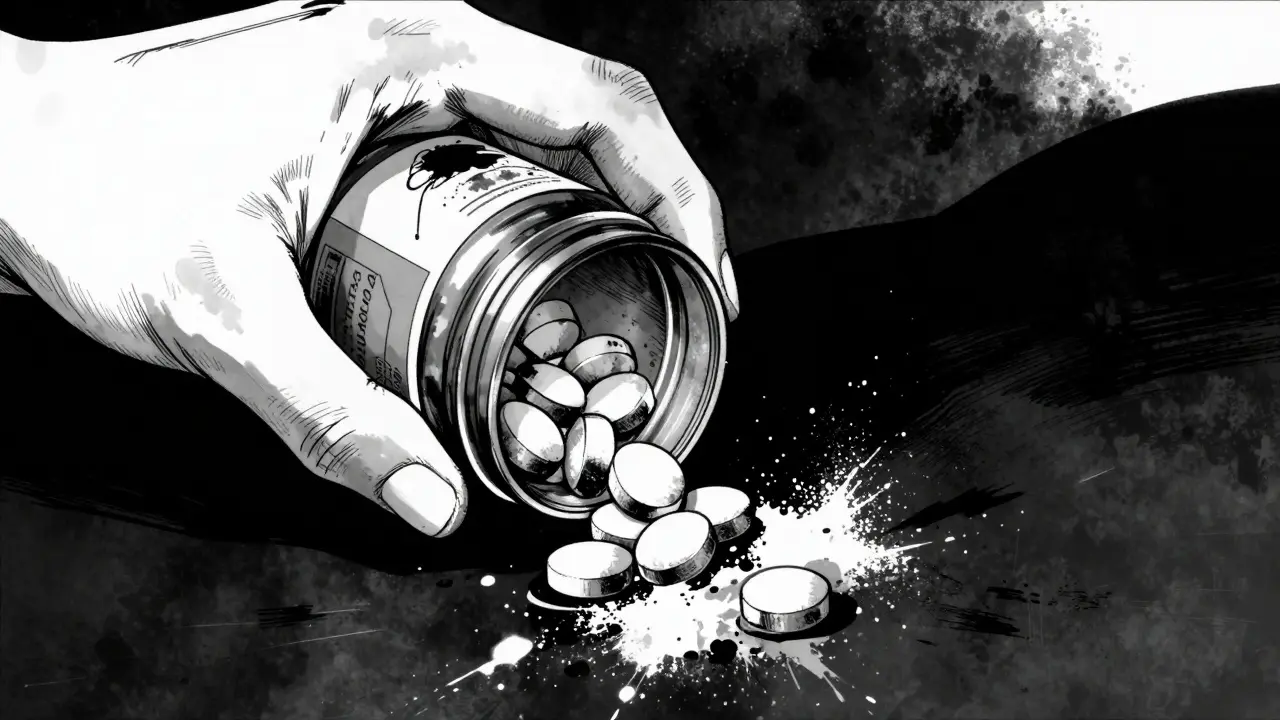
Have you ever opened a bottle of pills only to find them stuck together, crumbling into dust, or smelling slightly off? That’s not just bad luck-it’s moisture damage. Water vapor is one of the biggest enemies of pharmaceutical stability. It triggers chemical reactions like hydrolysis and oxidation that break down active ingredients, turning your medicine into something less effective or even harmful. For example, aspirin exposed to humidity breaks down into acetic acid (vinegar) and salicylic acid, which can irritate your stomach. With 67% of US medication shortages in 2012 linked to quality issues, understanding how to keep your meds dry isn’t just good practice; it’s critical for your health.
Moisture doesn’t just sneak in through open bottles. It affects pills from the factory floor to your bathroom cabinet. Manufacturers use advanced technologies like Polyvinyl alcohol (PVA) film coatings are protective layers applied to tablets that act as physical barriers against water vapor. These coatings are significantly more effective than traditional materials. Studies show PVA-based systems offer about three times better moisture protection than older hydroxypropyl methylcellulose (HPMC) alternatives. But what happens after the pill leaves the factory? That’s where proper storage and handling come in. This guide will walk you through everything you need to know to keep your medications stable, safe, and effective.
The Science Behind Moisture Damage
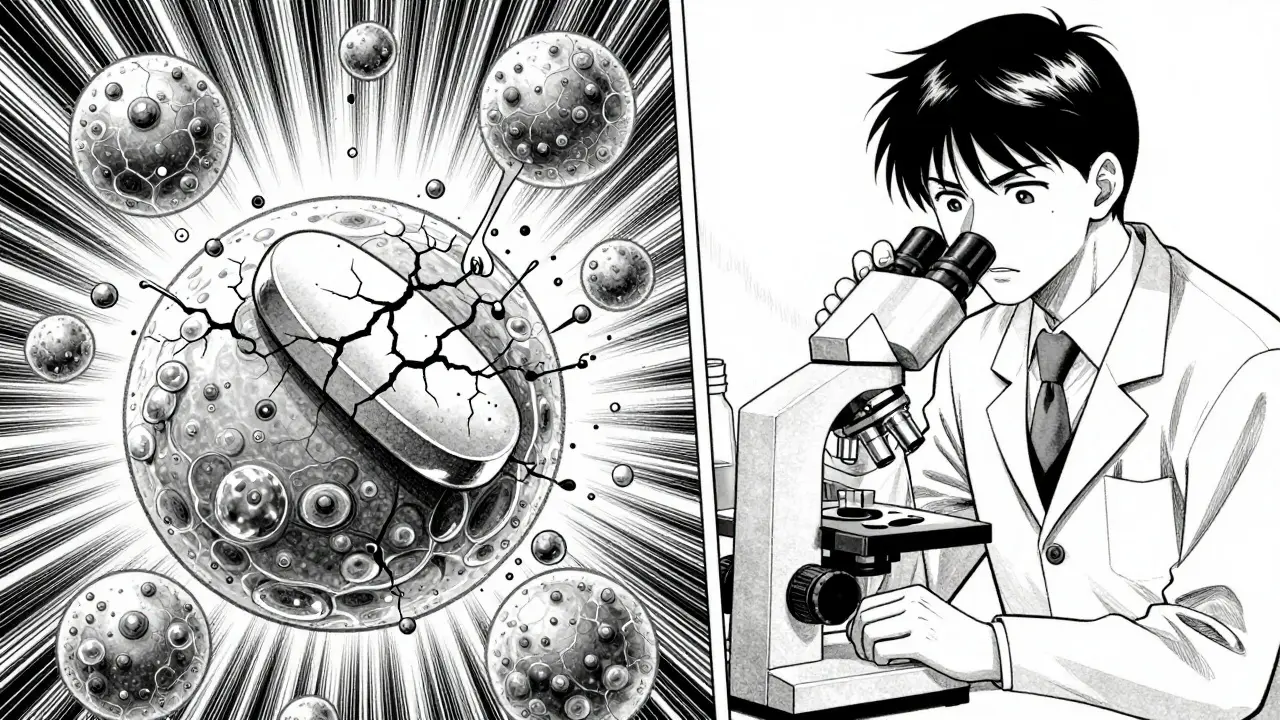
To prevent damage, you first need to understand what causes it. Moisture interacts with Active Pharmaceutical Ingredients (APIs) are the biologically active components of a drug that produce the intended therapeutic effect. When APIs absorb water, they undergo hydrolysis-a chemical breakdown where water molecules split the drug’s structure. Oxidation also accelerates in humid conditions, especially for sensitive compounds like Vitamin C. The result? Reduced potency, changed texture, and potentially toxic byproducts.
Not all pills are equally vulnerable. Highly hygroscopic ingredients-those that naturally attract and hold water-are at highest risk. Extracts, certain antibiotics, and vitamins fall into this category. If you live in a humid climate or store meds in bathrooms, the risk multiplies. Research indicates that 78% of pharmacists consider moisture damage a significant issue affecting patient adherence. Ignoring it means risking treatment failure.
| Medication Type | Primary Risk | Visible Signs of Damage |
|---|---|---|
| Aspirin | Hydrolysis into vinegar/salicylic acid | Vinegar smell, crumbly texture |
| Antibiotics (e.g., Amoxicillin) | Loss of efficacy due to API degradation | Discoloration, sticking together |
| Vitamin C | Oxidation accelerated by moisture | Browning, loss of potency |
| Sublingual Tablets | Rapid dissolution before use | Softening, melting |
Manufacturer-Level Protection Strategies
You might wonder why some pills seem tougher than others. The answer lies in manufacturing choices. One of the most effective defenses is film coating. Modern Film Coating Technologies are industrial processes that apply thin polymer layers to solid dosage forms to enhance stability and appearance. Specifically, PVA-based coatings like Opadry® amb II have revolutionized this space. Unlike older HPMC coatings, PVA creates a dense, impermeable barrier that drastically reduces water vapor transmission rates (WVTR).
In testing, uncoated amoxicillin/clavulanic acid tablets lost all their clavulanic acid within 10 days outside packaging when exposed to humidity. PVA-coated versions maintained acceptable levels throughout. This shows that the right coating can be more critical than the final packaging box. However, coatings aren’t magic bullets. They protect during transit and initial storage but wear down once you start opening the bottle daily.
Another key strategy is the use of desiccants inside containers. Silica gel remains the industry standard because it’s highly efficient at adsorbing moisture without reacting with drugs. Properly sized silica gel packs can limit moisture increases to just 0.3 percentage points over two years under normal conditions. This secondary line of defense catches the humidity that slips past the primary packaging.
Storage Best Practices for Consumers
Even the best-protected pills can fail if stored incorrectly. Most people make simple mistakes that compromise their medication’s integrity. Here’s how to do it right:
- Avoid Bathrooms: Showers create steam spikes that rapidly increase humidity. Keep meds in bedrooms or closets instead.
- Use Original Containers: Blister packs and HDPE bottles are designed with specific barrier properties. Transferring pills to weekly organizers exposes them to air every time you open a compartment.
- Keep Lids Tight: Every time you open a 500-pill bottle, you replace the headspace air. Over time, this introduces hundreds of moisture cycles. Snap lids shut immediately after use.
- Add Desiccants: If your bottle lacks a desiccant packet, consider adding a small silica gel pack (food-grade) to absorb ambient moisture.
- Control Temperature: Store between 68°F-77°F (20°C-25°C). Extreme heat combined with humidity accelerates degradation.
If you must transfer pills to a travel case, choose one with airtight seals. Avoid plastic bags unless they’re specifically labeled as moisture-barrier bags. Regular zip-lock bags let vapor pass through slowly.
Recognizing Early Signs of Degradation
Catching moisture damage early prevents ineffective dosing. Watch for these red flags:
- Texture Changes: Pills that were smooth now feel rough, gritty, or sticky.
- Color Shifts: Fading, darkening, or uneven coloring suggests chemical changes.
- Odor: Any unusual smell-especially vinegar-like or sour-is a warning sign.
- Clumping: Capsules or tablets sticking together indicate absorbed moisture has acted as glue.
- Cracking: Brittle pills that break easily may have dried out then reabsorbed water, weakening their structure.
If you notice any of these, don’t take the medication. Consult your pharmacist or doctor for replacement. Taking degraded drugs wastes money and risks side effects.
When to Replace Your Medication
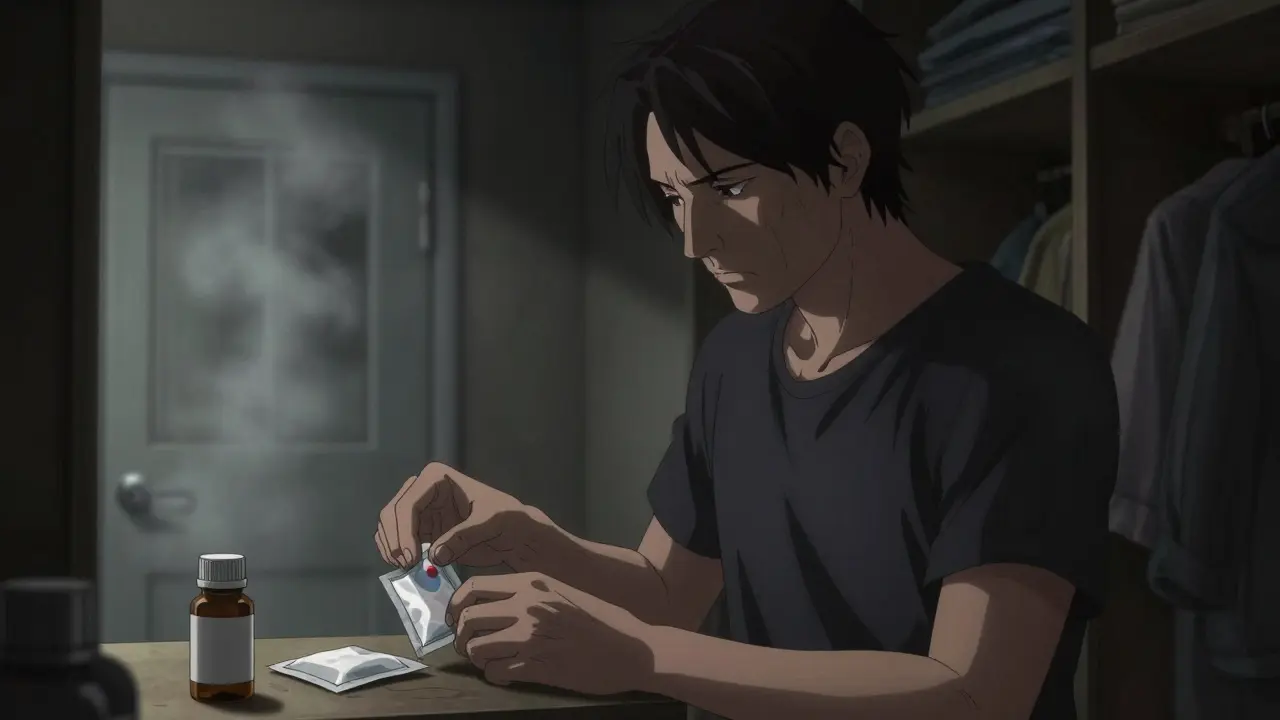
Expiration dates assume ideal storage conditions. If you’ve stored pills in a humid garage or bathroom, they may degrade before the printed date. As a rule of thumb:
- Replace immediately if visible signs of damage appear.
- Discard if stored above 85°F (29°C) for extended periods.
- Check liquid suspensions closely-they’re prone to microbial growth in warm, moist environments.
Don’t rely on “best by” dates alone. Real-world conditions matter more. When in doubt, ask your pharmacist. They can assess whether the product still meets safety standards.
Advanced Solutions for High-Risk Environments
Living in tropical regions or coastal areas? You face higher baseline humidity. Standard tips might not be enough. Consider these upgrades:
- Humidity-Controlled Cabinets: Small electronic units maintain 40-50% relative humidity, ideal for long-term storage.
- Vacuum-Sealed Bags: For bulk supplies, remove air completely before sealing.
- Silica Gel Refills: Replace desiccant packs every 6-12 months depending on usage frequency.
- Blister Pack Preference: Ask your pharmacy for blister-packed versions when available-they offer superior individual protection.
These steps add cost but pay off in reliability. For chronic conditions requiring consistent dosing, stability is non-negotiable.
Why do pills get stuck together in the bottle?
Pills stick together when they absorb moisture from the air. The water acts like a weak glue, binding surfaces. This is common in humid climates or if the bottle lid isn’t sealed tightly. Over time, the moisture can also trigger chemical breakdown, reducing effectiveness.
Can I put silica gel packets in my pill bottles?
Yes, food-grade silica gel packets are safe and effective. They absorb excess moisture without reacting with medications. Just ensure the packet doesn’t touch the pills directly-place it at the bottom or top of the container. Replace every 6-12 months for best results.
Is it okay to store meds in the refrigerator?
Only if the label says so. Refrigerators are humid environments, and condensation forms when cold bottles are taken out. Most pills prefer room temperature. Check instructions carefully-some insulin or liquid antibiotics require cooling, but most solid doses do not.
How long does moisture damage take to occur?
It varies by medication and environment. In high humidity (>70%), visible changes can happen in weeks. Under normal conditions, it may take months. Accelerated studies show uncoated tablets losing potency in under 10 days when exposed to damp air. Always inspect regularly.
Do blister packs really protect better than bottles?
Yes, significantly. Each blister pocket is individually sealed, preventing exposure until you push the pill out. Bottles expose all remaining pills every time you open the lid. Blister packs eliminate repeated headspace replacement, making them ideal for moisture-sensitive drugs.