
Medication-Food Interaction Checker
Check Your Medication Interactions
Select a medication and click "Check Interactions" to see how foods affect your medication.
Why Your Medication Might Be Causing More Problems Than It Solves
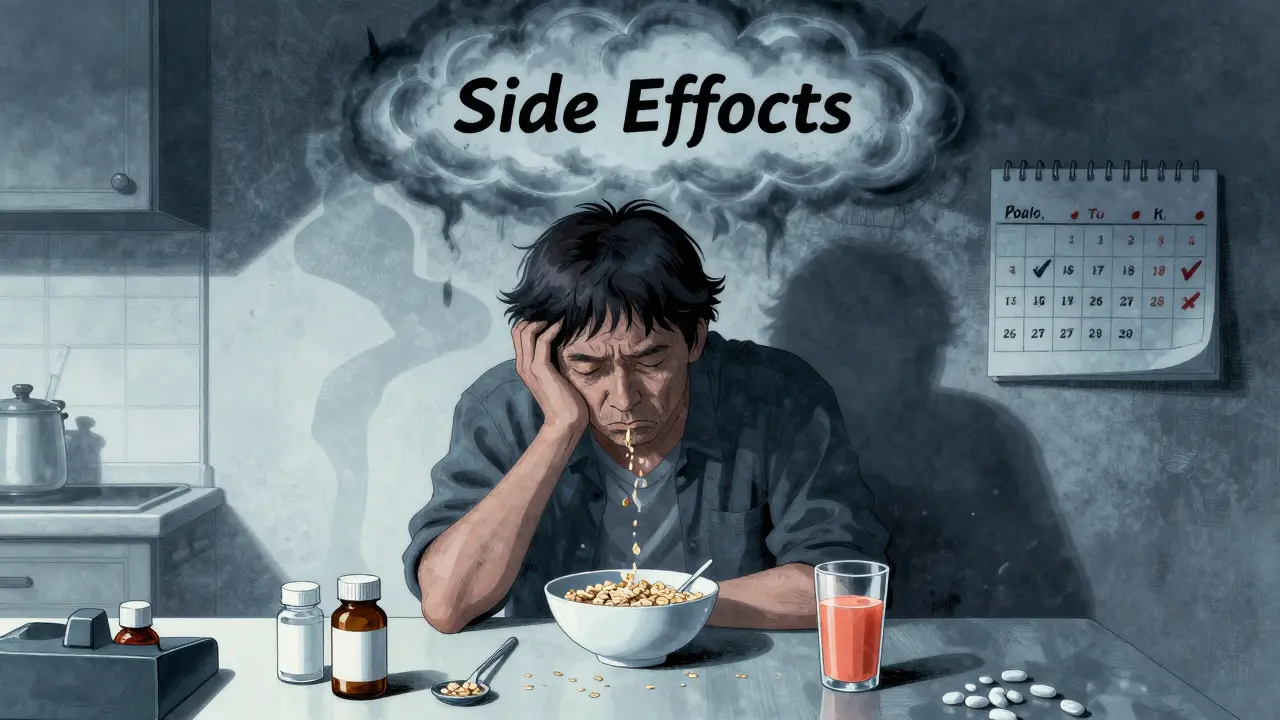
You’re taking your pills every day. You follow the instructions. But you’re still tired all the time, your stomach feels off, or you’ve gained weight you didn’t expect. You might think it’s just part of the deal - that side effects come with the territory. But what if they don’t have to?
Many people don’t realize that what they eat, how they move, how they sleep, and how they handle stress can directly change how their body reacts to medication. It’s not magic. It’s science. And it’s backed by decades of research from institutions like the American Heart Association, Harvard Medical School, and the National Institutes of Health.
Side effects aren’t always unavoidable. In fact, a 2021 study in JAMA Internal Medicine found that medication side effects contribute to nearly 7% of all hospital admissions. That’s not just inconvenient - it’s dangerous. But here’s the good news: lifestyle changes can cut those side effects by more than half in many cases - without touching your prescription.
How Food Can Make Your Medication Work Better - or Worse
What you eat doesn’t just affect your health. It affects how your body absorbs, breaks down, and responds to your meds.
Take statins, for example. These cholesterol-lowering drugs are one of the most commonly prescribed medications in the UK. But grapefruit juice? It’s a silent troublemaker. Just 200ml a day - about one small glass - can spike statin levels in your blood by up to 50%. That means more muscle pain, more fatigue, more risk of damage. Same goes for certain antibiotics and blood pressure drugs. Grapefruit isn’t the only culprit. Seville oranges, pomelos, and even some herbal teas can do the same thing.
On the flip side, food can help. If you’re on warfarin (a blood thinner), your body needs steady vitamin K intake. That means eating about the same amount of leafy greens every day - kale, spinach, broccoli - not skipping them one week and loading up the next. A sudden change can throw your INR levels off, increasing your risk of clots or bleeding.
For people taking metformin for type 2 diabetes, meal timing matters more than you’d think. A 2022 study in Diabetes Care showed that keeping carbs consistent - around 30g per meal - reduced stomach upset by 37%. That’s not because metformin stopped working. It’s because your gut had a predictable rhythm to work with.
The DASH diet - designed to lower blood pressure - is another powerful tool. Cutting sodium from 2,300mg to 1,500mg a day (roughly 2/3 teaspoon of salt) can drop systolic pressure by 8-14 mmHg. That’s equivalent to adding another blood pressure pill - but without the dizziness or dry cough that often come with it.
Exercise Isn’t Just for Fitness - It’s for Medication Efficiency
If you’re on blood pressure meds and still feel like you’re fighting your body, you might need more movement - not more pills.
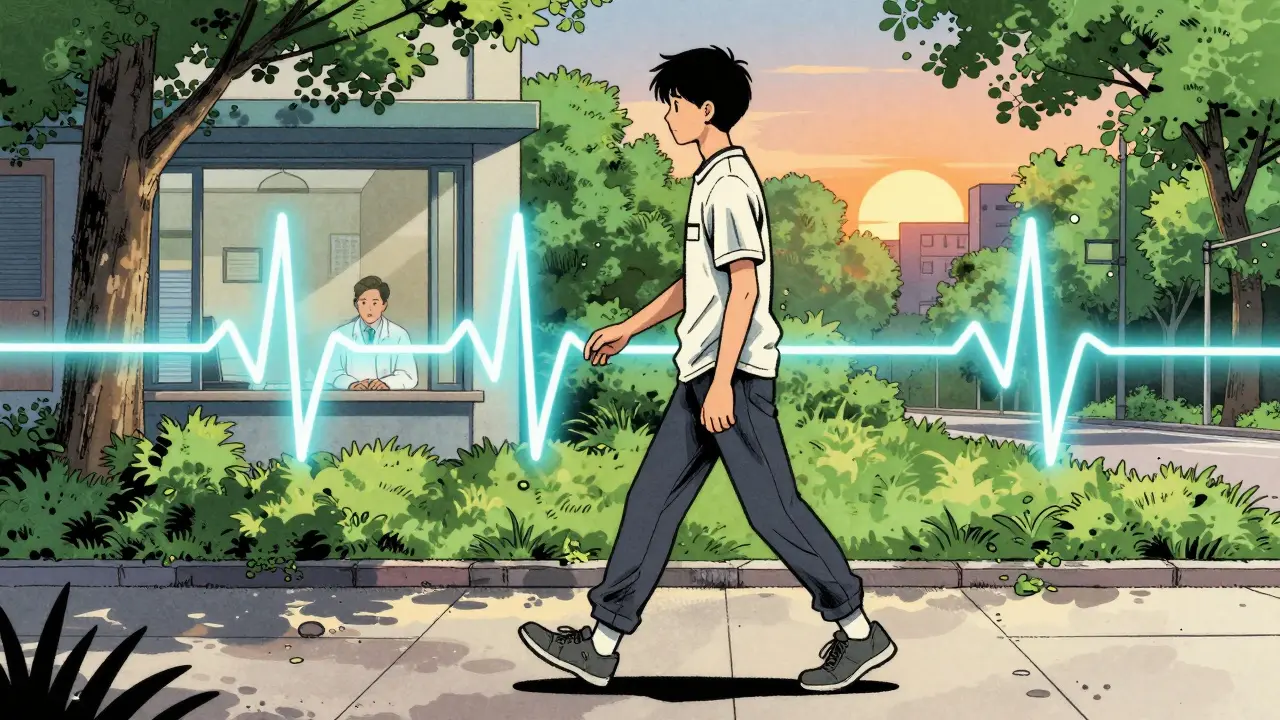
Research from the American Heart Association shows that 150 minutes a week of brisk walking (that’s 30 minutes, five days a week) can lower systolic blood pressure by 5-8 mmHg. For many people, that’s enough to reduce their dose - or even stop one medication entirely, under a doctor’s care.
And it’s not just blood pressure. People on beta-blockers often feel sluggish. But a structured walking or cycling program, starting with just 10 minutes twice a day and building up, improved energy levels by 41% in eight weeks. Same goes for statin users. Muscle pain is a common complaint. But adding just two days a week of light resistance training - like bodyweight squats or resistance bands - and taking 200mg of coenzyme Q10 daily cut muscle pain from 29% to 11% in a 2021 study.
Even antidepressants can become more effective with movement. A 2023 review found that 150 minutes of moderate exercise weekly - like swimming, dancing, or gardening - reduced weight gain linked to antidepressants by nearly 70%. That’s because exercise helps regulate insulin and cortisol, two hormones that often spike when you’re on these meds.
Sleep: The Forgotten Medication Booster
You might not think of sleep as part of your medication plan. But your liver doesn’t sleep on the job - and neither should you.
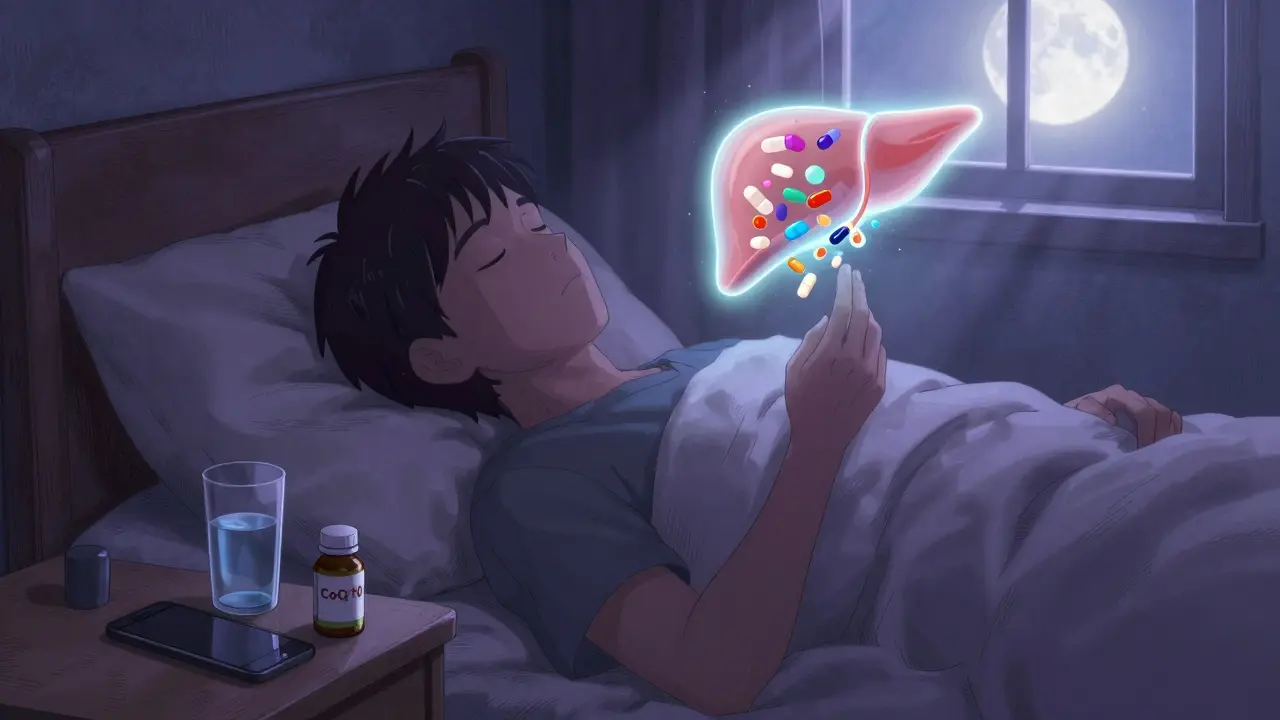
Most drugs are broken down by liver enzymes, especially CYP3A4. When you get 7-9 hours of quality sleep, those enzymes work 22% more efficiently. That means your body processes meds faster and more predictably. Poor sleep? That’s like driving with a foggy windshield - your body can’t tell how much drug is in your system.
This matters most for drugs like statins, some antidepressants, and anti-anxiety meds. One 2021 study in JAMA Psychiatry showed that people who improved their sleep quality saw a 31% boost in antidepressant effectiveness - and fewer side effects like nausea, drowsiness, and weight gain.
How to fix it? Stick to a bedtime. No screens 90 minutes before sleep. Keep your room cool (around 18°C). And avoid caffeine after 2pm. Even small changes can make a big difference.
Stress Is Making Your Meds Less Effective
Chronic stress floods your body with cortisol. And cortisol doesn’t just make you feel anxious - it changes how your body handles medication.
High cortisol can interfere with insulin sensitivity, making diabetes meds less effective. It can raise blood pressure, counteracting your pills. And it can make antidepressants feel like they’re not working - even when they are.
But here’s the fix: 30 minutes a day of mindfulness. That could be deep breathing, walking in silence, or just sitting still and focusing on your breath. A 2021 study showed this lowered cortisol by 27% and improved antidepressant outcomes by 31%. No new pills. No extra cost.
For people on GLP-1 agonists like semaglutide (Ozempic, Wegovy), stress makes nausea worse. Why? Because stress slows digestion. Pair that with a drug that already slows digestion, and you’ve got a recipe for discomfort. Reducing stress doesn’t just help your mood - it helps your stomach.
What to Do Right Now - A Simple 7-Day Plan
You don’t need to overhaul your life overnight. Start small. Pick one area. Stick with it for a week. Then add another.
- Day 1-3: Track your meals and meds. Write down what you eat and when you take each pill. Look for patterns. Are you taking your blood pressure med right after a big, salty breakfast? That could be hurting its effect.
- Day 4-5: Add 10 minutes of movement. Walk after lunch. Stretch while watching TV. Don’t aim for a workout - aim for consistency.
- Day 6: Cut grapefruit and limit alcohol. Both interfere with common meds. Swap grapefruit for an orange. Swap wine for sparkling water.
- Day 7: Go to bed 30 minutes earlier. No screens. Just dim light and quiet. See how you feel in the morning.
After a week, you’ll likely notice less fatigue, less bloating, or better sleep. That’s your body responding to the changes - not just the pills.
When to Talk to Your Doctor - And What to Say
Lifestyle changes can help - but they’re not a substitute for medical advice. Never stop or change your dose without talking to your prescriber.
Next time you see your doctor, say this:
- “I’ve been trying to eat less salt and walk more. My blood pressure feels steadier - could we check if my dose still needs to be this high?”
- “I’ve started taking coenzyme Q10 and doing light strength training. My muscle pain has dropped. Is this something you’d recommend others try?”
- “I’ve been sleeping better and reducing stress. I feel less foggy on my antidepressant. Could we see if I’m still on the right dose?”
Doctors aren’t always trained in lifestyle medicine - only 28% of US medical schools require it. But that’s changing. The American Medical Association launched a new initiative in January 2024 to help doctors track lifestyle factors in electronic records. You’re not asking for a miracle. You’re asking for smarter care.
What Not to Do
Don’t try to fix side effects by skipping doses. That’s dangerous. Rebound high blood pressure or sudden spikes in blood sugar can happen fast.
Don’t take supplements without checking with your pharmacist. Coenzyme Q10 helps with statin pain - but it can interfere with blood thinners. Turmeric? It can increase bleeding risk if you’re on warfarin.
Don’t assume your doctor knows your habits. Most primary care visits last 10-15 minutes. They’re focused on your labs and symptoms. They won’t ask about your sleep unless you bring it up.
Final Thought: Your Body Is a Team Player
Medication doesn’t work in isolation. It works with your body - and your body works with your habits. When you eat well, move regularly, sleep deeply, and manage stress, your body becomes a better partner to your medicine.
You’re not just taking pills to feel better. You’re building a life where you need fewer pills - and feel more like yourself.
Can lifestyle changes really reduce the need for medication?
Yes - but only under medical supervision. For example, people on blood pressure meds who follow the DASH diet and exercise regularly may reduce their dose by 30-40%. Those on metformin who eat consistent meals can cut stomach side effects by 37%. These aren’t guesses - they’re proven results from clinical trials. But never stop or lower your dose on your own. Always work with your doctor.
What foods should I avoid with my meds?
Grapefruit and related citrus (pomelo, Seville oranges) interfere with statins, some blood pressure drugs, and certain antidepressants. Vitamin K-rich foods like kale and spinach can reduce warfarin’s effect if your intake isn’t steady. Dairy can block antibiotics like tetracycline - take those two hours before or after milk. Alcohol increases drowsiness with sedatives and raises liver risk with painkillers like paracetamol.
How much exercise do I really need to see a difference?
As little as 10 minutes a day, done consistently, can help. For blood pressure, aim for 150 minutes a week of brisk walking (30 minutes, five days). For muscle pain from statins, two days a week of light resistance training (like squats or bands) plus 200mg of coenzyme Q10 cuts pain in half. The key isn’t intensity - it’s regularity. Movement every day beats one long workout once a week.
Can sleep really affect how my meds work?
Absolutely. Your liver uses sleep to process most medications. Getting 7-9 hours of quality sleep improves drug metabolism by 22%. That means your body clears statins, antidepressants, and painkillers more efficiently - leading to fewer side effects like fatigue, nausea, or dizziness. Poor sleep can make meds feel weaker or cause unpredictable reactions.
I’m on antidepressants and gaining weight. What can I do?
Weight gain from antidepressants is common - but not inevitable. A 2023 NIMH protocol found that combining 45 minutes of moderate-vigorous exercise daily (like fast walking or cycling) with protein-focused meals (30g protein per meal) limits annual weight gain to just 2.1kg, compared to 7.8kg without changes. Focus on lean meats, eggs, beans, and Greek yogurt. Avoid sugary snacks, which spike insulin and promote fat storage.
Are supplements like CoQ10 safe to take with my meds?
CoQ10 is generally safe and helps reduce statin-related muscle pain. But it can interact with blood thinners like warfarin, making them less effective. Always check with your pharmacist before starting any supplement - even if it’s sold as “natural.” What’s safe for one person might be risky for another, depending on their meds.
Why isn’t my doctor talking to me about lifestyle changes?
Most doctors want to - but they’re pressed for time. Only 28% of US medical schools teach lifestyle medicine. Many still think of it as optional. But that’s changing. The American Medical Association launched a new tool in 2024 to help doctors track lifestyle habits in electronic records. If your doctor doesn’t bring it up, ask. Say: “I’ve read that diet and exercise can help reduce side effects. Can we talk about what might help me?”
Lance Nickie
January 13, 2026 AT 17:10sam abas
January 14, 2026 AT 23:11Priyanka Kumari
January 15, 2026 AT 17:18Avneet Singh
January 15, 2026 AT 18:32Kimberly Mitchell
January 16, 2026 AT 19:15Randall Little
January 17, 2026 AT 06:47Lethabo Phalafala
January 19, 2026 AT 03:44Milla Masliy
January 20, 2026 AT 07:41Damario Brown
January 22, 2026 AT 03:45Clay .Haeber
January 22, 2026 AT 15:16