
Every year, millions of fake pills, injected liquids, and packaged drugs slip through borders, online stores, and pharmacies-looking just like the real thing. But inside? Nothing safe. In 2025, law enforcement seized over 50 million doses of counterfeit medications worldwide. That’s not a number. That’s 50 million chances someone could die because they trusted a bottle that looked real.
What Gets Counterfeited-and Why
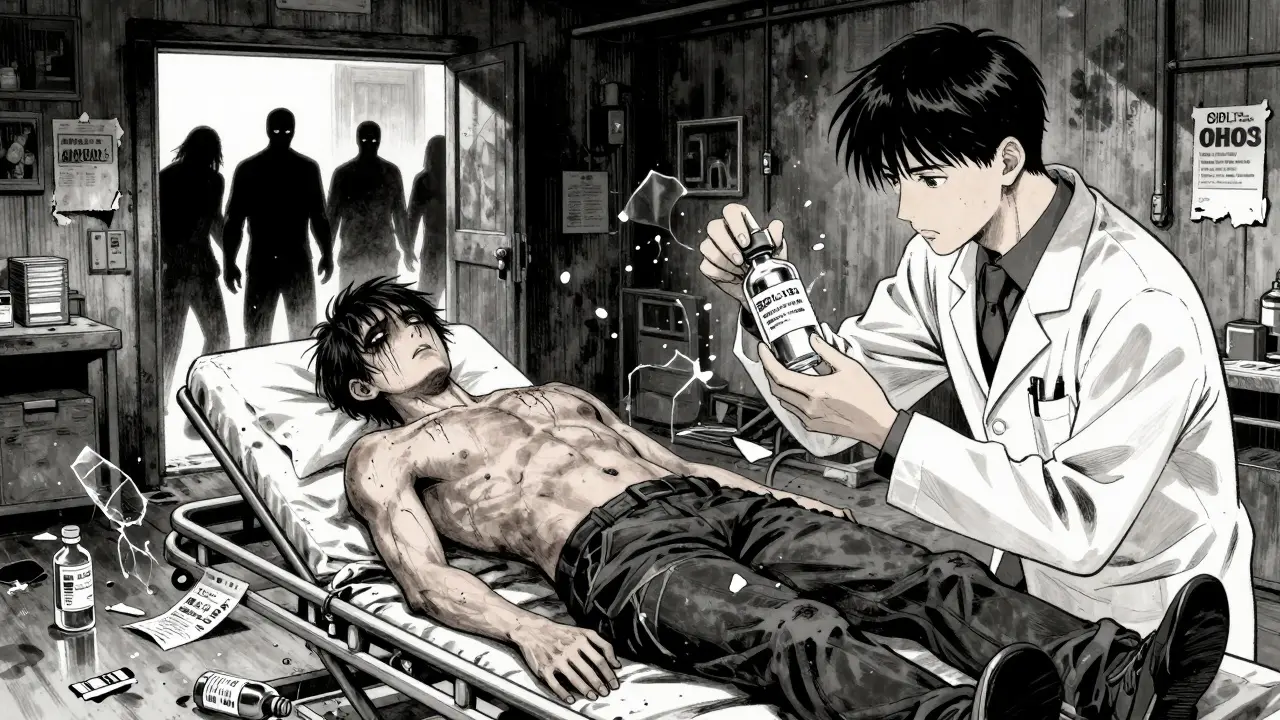
Not all drugs are targeted equally. Criminals go for high-demand, high-price products where people are desperate. Weight-loss drugs like Ozempic, Wegovy, and newer ones like Retatrutide are the top targets. Why? Because they sell for hundreds of dollars a pen, and demand is outpacing supply. People are buying them online, often without a prescription, thinking they’re getting a miracle solution. Erectile dysfunction pills, Botox, dermal fillers, and HIV medications are also big targets. These aren’t just risky-they’re deadly. In one case in 2025, a patient in Ohio developed severe cellulitis after injecting counterfeit dermal filler bought off Etsy. The product had no active ingredients, just industrial solvents and metal particles. The patient needed hospitalization. Counterfeiters don’t just copy the label. They replicate the packaging, the color, the font, even the batch numbers. Some fake GLP-1 pens come with working dose counters and temperature-sensitive stickers. Only lab tests reveal the truth: no semaglutide, no tirzepatide. Just sugar, chalk, or worse.Where the Fake Drugs Come From
The U.S. Customs and Border Protection intercepted over 16,700 fake injectable pens in August 2025. Where did they come from? Mostly Hong Kong (32%), China (28%), Colombia (19%), and South Korea (11%). These aren’t random shipments. They’re part of organized networks that operate like legitimate businesses-with warehouses, shipping logistics, and customer service. In the U.S., the biggest sales channels are online marketplaces. Nearly half (47%) of counterfeit GLP-1 drugs are sold on Etsy, Amazon, and Facebook Marketplace. Sellers use vague terms like “research chemicals” or “for veterinary use” to avoid detection. Another 31% come directly from unregulated manufacturers overseas, often via mail. Just 22% come from foreign pharmacies that pretend to be licensed. But here’s the twist: in many cases, the drugs themselves aren’t illegal to import-unless they’re fake. U.S. law only lets customs seize drugs that are counterfeit, not those that just violate the Food, Drug, and Cosmetic Act. That means a bottle of unapproved semaglutide that’s real, but not FDA-approved, can still enter the country. Only if it’s fake-wrong ingredients, wrong packaging, wrong label-can it be seized. That loophole is being exploited.Real Cases That Shook the System
In August 2025, U.S. authorities in Cincinnati seized $3.5 million worth of fake medications in a single shipment. The boxes had labels that looked identical to Novo Nordisk’s Ozempic. Inside? Nothing but saline solution and trace amounts of caffeine. An Iowa pharmacy was fined $25,000 for selling counterfeit Ozempic. The owner claimed they didn’t know. But the packaging had slight color differences, and the batch numbers didn’t match the manufacturer’s database. That’s not ignorance-that’s negligence. In South Africa, police in Gqeberha raided a warehouse and found R2.2 million ($118,000) in fake HIV and diabetes drugs. The labels were in perfect English. The bottles were sealed. The expiration dates were valid. Only chemical analysis showed the active ingredients were missing. Nigeria’s NAFDAC shut down an illegal herbal medicine factory in Kaduna. The “medicines” were brewed in plastic buckets, bottled in reused containers, and labeled as “traditional African remedies.” They contained no active compounds, and some had toxic levels of lead. And then there’s the Medicaid fraud case. Over 70 people were charged in a scheme that sold $9.5 million in fake HIV drugs through online platforms. They billed Medicaid for prescriptions never filled, then shipped counterfeit pills to patients who thought they were getting life-saving treatment.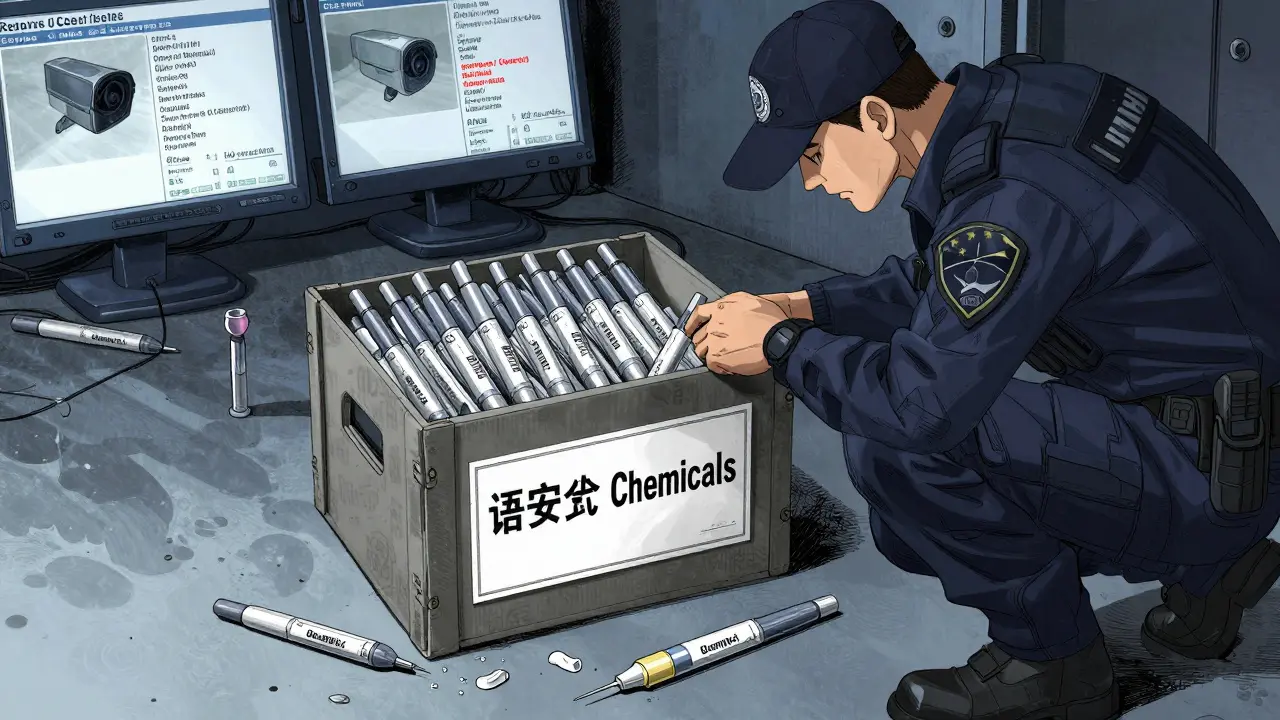
Why the Problem Is Getting Worse
Counterfeiters are getting smarter. They no longer ship full pills. They ship components: empty vials, fake labels, packaging materials. Then they assemble them locally-closer to the buyer. That makes detection harder. Customs can’t inspect every parcel. And if the product isn’t counterfeit, they can’t stop it. The rise of social media has made it easier to sell. Instagram ads, TikTok influencers, and private WhatsApp groups now replace shady websites. A single post can reach thousands. And because these platforms don’t verify medical claims, sellers operate with near-total anonymity. Even worse: biologic drugs-like those for cancer or autoimmune diseases-are now being counterfeited. These are complex molecules made from living cells. Replicating them is nearly impossible without advanced labs. But criminals don’t need to replicate them perfectly. They just need to make something that looks real. Patients get injected with saline, preservatives, or worse. The consequences? Organ failure, immune collapse, death.What’s Being Done-and What’s Not
Interpol’s Pangea XVI operation in 2025 was the largest global crackdown yet. Ninety countries took part. They shut down 13,000 websites, arrested 769 people, and seized 50.4 million doses. That’s impressive. But it’s reactive. For every fake pen seized, ten more are already on their way. Pharmaceutical companies like Pfizer have trained law enforcement in 183 countries on how to spot fakes. They teach agents to check for: misaligned labels, mismatched fonts, incorrect batch numbers, and packaging that feels off. But training isn’t enough. Resources are stretched thin. Blockchain tracking systems have been tested by major drugmakers. One pilot reduced counterfeit incidents by 37%. The technology lets patients scan a code on the package to verify authenticity. But it’s expensive. Small manufacturers can’t afford it. And if the system isn’t mandatory, criminals just bypass it. The FDA’s MedWatch database saw a 43% jump in adverse events linked to suspected fake drugs in the first half of 2025. Most reports came from people who bought weight-loss or cosmetic injectables online. These aren’t just numbers. They’re people who trusted a link, a discount, a promise.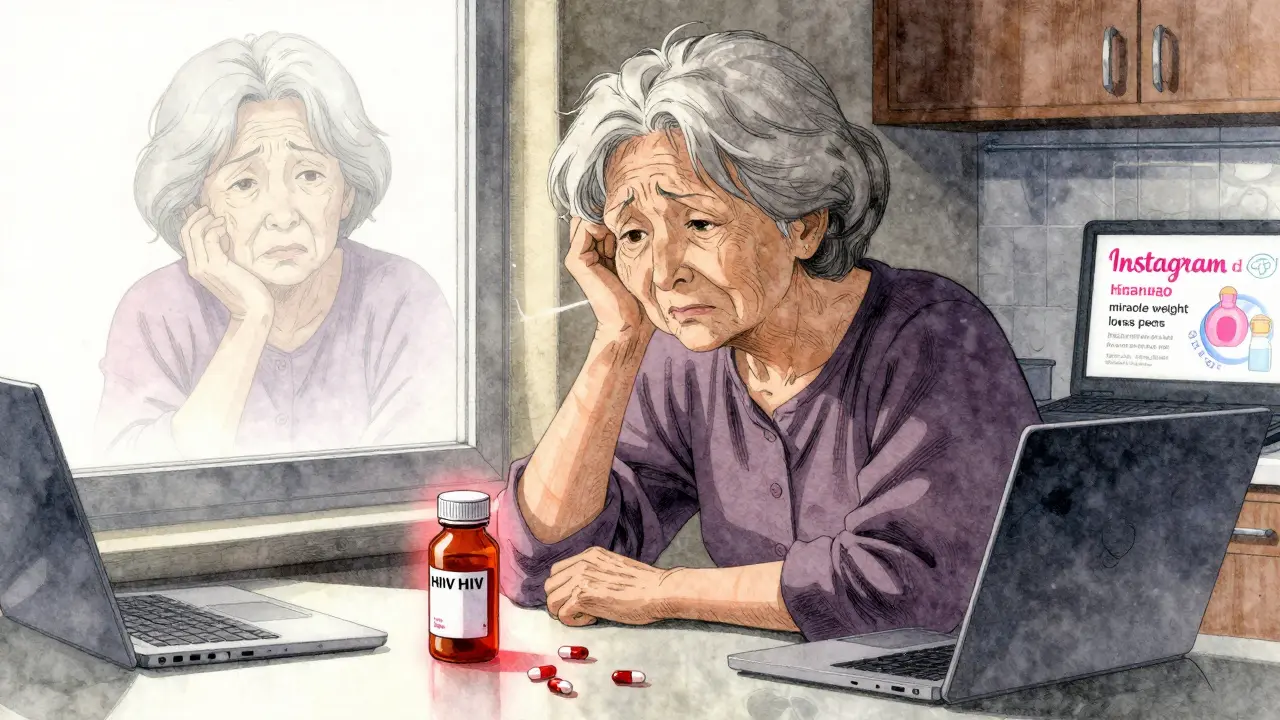
pragya mishra
January 20, 2026 AT 19:39Look, I don't care if it's 'research chemicals' or 'for veterinary use'-if someone's selling Ozempic on Etsy for $40, they're not your friend. I bought a fake one last year and ended up in the ER with a blood infection. My insurance denied it because 'it wasn't prescribed.' You think that's fair? It's not. Someone's making bank off your desperation, and you're the one paying with your body.
Art Gar
January 22, 2026 AT 05:27While the anecdotal evidence presented is compelling, one must consider the methodological limitations of seizure statistics as proxies for prevalence. The absence of controlled longitudinal studies on counterfeit pharmaceutical ingestion rates renders the extrapolation of mortality risk statistically unsound. Furthermore, the conflation of unapproved pharmaceuticals with counterfeit products constitutes a logical fallacy that undermines regulatory coherence.
Edith Brederode
January 22, 2026 AT 13:25My grandma got scammed buying 'glucophage' off Facebook. She thought she was saving money. She ended up in the hospital. 😔 I showed her how to check the VIPPS seal. She cried. I cried. Please, if you're buying meds online-double-check. It's not worth it. 💔
clifford hoang
January 23, 2026 AT 22:23They’re letting fake drugs in because the FDA’s in bed with Big Pharma. You think they want you to know how easy it is to make real GLP-1 drugs? Nah. They need you dependent on $1,000 pens. The 'counterfeit' ones? Probably real-just not patented. They’re calling them fake to scare you into paying more. Wake up. The government doesn’t protect you. It protects profits. 🕵️♂️💊
Arlene Mathison
January 25, 2026 AT 11:02Okay, real talk: if you’re buying weight-loss drugs off TikTok, you’re already playing Russian roulette. But here’s the thing-no one’s stopping you from getting your prescription filled at a real pharmacy. Why not? Because insurance is a nightmare, and the copay is $800. So you go online. And then you get scammed. The system’s broken. The criminals? They’re just filling the gap. We need affordable meds, not more guilt trips.
And yeah, I know-don’t buy from sketchy sites. But when your paycheck disappears into insulin co-pays, you don’t have options. You have survival.
Stop blaming the victim. Fix the pricing. Fix the access. Then we won’t need to gamble with saline and metal shavings.
Also, if you’re a doctor and you’re not talking to your patients about this, you’re failing them. We need more outreach, not more fear.
And yes-I’ve seen the fake pens. They look real. I’ve held them. The stickers even change color. It’s terrifying. But it’s not your fault if you got tricked.
Report it. Tell your friends. Don’t just scroll past. This is life or death.
And if you’re one of those people who says 'just don’t buy it'-go live on $15k a year and see how long your moral high ground lasts.
Real change? It’s policy. It’s price caps. It’s generic access. Not just 'be careful.'
And if you’re reading this and you’ve never had to choose between rent and meds-you’re lucky. Use that luck to speak up.
They’re not selling drugs. They’re selling hope. And hope is the most dangerous thing to counterfeit.
Renee Stringer
January 26, 2026 AT 03:37It’s appalling that people think they can outsmart the system by buying unregulated medications. This isn’t a game. Lives are lost because of arrogance and convenience. There are laws for a reason.
Crystal August
January 27, 2026 AT 06:38Ugh. Another 'people are dumb' article. Newsflash: most of these people are just poor. Or old. Or scared. Stop acting like it’s their fault they’re desperate. The system failed them. Again.
Thomas Varner
January 28, 2026 AT 14:18So… the fake pens have working dose counters? That’s wild. Like, who even designs that? That’s next-level fake. I’d believe a fake label. But a fake dose counter? That’s not laziness-that’s engineering. And now I’m paranoid about every pen I’ve ever used. 😅
Andy Thompson
January 30, 2026 AT 01:51China and Hong Kong? Of course. They’ve been dumping poison on us since the 80s. And now they’re selling fake diabetes shots? This is economic warfare. Our borders are a joke. Our politicians are asleep. Wake up, America. They’re not just stealing jobs-they’re killing us. And no one’s doing anything.
sagar sanadi
January 30, 2026 AT 02:28They say fake drugs are from China. But what if the real ones are just as bad? Maybe the 'real' ones are just slower poison. Who even knows anymore? 😏
kumar kc
January 31, 2026 AT 02:27Buying fake meds is stupid. Don’t do it.
Nadia Watson
February 1, 2026 AT 05:16As someone who works in global health, I’ve seen the fallout in low-income communities where counterfeit drugs are rampant. The tragedy isn’t just the lack of efficacy-it’s the erosion of trust in public health systems. When people believe their insulin is fake, they stop taking it. That’s a silent epidemic. We need community education-not just law enforcement. And yes, I’ve seen typos in my own reports. I’m human. 😊
Courtney Carra
February 2, 2026 AT 15:04It’s not about the pills. It’s about the illusion of control. We want to believe we can hack our bodies, hack our health, hack the system. But the body doesn’t care about your TikTok hustle. It just reacts. And sometimes, it dies quietly. 🌌
thomas wall
February 3, 2026 AT 18:57The moral decay of modern society is laid bare in the proliferation of counterfeit pharmaceuticals. One cannot help but observe that the commodification of health has rendered human life as disposable as a counterfeit label. The erosion of institutional integrity is not merely a regulatory failure-it is a spiritual collapse.
Jacob Cathro
February 4, 2026 AT 10:03Bro… the FDA’s MedWatch database spiked 43%? That’s because people are finally reporting the sh*t they bought off Amazon. But no one’s gonna fix the system. They’ll just blame the buyers. Classic. Meanwhile, the real villains? The pharma CEOs who charge $10K for a vial of insulin. The ones who lobby to keep generics off the market. The ones who don’t give a damn if you die from a fake pen because you couldn’t afford the real one. 😤