
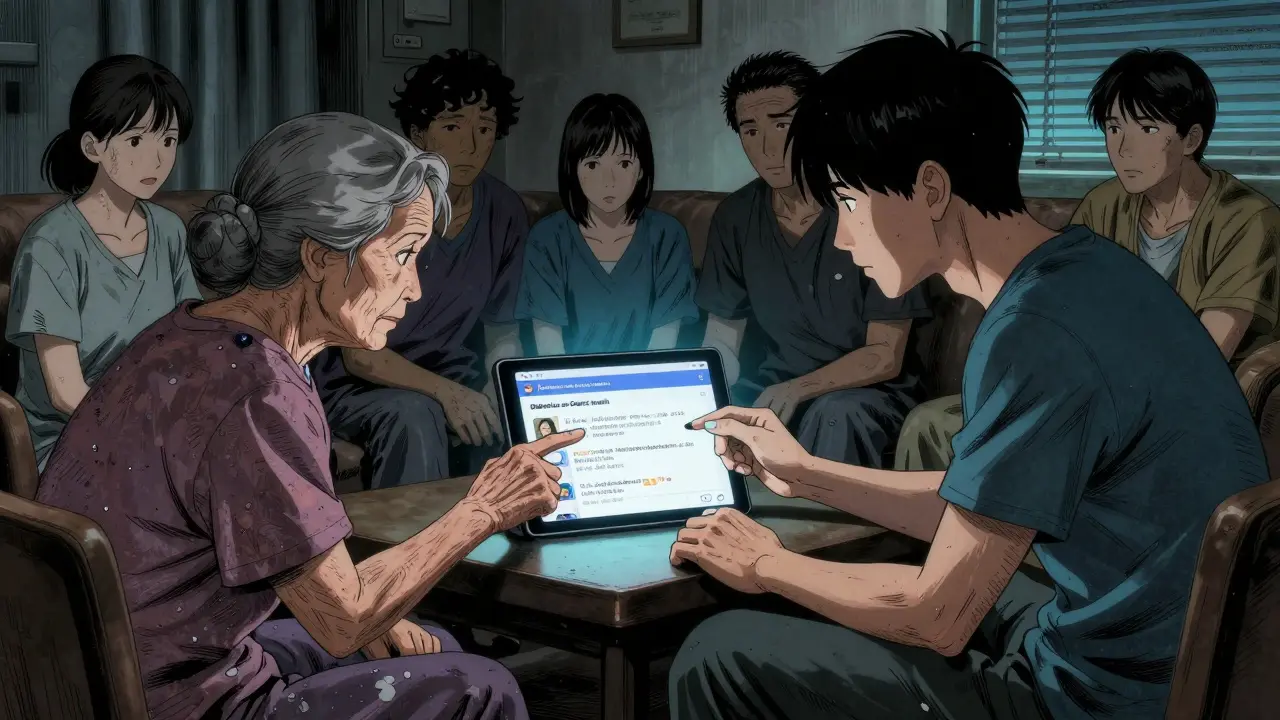
When you’re managing a chronic condition like hypertension or diabetes, knowing about your generic medications isn’t just helpful-it’s life-changing. But where do most patients turn for reliable, real-world advice? Not to pamphlets. Not to doctor’s offices. Increasingly, they’re turning to social media.
Across Facebook groups, Instagram reels, and TikTok videos, patients are sharing how they’ve switched from brand-name drugs to generics-and what happened next. These aren’t ads. They’re stories. And they’re changing how people understand their own care.
Why Patients Trust Social Media More Than Brochures
A 2025 survey by the UK Patient Advocacy Network found that 68% of patients on long-term medications turned to online communities before asking their pharmacist about switching to generics. Why? Because they wanted to hear from people who’d been there.
One Reddit thread from November 2025, titled “My Metformin switched brands-why do I feel different?”, had over 2,300 comments. Users shared sleep changes, digestion issues, and even blood sugar patterns tied to different generic manufacturers. One woman wrote: “I didn’t know generics could vary so much until I saw three people describe the same problem with the same pill.”
That kind of peer-to-peer insight doesn’t show up in prescribing guidelines. But it matters. A 2024 study in the British Journal of General Practice showed patients who engaged with online patient communities were 41% more likely to stick with their generic medication long-term-because they felt heard, not just instructed.
Which Platforms Are Actually Working for Patient Education?
Not all social media is equal when it comes to health. Each platform serves a different purpose.
Facebook Groups are still the backbone. With 2.98 billion users globally, Facebook remains the most-used platform for older adults and caregivers. Groups like “Diabetics on Generic Insulin” or “Hypertension Med Swap Support” have thousands of members. They’re where people ask questions like, “Is this pill the same as the blue one I used to take?” and get answers from others who’ve checked with their pharmacist or tracked their labs.
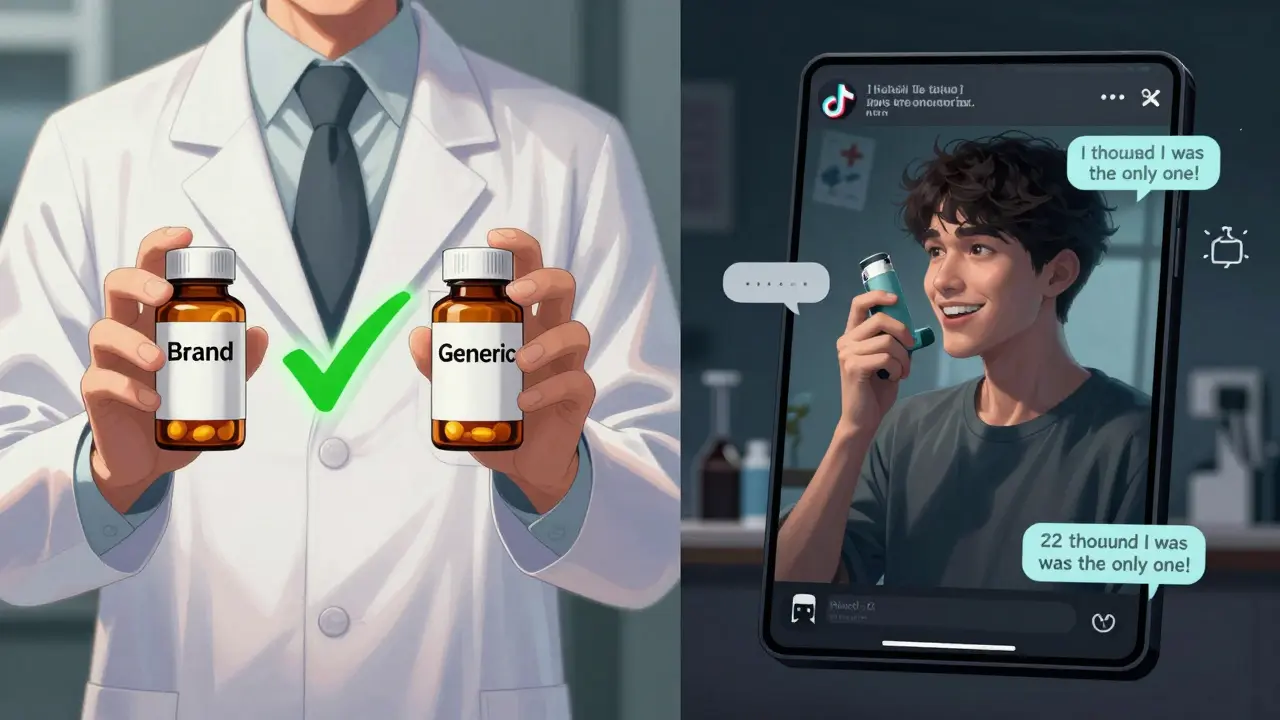
Instagram is where visual stories thrive. Pharmacists and patient advocates post side-by-side images of pill bottles, explain tablet markings, and use Reels to show how to read blister packs. A popular post from @GenericMedGuide in January 2026 showed a split-screen: one side labeled “Brand Name,” the other “Generic”-then highlighted identical active ingredients, with a caption: “Same medicine. Different price. Here’s how to tell if yours is safe.” It got 147,000 views.
TikTok is the fastest-growing space for younger patients. Short videos under 90 seconds explain how to check if your generic is bioequivalent, debunk myths like “generics don’t work as well,” or show how to use apps like Medisafe to track side effects. One video by a 22-year-old with asthma, “Why I switched to my generic inhaler and didn’t die,” has 3.2 million views. Comments are filled with people saying, “I thought I was the only one worried about this.”
YouTube hosts longer explainers. Channels like “MedInfo UK” and “The Pharmacy Channel” have videos breaking down FDA and MHRA equivalence standards, showing how bioavailability testing works, and interviewing pharmacists about why generics cost less. These videos average 15.7 minutes of watch time-far longer than most health content online.
The Real Risk: Misinformation and the “Generic Myth”
But here’s the problem. Not everything you see online is true.
A 2025 analysis by the UK Medicines and Healthcare products Regulatory Agency (MHRA) found that 42% of social media posts about generics contained misleading claims. Some said generics cause more side effects. Others claimed they’re “filler pills.” One viral TikTok even suggested switching generics could lead to organ damage-no evidence, just fear.
The truth? Generics must meet the same strict standards as brand-name drugs. The MHRA requires them to have the same active ingredient, strength, dosage form, and route of administration. They must also prove they’re absorbed into the bloodstream at the same rate and extent-within 80-125% of the original.
So why do people still doubt them? Because of a few real, but rare, cases. Some patients with narrow therapeutic index drugs-like warfarin, levothyroxine, or certain seizure meds-do report subtle differences when switching between generic brands. That’s not because generics are inferior. It’s because these drugs need precise dosing. Even a small change in absorption can matter.
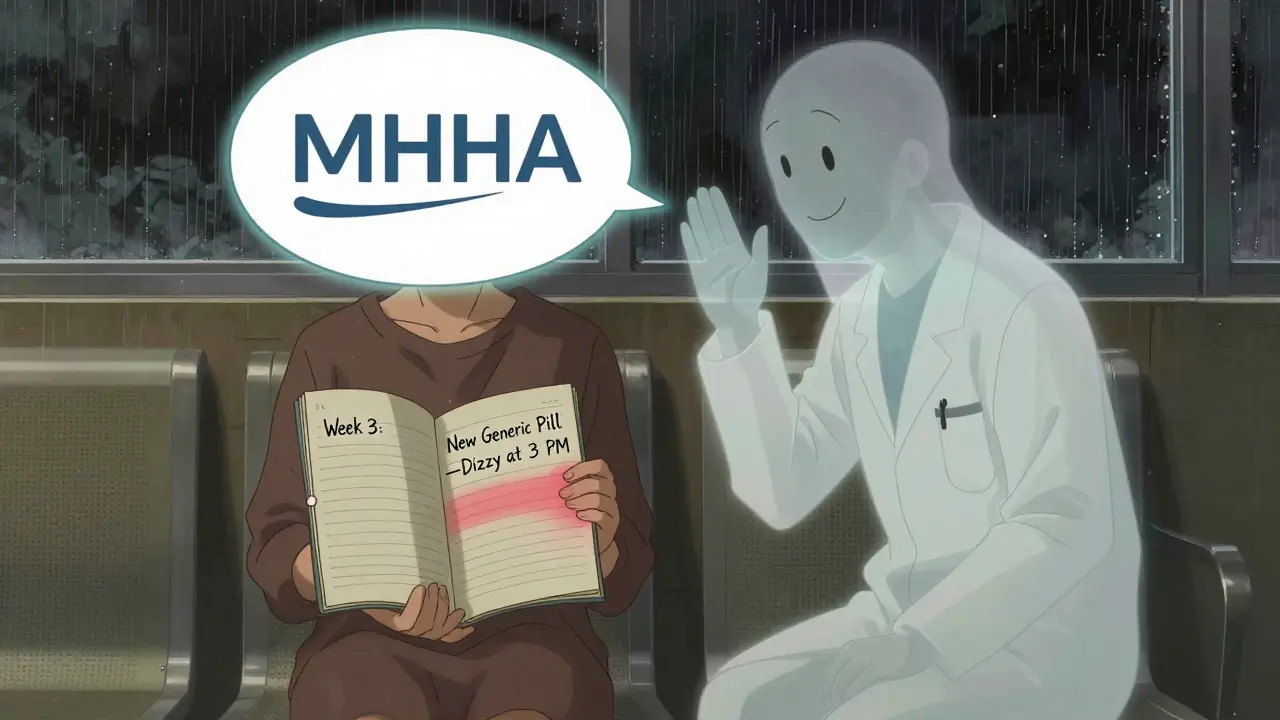
That’s why experts recommend: if you’re on one of these sensitive medications, stick with the same generic manufacturer. If your pharmacy switches it, ask them to note it on your prescription. And if you notice a change in how you feel? Track it. Write down symptoms. Take your readings. Then bring it to your doctor or pharmacist.
How to Spot Reliable Info Online
Not every post is created equal. Here’s how to tell the difference:
- Look for sources: Posts that cite MHRA, NICE, or the FDA are more trustworthy than those that say “my cousin’s doctor said.”
- Check the account: Is it a pharmacist? A patient advocacy group? A verified healthcare provider? Or just someone with a meme account?
- Watch for emotional manipulation: If a video says “THIS ONE THING WILL SAVE YOU FROM BIG PHARMA!”-it’s probably not science.
- Look for consistency: If five different reputable sources say the same thing, it’s likely accurate.
Some trusted UK-based accounts to follow: @NHSmeds (official NHS account), @PharmacyGuildUK, and @PatientInfoUK. They regularly post updates on generic drug approvals, recalls, and equivalence reports.
What Pharmacies and Clinics Are Doing Right
Forward-thinking pharmacies are no longer waiting for patients to come to them. They’re meeting them where they are.
In Manchester, the Chain Pharmacy Group launched a TikTok series called “Generic Truths” in late 2025. Each 60-second video answers one question: “Can I trust my generic blood pressure pill?” “Why does my new pill look different?” “Is it okay to switch back and forth?” They’ve seen a 34% increase in patient consultations since launching.
One GP practice in Salford started hosting live Q&As on Facebook every Thursday. Their pharmacist answers questions about generics in real time. Attendance has grown from 20 people to over 200. One patient wrote: “I finally understood why my pill changed color-and I didn’t have to wait two weeks for an appointment.”
What Patients Can Do Today
You don’t need to be a tech expert to use social media safely for your health. Here’s how to start:
- Find one trusted patient group on Facebook or Reddit about your condition.
- Follow one verified healthcare account on Instagram or TikTok that explains medications clearly.
- When you get a new generic prescription, take a photo of the pill and search it on Drugs.com or the MHRA’s online database.
- Keep a simple log: date, pill name, dose, how you feel. Share it with your pharmacist.
- Ask your pharmacist: “Is this generic the same as the one I used before?” They can tell you if it’s from the same manufacturer.
And if you’re worried about side effects? Don’t stop your medicine. Talk to someone. Online communities can help you ask the right questions. But never let them replace your doctor or pharmacist.
The Bigger Picture: Social Media as a Health Tool
Social media isn’t replacing traditional healthcare. It’s filling a gap. For decades, patients were told to sit quietly and take what they were given. Now, they’re asking questions. They’re comparing. They’re learning.
And that’s a good thing.
Generics save the NHS millions every year. But they only work if people use them. And people only use them if they trust them.
Social media is helping build that trust-not with ads, but with honesty. With shared experiences. With real stories from real people.
The future of patient education isn’t in textbooks. It’s in the comments section, the Reel, the live Q&A. It’s in the quiet moment when someone says, “I’ve been there too,” and another person feels less alone.
Are generic drugs really as effective as brand-name drugs?
Yes. Generic drugs must contain the same active ingredient, strength, dosage form, and route of administration as the brand-name version. They’re also required to be bioequivalent-meaning they’re absorbed into your body at the same rate and extent, within strict limits set by the MHRA and FDA. Most patients experience no difference in effectiveness. A few, especially those on narrow therapeutic index drugs like warfarin or levothyroxine, may notice subtle changes when switching manufacturers, which is why sticking with the same generic brand is often recommended.
Can social media help me understand why my generic pill looks different?
Absolutely. Many patient groups and pharmacist-led accounts post side-by-side images of pills from different manufacturers. The color, shape, or imprint may change because inactive ingredients (like dyes or fillers) differ-but the active ingredient remains the same. Searching your pill’s imprint on sites like Drugs.com or using the MHRA’s online database can confirm it’s still the correct medication. Social media helps demystify these changes so you don’t assume something’s wrong.
Is it safe to switch between different generic brands?
For most medications, yes. But for drugs where even small changes in absorption matter-like seizure medications, thyroid hormones, or blood thinners-it’s best to stick with the same manufacturer. If your pharmacy switches your generic without telling you, ask them to note it on your prescription. Track how you feel for a few weeks. If you notice new side effects or changes in how you feel, contact your doctor. Many patients successfully switch without issue, but awareness is key.
How can I tell if a social media post about generics is trustworthy?
Look for sources: posts that reference the MHRA, NHS, or FDA are more reliable. Check who’s posting-is it a licensed pharmacist, a verified patient group, or a health organization? Avoid posts that use fear tactics like “Big Pharma doesn’t want you to know this!” or make sweeping claims without evidence. Trusted UK accounts include @NHSmeds, @PharmacyGuildUK, and @PatientInfoUK. Cross-check claims with official databases like Drugs.com or the MHRA’s medicine lookup tool.
Should I stop taking my generic medication if I feel different after switching?
No. Stopping medication without medical advice can be dangerous. Instead, keep a simple symptom log: write down what you’re feeling, when it started, and what dose you’re on. Take this to your pharmacist or doctor. Many people experience temporary adjustments-especially with blood pressure or mental health meds. Your provider can help determine if it’s a normal adjustment or something that needs changing. Online communities can help you recognize patterns, but they’re not a substitute for professional advice.
What Comes Next
The next step isn’t just about more videos or better algorithms. It’s about integration. The NHS is piloting a program in 2026 that links patient social media engagement with electronic health records-so if you join a verified support group, your clinician can see (with your permission) that you’re asking questions, tracking side effects, and staying informed.
That’s the real power of social media education: it turns passive patients into active partners in care. And when people understand their meds, they take them. And when they take them, they stay healthy.
swati Thounaojam
January 9, 2026 AT 01:47christy lianto
January 9, 2026 AT 13:05Donny Airlangga
January 11, 2026 AT 08:55Molly Silvernale
January 13, 2026 AT 01:14Kristina Felixita
January 14, 2026 AT 06:04Joanna Brancewicz
January 15, 2026 AT 06:44Evan Smith
January 17, 2026 AT 02:52Lois Li
January 18, 2026 AT 22:43Ken Porter
January 19, 2026 AT 07:36Annette Robinson
January 20, 2026 AT 00:01Luke Crump
January 21, 2026 AT 22:20