
When a drug safety alert, a formal warning issued by health authorities about potentially life-threatening risks tied to a medication. Also known as a medication warning, it’s not just paperwork—it’s a signal that something in your pill bottle could be more dangerous than you think. These alerts don’t mean stop taking your medicine. They mean pay attention. The FDA, EMA, and other agencies issue them when real people have been hurt—sometimes fatally—because side effects weren’t recognized early enough.
Drug safety alerts often link to specific risks you might not expect. Take black box warnings, the strongest warning the FDA can require on a prescription label. These appear on drugs like antipsychotics or blood thinners, not because they’re unsafe for everyone, but because they carry rare but deadly risks like heart arrhythmias or uncontrolled bleeding. You’ll see these warnings in posts about warfarin, statins during pregnancy, or QT-prolonging drug combinations. They’re not scare tactics—they’re checklists. If your drug has one, talk to your doctor about symptoms to watch for: unusual bruising, chest pain, sudden dizziness. Don’t ignore them.
Another major trigger for alerts is counterfeit drugs, fake medications that look real but contain nothing—or worse, toxic ingredients. Lot numbers and serial codes exist to stop these. If you buy pills online without verifying the lot number, you’re gambling with your life. Military deployments, cheap online pharmacies, and supply chain gaps all create openings for fakes. Posts on track-and-trace systems and buying Coumadin online show how easily this happens—and how to avoid it.
Then there’s drug interactions, when two or more medications clash in your body and create new, unexpected dangers. A common antihistamine like Benadryl might seem harmless, but in older adults, it increases fall risk. Combine it with a sedative or blood pressure drug? The risk multiplies. Antipsychotics paired with certain antibiotics or antidepressants can stretch your heart’s electrical rhythm to the breaking point. These aren’t theoretical. Real people end up in the ER because no one checked their full list of meds.
Drug safety isn’t just about big pharma or regulators. It’s about you knowing what’s in your medicine cabinet and asking the right questions. Why was this drug flagged? What symptoms should make me call my doctor right away? Is there a safer alternative? The posts below cover these exact scenarios: bleeding on blood thinners, statins in pregnancy, military drug storage failures, and how to wear a medical alert bracelet if you’re allergic. Each one comes from real cases where someone missed a warning—and paid the price.
You don’t need to be a doctor to protect yourself. You just need to know what to look for. The alerts are out there. The information is here. Now it’s your turn to act before it’s too late.
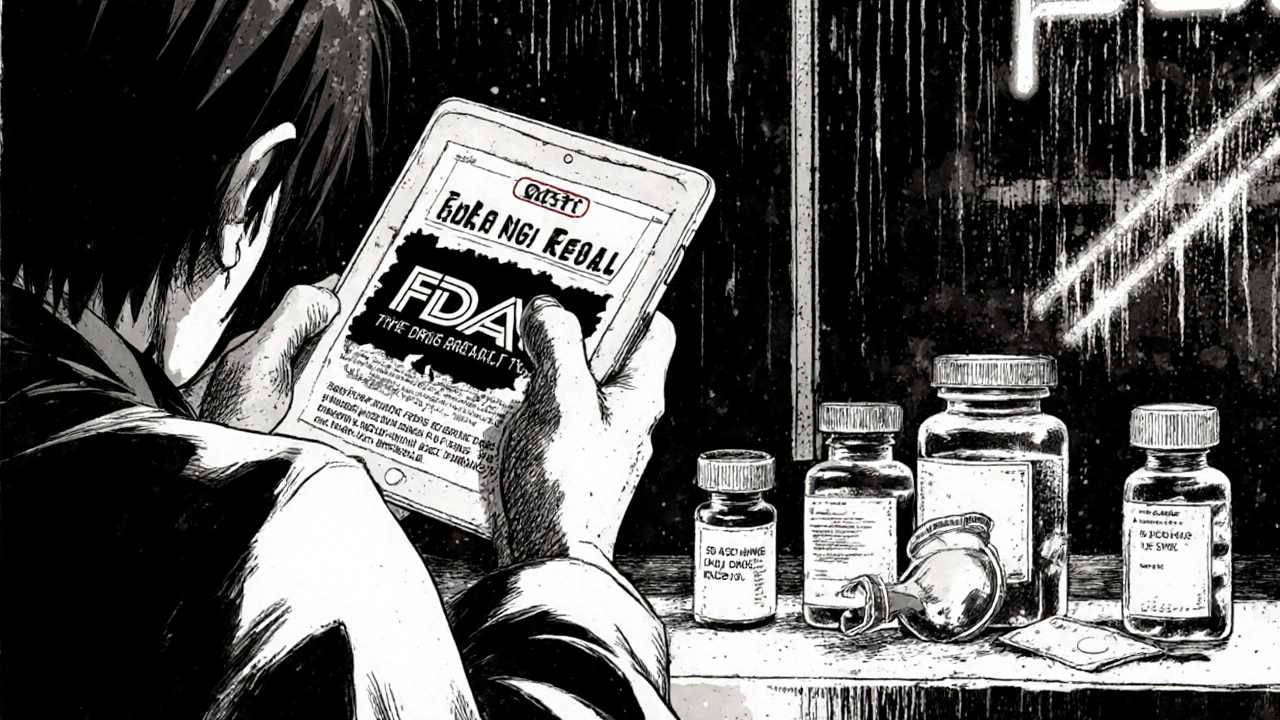
Learn how to verify real drug recalls from fake ones online. Avoid dangerous mistakes by checking official FDA sources, lot numbers, and recall codes before stopping your medication.
Read More >>