
When you pick up a generic medication, a lower-cost version of a brand-name drug that must meet the same FDA standards for active ingredients, strength, and performance. Also known as generic drugs, they’re the backbone of affordable healthcare—but safety isn’t guaranteed just because the price is lower. Many people assume generic = identical, but small differences in fillers, coatings, or absorption rates can change how your body reacts—especially with drugs that have a narrow therapeutic index, medications where the difference between a helpful dose and a dangerous one is tiny, like warfarin or thyroid meds. A switch might seem harmless, but if your INR levels jump after swapping brands, you could be at risk for a stroke or internal bleeding. It’s not the drug failing—it’s the transition that needs monitoring.
Medication expiration date, the date until which the manufacturer guarantees full potency and safety under proper storage doesn’t mean the pill turns toxic the next day. Most tablets stay effective for years. But some, like insulin, nitroglycerin, or epinephrine, can lose potency fast and become dangerous if used past their date. And if you’re storing meds in a hot car, a humid bathroom, or a military field kit, the expiration clock starts ticking sooner. Then there’s the risk of counterfeit drugs, fake pills that look real but contain no active ingredient—or worse, toxic substances like fentanyl. Lot numbers and serial codes are your first line of defense, but only if you know how to check them. The FDA and EMA have different labeling rules, and online pharmacies aren’t all equal—some sell real generics, others sell poison.
And it’s not just about what’s in the pill. It’s about what’s in your body when you take it. Black box warning, the strongest safety alert the FDA can issue, signaling serious or life-threatening risks doesn’t mean avoid the drug—it means understand the danger. Statins during pregnancy? Once banned, now seen as safer than thought. Antipsychotics mixed with other QT-prolonging drugs? Could trigger a fatal heart rhythm. Sedating antihistamines in older adults? Triple the fall risk. These aren’t hypotheticals—they’re real, documented dangers that show up in your prescription bottle. You need to know when to ask your doctor about alternatives, when to check your lot number, and when to speak up if something feels off.
What you’ll find below isn’t theory. It’s real stories from people who switched warfarin and ended up in the ER. It’s the truth about expired insulin in a desert deployment. It’s how a fake drug recall fooled hundreds—and how to spot it before you stop your meds. Whether you’re managing chronic illness, caring for an elderly parent, or just trying to save money without risking your health, this collection gives you the facts you need to stay safe—no fluff, no marketing, just what works and what doesn’t.
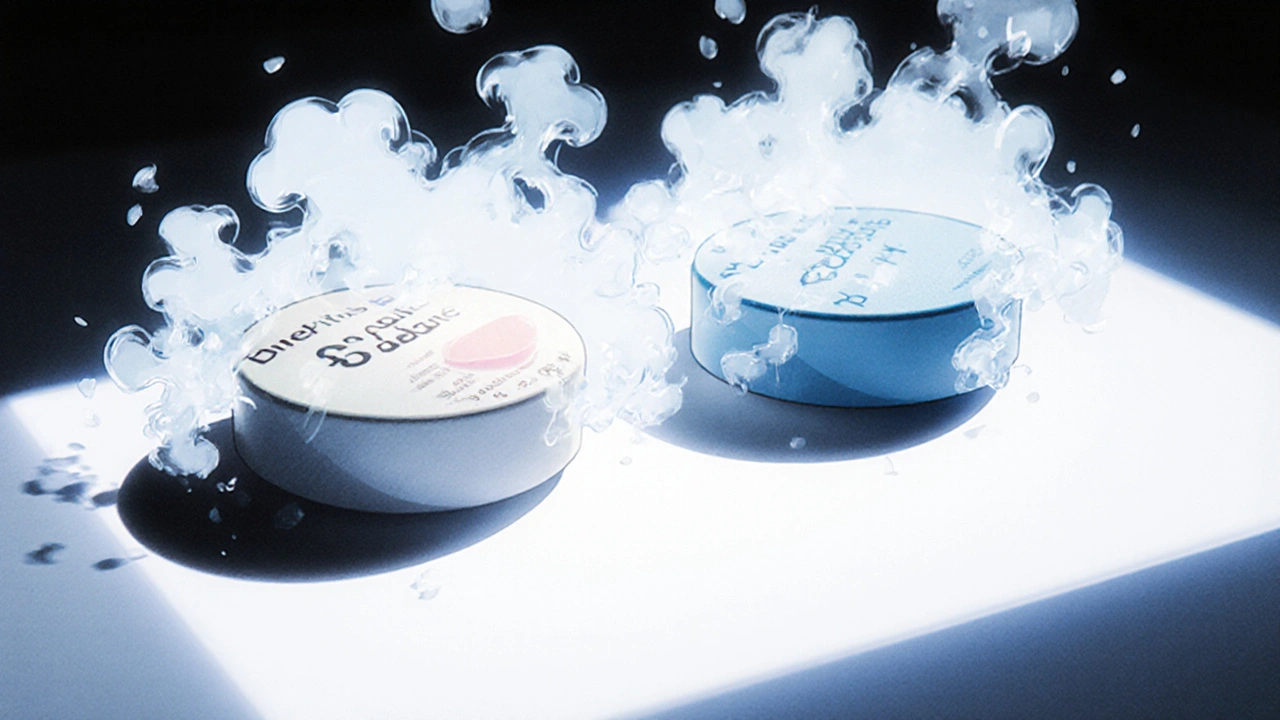
Generic drugs are just as effective as brand-name medications, with identical active ingredients and strict FDA testing. They save billions annually and are safe for most people - with rare exceptions for sensitive conditions.
Read More >>