
If your stomach feels off, you’re not alone. A sluggish gut can cause bloating, low energy, and even mood swings. The good news? Small changes in what you eat and how you live can turn things around fast. Below are practical steps you can start today, plus a quick look at foods and supplements that really help.
First, focus on the basics. Drink enough water – aim for at least eight glasses a day. Hydration keeps stool moving and helps the lining of your intestines stay smooth. Next, chew your food well. The more you break it down in your mouth, the easier it is for your gut enzymes to finish the job.
Regular movement matters too. A 20‑minute walk after meals speeds up digestion and reduces gas. If you sit at a desk all day, set a timer to stand up and stretch every hour. Even light activity can keep the gut muscles from getting lazy.
Stress is a hidden gut‑breaker. When you’re tense, the brain sends signals that can slow bowel movements. Try a quick breathing exercise: inhale for four seconds, hold for four, exhale for four, and repeat a few times. It’s simple, takes a minute, and can calm the gut‑brain loop.
Probiotic‑rich foods are a must. Yogurt, kefir, sauerkraut, and kimchi introduce friendly bacteria that crowd out the bad ones. Start with a small serving and watch how you feel – many people notice less bloating within a week.
Fiber is another cornerstone. Soluble fiber (found in oats, apples, and carrots) absorbs water and forms a gel that feeds good bacteria. Insoluble fiber (found in whole grains and nuts) adds bulk to stool, helping it move smoothly. Aim for 25‑30 grams of total fiber daily, but increase gradually to avoid sudden gas.
One supplement that often shows up in gut‑health talks is amalaki, also known as Indian gooseberry. It’s packed with vitamin C and antioxidants, and early research hints it can support the intestinal lining and reduce inflammation. A daily dose of 500 mg powder or a capsule is a convenient way to add it to your routine.
If you prefer a plant‑based boost, duckweed has emerged as a sustainable superfood. It’s rich in protein, essential amino acids, and a small amount of fiber. Adding a spoonful of dried duckweed powder to a smoothie can give your gut microbes extra fuel without a lot of calories.
Finally, don’t forget to limit foods that irritate the gut. Excess sugar, fried foods, and heavy alcohol can feed harmful bacteria and cause inflammation. Swapping a sugary snack for a handful of nuts or fresh fruit keeps the balance in check.
Putting these habits together creates a solid foundation for gut health. Start with one or two changes – maybe drink more water and add a probiotic snack – then build from there. Your gut will thank you with smoother digestion, steadier energy, and a calmer mood. Give it a try and notice the difference within days.
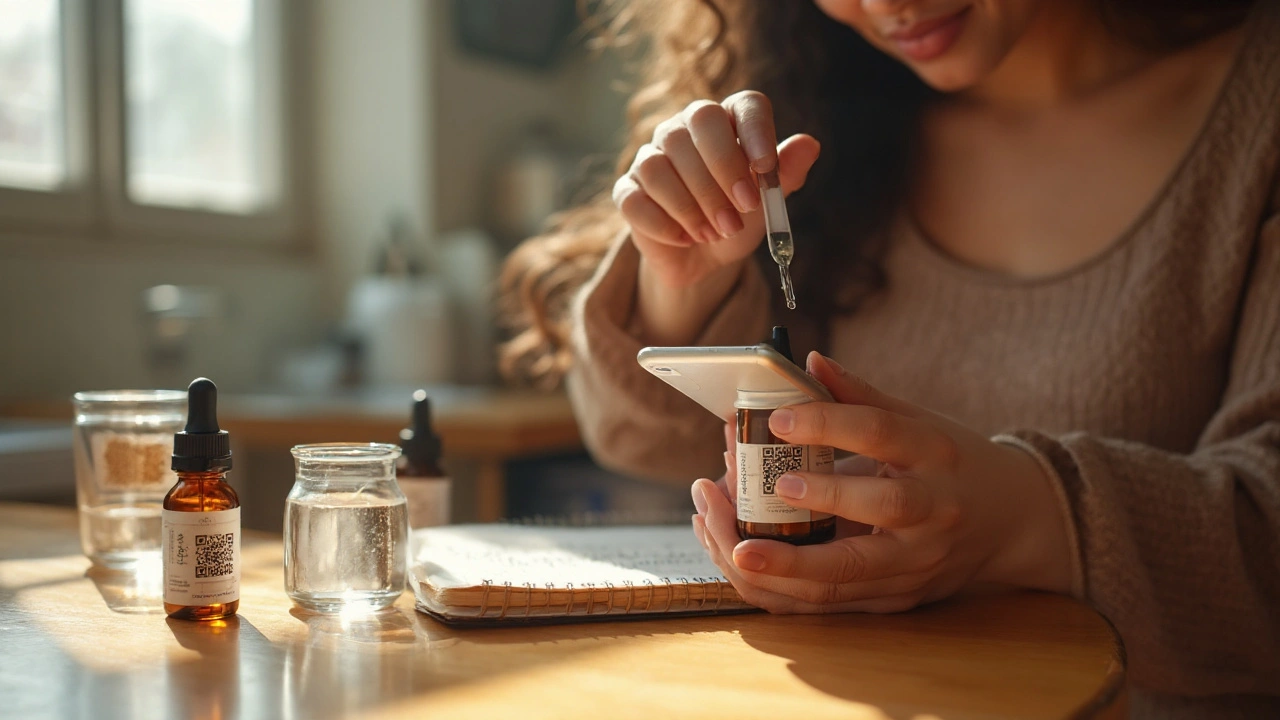
Curious about dragon’s blood? See what it is, real benefits, risks, UK legality, how to dose, and how to choose a quality product without wasting money.
Read More >>