
When the temperature climbs, your body works harder to stay cool—but some heat exposure drugs, medications that interfere with your body’s ability to regulate temperature or retain fluids. Also known as thermoregulatory disruptors, these drugs can turn a hot day into a medical emergency. It’s not just about drinking water. If you’re taking certain prescriptions or over-the-counter meds, your body might not sweat properly, your heart could be overworked, or you could become dangerously dehydrated without realizing it.
Many common drugs fall into this risky category. Antihistamines, like diphenhydramine found in Benadryl, block sweat glands and reduce your body’s cooling response. Diuretics, often prescribed for high blood pressure or heart conditions, make you pee more, which drains fluids you need to stay cool. Even antidepressants, especially SSRIs and tricyclics, can mess with your brain’s temperature control center. And don’t forget antipsychotics, which can cause heat intolerance and reduced sweating, increasing the risk of heat stroke. These aren’t rare side effects—they’re well-documented, especially in older adults and people with chronic conditions.
It’s not just about the drug itself—it’s about how it interacts with heat, sun, and activity. Someone on a diuretic might feel fine indoors, but step outside for 20 minutes to mow the lawn, and their body can’t keep up. A person on an antihistamine might not feel thirsty, even as they’re drying out. That’s why simply drinking more water isn’t always enough. You need to know if your meds are working against you. If you’re on any of these drugs and live in a hot climate, talk to your doctor. There are often safer alternatives. For example, switching from a first-gen antihistamine to a non-sedating one can cut your heat risk in half. Some beta-blockers are riskier than others in the heat. And if you’re on multiple medications, the combo can be worse than any single drug.
You’ll find posts here that break down exactly which drugs are most dangerous in the heat, what symptoms to watch for, and how to adjust your routine—or your meds—to stay safe. From how statins affect heat tolerance to why certain blood pressure pills require extra caution, these guides give you the real-world info you need. No fluff. No guesswork. Just clear, practical advice to help you or someone you care about avoid a heat-related hospital visit.
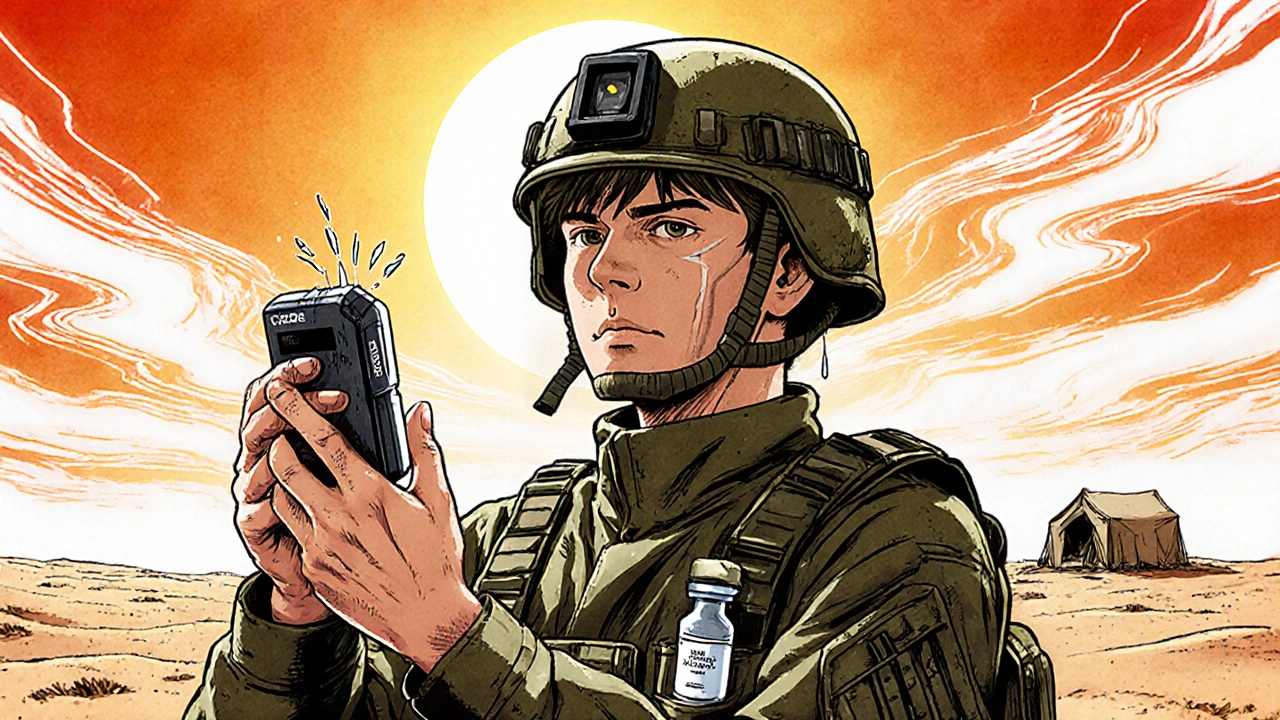
Military deployment exposes medications to extreme heat, power failures, and access delays that can render vaccines and life-saving drugs ineffective. Learn how the military tries-and often fails-to keep soldiers safe.
Read More >>