
When you pick up a prescription or buy over-the-counter medicine, you’re holding more than just a pill—you’re holding a traceable product. Lot numbers, unique codes assigned to each batch of medication produced at the same time. Also known as batch codes, they’re printed on the packaging and sometimes on the bottle itself. These aren’t random strings—they’re lifelines for safety, accountability, and quick action when something goes wrong. If a drug turns out to be contaminated, degraded, or mislabeled, regulators and manufacturers use the lot number to pull only the affected batches. That means fewer people are exposed to risk, and you’re less likely to be caught in a wide, unnecessary recall.
Lot numbers tie directly to medication safety, the system of checks and balances that ensures drugs work as intended and don’t harm patients. Think of it like a food expiration date, but for pills. Heat, humidity, or poor storage can break down active ingredients, especially during shipping or in hot climates. Military deployments, as seen in posts about vaccine storage in combat zones, show how critical this is. A lot number lets you or your pharmacist trace where that bottle came from, when it was made, and whether it’s part of a known issue. It’s also how you know if your insulin, statins, or antibiotics were made in the same batch as one that failed quality control.
And it’s not just about recalls. Drug traceability, the ability to follow a medication through every step of its journey from manufacturer to patient. is becoming more important as online pharmacies grow. If you buy generic Coumadin or lisinopril online, you need to know if the lot number matches what’s listed on the official manufacturer’s site. Scammers reuse fake packaging, but they can’t replicate real batch records. Checking the lot number against the manufacturer’s database is one of the fastest ways to spot a counterfeit. Even if you’re not buying online, it’s worth a quick look—especially if you’re on long-term meds like immunosuppressants or antipsychotics, where tiny variations can have big consequences.
When a drug has a pharmaceutical recall, a formal withdrawal of a product from the market due to safety or quality concerns. the news often mentions the lot number first. That’s because not every bottle is affected. If your prescription is recalled, your pharmacist can match your lot number to the list and tell you whether you need to return it. You don’t have to throw out all your pills—just the ones from the bad batch. And if you’ve ever wondered why your pills look slightly different this time, it might be a new lot. Manufacturers change suppliers, tweak formulations, or switch factories—all of which can show up in the lot code.
Lot numbers are your silent backup. They’re the reason your doctor can report a side effect and trace it back to a specific production run. They’re why you can call the pharmacy and say, ‘I have this bottle, lot #A23K9M—was there an issue?’ And they’re why, when you’re worried about your meds, you have a way to dig deeper than just trusting the label. Below, you’ll find real-world stories from people who used lot numbers to avoid harm, spot problems early, or understand why their medication changed. These aren’t theoretical—they’re life-saving details hiding in plain sight.
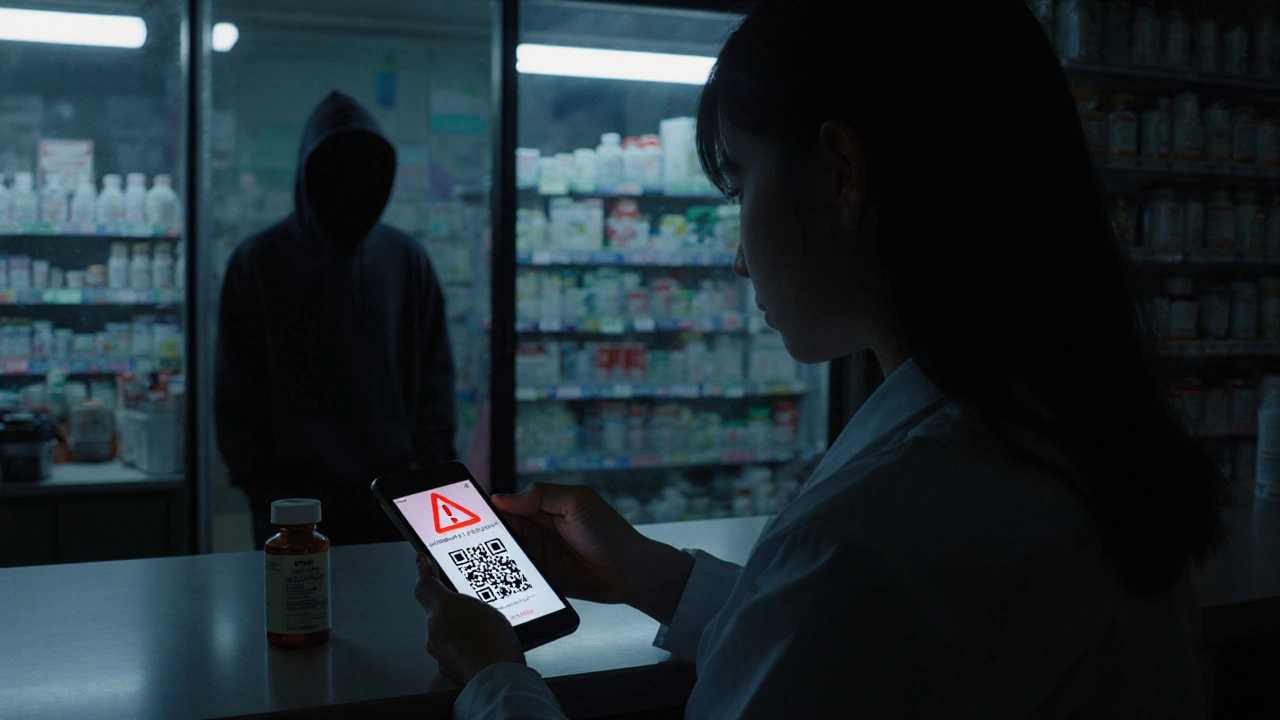
Lot numbers and serial codes are critical tools in stopping counterfeit drugs. Learn how track-and-trace systems verify medicine authenticity, prevent deadly fakes, and protect patients through precise, digital traceability.
Read More >>