
When you take a new medication, you’re relying on more than just clinical trials. Pharmacovigilance, the ongoing monitoring of drug safety after a medicine hits the market. Also known as post-market surveillance, it’s the quiet system that watches for side effects doctors didn’t see in trials—like rare liver damage from a popular painkiller, or heart rhythm issues that only show up in thousands of users. This isn’t guesswork. It’s data collection, analysis, and action—triggered by reports from patients, pharmacies, and hospitals.
Behind every drug recall or safety warning is a chain of reports that started with someone noticing something off. Adverse reactions, unexpected or harmful effects from a medication don’t always show up in controlled studies. That’s why pharmacovigilance exists: to catch what lab tests miss. A patient on a new blood thinner might develop unusual bruising. A teenager taking an antibiotic gets a severe skin rash. These aren’t just individual cases—they’re signals. When enough people report the same issue, regulators step in. The medication monitoring, the process of tracking how drugs behave in real populations turns scattered anecdotes into patterns. And those patterns lead to label changes, dosing warnings, or even removal from the market.
Think of pharmacovigilance as the body’s immune system for drugs. It doesn’t prevent all problems, but it reacts fast when something goes wrong. It’s why you see updates on prescription labels about new risks, or why your pharmacist asks if you’ve had any strange side effects. It’s why lot numbers on pill bottles matter—they help trace back a problem to a single batch. And it’s why reporting even small issues matters. Your report could be the one that saves someone else from a dangerous reaction.
What you’ll find in the posts below isn’t theory. It’s real-world examples of how drug safety plays out. From warfarin switches that throw off INR levels, to black box warnings that don’t mean stop taking the drug but mean pay attention, to how weight-based dosing errors in kids are prevented with better systems—these are all pieces of the pharmacovigilance puzzle. You’ll see how tracking lot numbers stops counterfeit drugs, why expiration dates aren’t just deadlines, and how insurance changes can quietly affect safety. This isn’t about fear. It’s about awareness. And knowing how the system works helps you stay safe—even when you’re not in a doctor’s office.
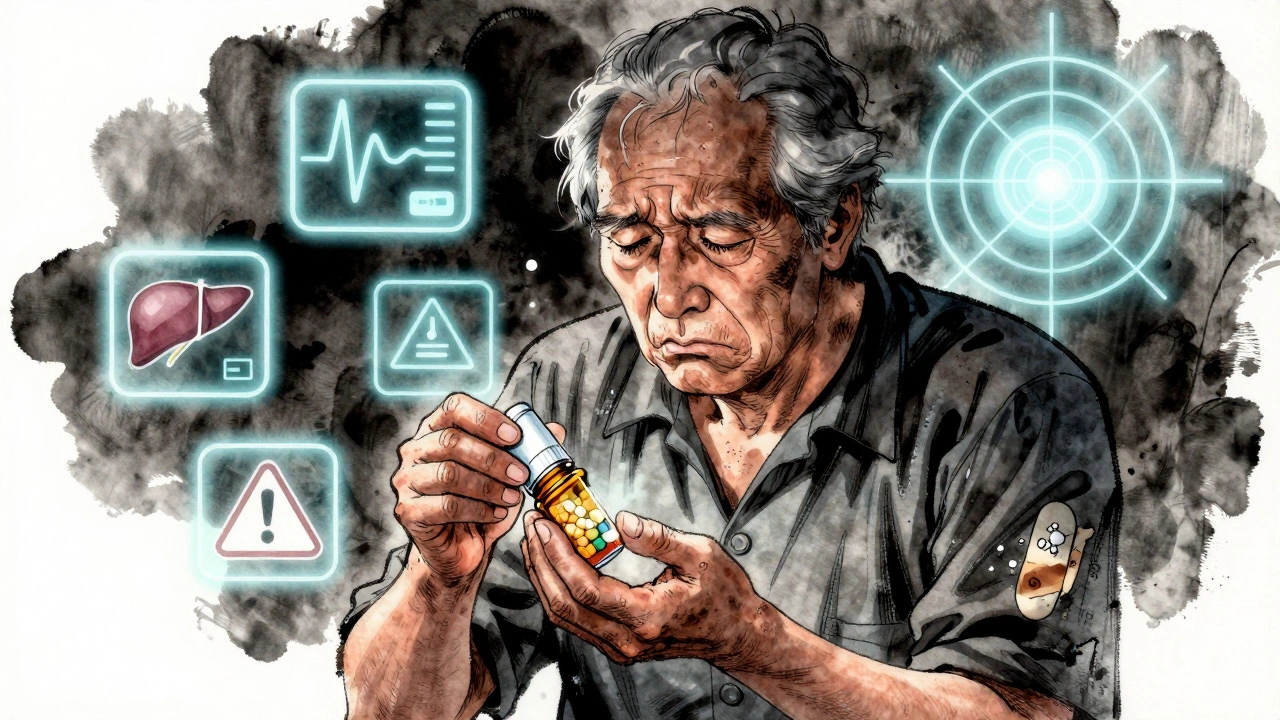
Post-market studies on generic drugs track safety after approval since these drugs aren't tested in large clinical trials. Learn how the FDA uses real-world data to catch hidden risks and what patients can do to stay safe.
Read More >>