
When a new drug gets approved, it doesn’t mean the safety check is over. Post-market surveillance, the ongoing monitoring of drugs after they’re sold to the public. Also known as pharmacovigilance, it’s how regulators and drugmakers spot problems that didn’t show up in clinical trials. Thousands of people take a drug in trials — but once millions start using it, rare side effects, dangerous interactions, or long-term risks can suddenly appear. That’s why post-market surveillance isn’t optional — it’s the last line of defense between a medicine and public harm.
This system relies on multiple sources: doctors reporting unusual reactions, patients filing complaints, pharmacy data showing spikes in side effects, and even social media chatter about unexpected symptoms. The FDA, the U.S. agency responsible for overseeing drug safety and the European Medicines Agency, Europe’s equivalent watchdog both run databases that collect these reports. They don’t wait for a crisis — they look for patterns. One case of liver damage? Not a big deal. But 50 cases linked to the same batch or same drug? That’s a red flag. These systems caught dangerous heart rhythms from certain antibiotics, severe skin reactions from older painkillers, and even rare blood clots tied to some COVID vaccines — all after the drugs were already on the market.
What you see in the news — drug recalls, safety alerts, boxed warnings — is often the result of this quiet, behind-the-scenes work. And it’s not just about big pharmaceuticals. Generic drugs, herbal supplements, and even over-the-counter pain relievers are tracked. A single pill might be fine for most people, but for someone with kidney disease, a hidden interaction could be deadly. That’s why knowing your meds, checking for recalls, and reporting side effects matters. You’re not just a patient — you’re part of the safety network.
Below, you’ll find real-world examples of how medication safety plays out in daily life: from how to spot a fake drug recall to why your pharmacist asks if you’re using another pharmacy. These aren’t theoretical guides — they’re the practical results of post-market surveillance in action. Whether you’re on blood thinners, statins, or just taking a daily vitamin, understanding how drugs are watched after they’re sold helps you stay safer.
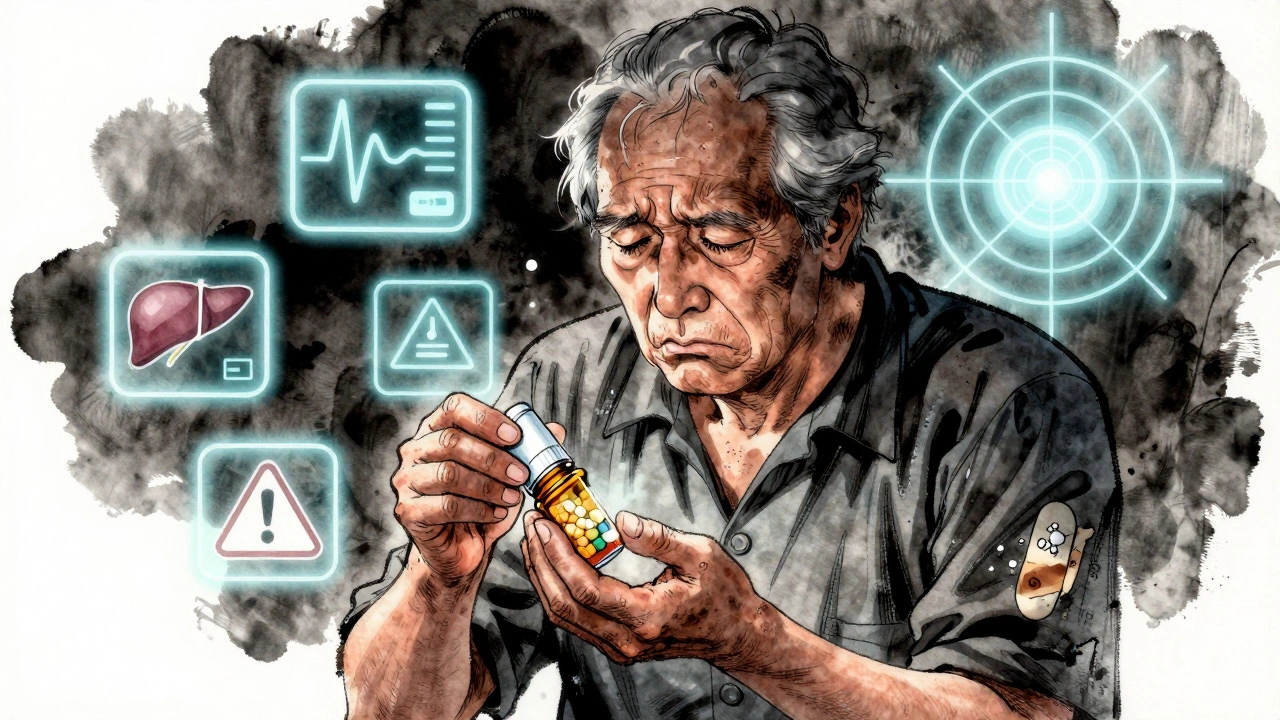
Post-market studies on generic drugs track safety after approval since these drugs aren't tested in large clinical trials. Learn how the FDA uses real-world data to catch hidden risks and what patients can do to stay safe.
Read More >>