
When you're pregnant, every medication you take matters—not just for you, but for your baby. Statin safety in pregnancy, the use of cholesterol-lowering drugs like atorvastatin or simvastatin during gestation. Also known as cholesterol medication during pregnancy, it's a topic that sparks real concern because these drugs are typically avoided when expecting, but not always for the reasons people assume. Statins work by blocking an enzyme your liver uses to make cholesterol. That’s great for adults with high LDL, but your developing fetus needs cholesterol too—it’s a building block for brain development, cell membranes, and hormones. That’s why most guidelines say to stop statins as soon as you know you’re pregnant.
But here’s what most people don’t realize: the risk isn’t always what you think. Animal studies show birth defects at very high doses, but human data from registries and case reports haven’t found a clear pattern of major malformations linked to statin exposure in the first trimester. The FDA classifies most statins as Category X, meaning the risks outweigh any potential benefits—but that’s based on older data and theoretical concerns, not solid proof of harm in humans. Fetal development, the process by which a baby’s organs and systems form during pregnancy is most sensitive between weeks 3 and 8, which is why doctors urge stopping statins before conception or right away if pregnancy is confirmed. Still, some women with severe inherited cholesterol disorders, like familial hypercholesterolemia, may need to weigh the risks of uncontrolled cholesterol against the unknowns of statin exposure. In those rare cases, specialists may consider alternatives or very careful monitoring.
Pregnancy drug risks, the potential harm medications can cause to a developing baby aren’t black and white. Many women worry about statins because they hear "teratogenic" or "birth defects," but the truth is, most women who accidentally took a statin in early pregnancy go on to have healthy babies. What matters more is managing the real danger: very high cholesterol during pregnancy can raise your risk of preeclampsia, preterm birth, or gestational diabetes. So if you’re on statins and planning a pregnancy—or just found out you’re pregnant—don’t panic. Talk to your doctor. They’ll help you switch to safer options like diet, exercise, or bile acid sequestrants like cholestyramine, which don’t cross the placenta. The goal isn’t to eliminate cholesterol entirely—it’s to keep it in a range that protects both you and your baby.
The posts below cover real-world cases, updated guidelines, and comparisons between cholesterol management strategies during pregnancy. You’ll find what works, what doesn’t, and what to ask your provider when you’re navigating this tricky space. No fluff. Just what you need to make smart, informed choices.
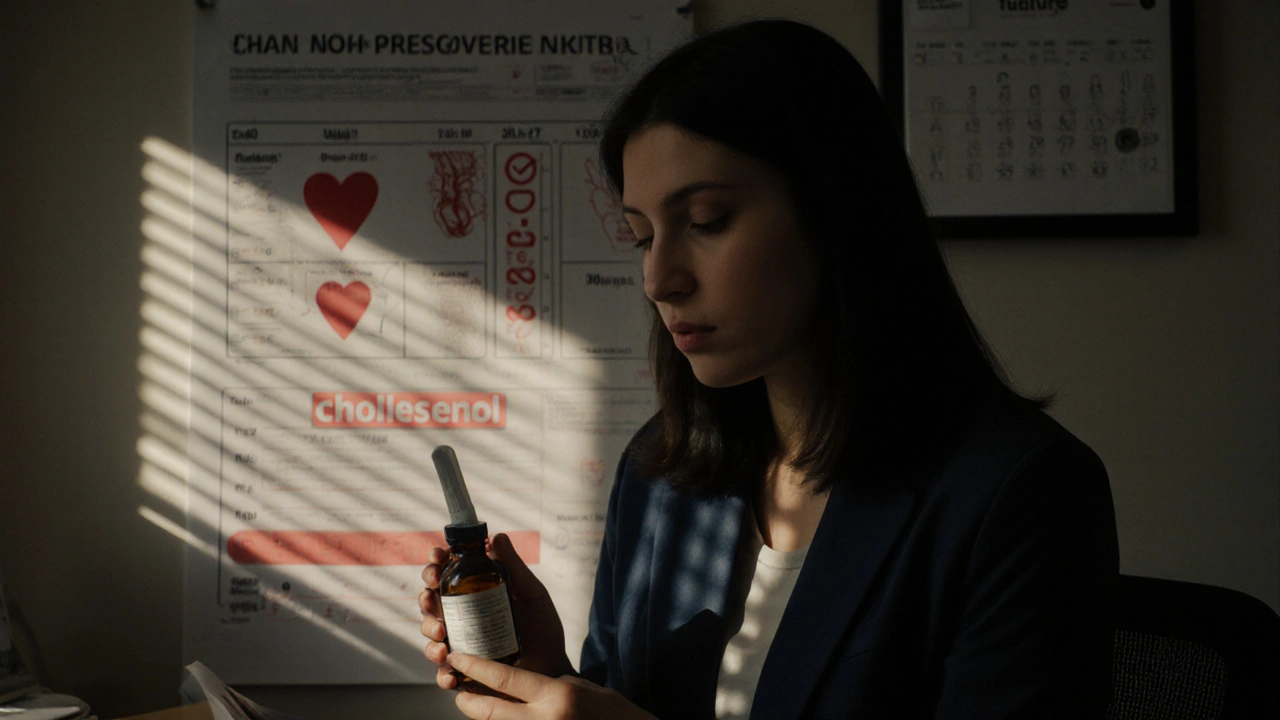
Statins were once strictly avoided in pregnancy, but new data shows they're unlikely to cause birth defects. Learn who should continue statins, who should stop, and how to plan for a healthy pregnancy with high cholesterol.
Read More >>