
When you pick up a prescription, you expect it to be real, effective, and safe. That’s not just luck—it’s thanks to track and trace, a system that logs every movement of a medicine from manufacturer to patient. Also known as drug serialization, it assigns unique codes to each package so it can be tracked across borders, warehouses, and pharmacies. Without it, counterfeit drugs could slip into the supply chain—drugs with no active ingredient, wrong dosage, or even toxic fillers. The World Health Organization estimates that 1 in 10 medical products in low- and middle-income countries are fake. Track and trace isn’t just a tech trend—it’s a lifeline.
These systems rely on pharmaceutical supply chain, the network of manufacturers, distributors, wholesalers, and pharmacies that move drugs to patients. Every time a box changes hands, its code is scanned and recorded. If something looks off—like a package that’s been tampered with or shipped from an unauthorized source—the system flags it. This isn’t just for big pharma. Even small online pharmacies must comply in many regions. The same technology that tracks your Amazon package now protects your insulin, antibiotics, and cancer drugs.
It’s not just about stopping fakes. supply chain security, the practice of protecting drug movement from theft, spoilage, and disruption matters too. Think about military deployments where vaccines spoil in heat, or rural clinics that lose power and can’t store insulin. Track and trace helps identify where delays happen, where temperature breaks occur, and which batches are at risk. During the pandemic, these systems helped prioritize vaccine delivery to areas with the worst shortages. They also let regulators recall bad batches fast—without shutting down entire drug lines.
What you won’t see is the quiet work behind the scenes: barcodes scanned at distribution centers, blockchain logs verifying authenticity, and databases that cross-check serial numbers against global registries. The U.S. Drug Supply Chain Security Act and the EU’s Falsified Medicines Directive forced these systems into place—but they’re now standard everywhere. Even generic drugs, bought cheap online, are now tracked. If a pharmacy can’t prove where a pill came from, it’s pulled from shelves.
And it’s not just about drugs. The same logic applies to vaccines, medical devices, and even over-the-counter supplements. If a batch of melatonin turns out to have heavy metals, track and trace finds every bottle. If a heart medication is recalled due to a carcinogen, you won’t get another one by accident.
What you’ll find in the posts below isn’t just theory. You’ll see how heat exposure in military zones breaks cold chains, how insurance and online pharmacies handle generic drugs, and how black box warnings and drug labeling rules tie into safety systems. You’ll learn how a single code on a pill bottle connects to global health, legal rules, and real human outcomes. This isn’t just logistics—it’s protection.
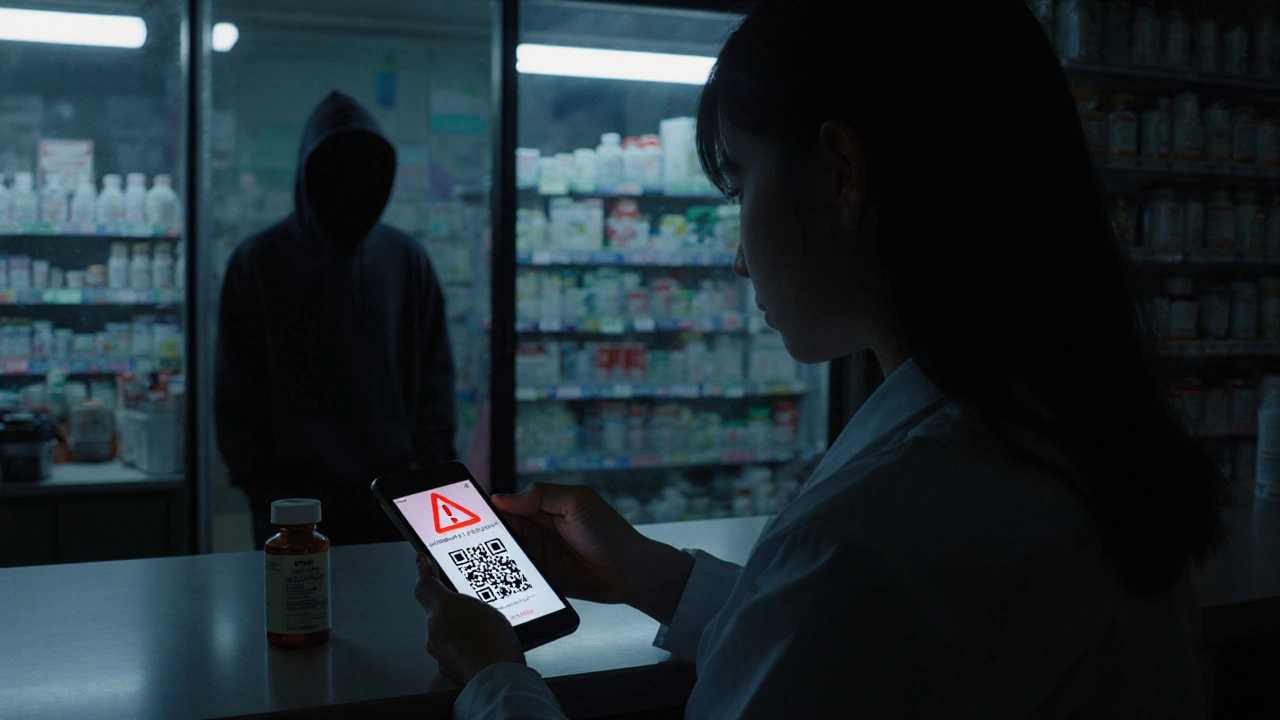
Lot numbers and serial codes are critical tools in stopping counterfeit drugs. Learn how track-and-trace systems verify medicine authenticity, prevent deadly fakes, and protect patients through precise, digital traceability.
Read More >>