

Theophylline Dose Adjuster Calculator
Adjust Your Theophylline Dose
This calculator helps determine safe theophylline dosing adjustments when taking interacting medications. Enter your patient details to see recommended dose changes and potential toxicity risks.
When a patient takes theophylline for asthma or COPD, even a small change in their other medications can push their blood levels into dangerous territory. The drug works well - but it’s unforgiving. A 15% drop in how fast the body clears it can turn a safe dose into a life-threatening overdose. This isn’t theoretical. It happens in real clinics, in real homes, and it’s often preventable.
Why theophylline is so tricky
Theophylline is an old drug, first made in 1888, but it still has a place in treating chronic lung diseases, especially where newer inhalers aren’t available or don’t work. It’s cheap. It’s effective. But it’s also narrow. The difference between helping and harming is tiny: 10 to 20 micrograms per milliliter in the blood. Go above 20, and you risk seizures, irregular heartbeat, vomiting, even death. Go below 10, and the patient gets no benefit.What makes it so fragile is how the body breaks it down. About 90% of theophylline is processed by one liver enzyme: CYP1A2. That enzyme doesn’t just handle theophylline - it processes caffeine, some antidepressants, and a handful of antibiotics. When something blocks CYP1A2, theophylline piles up. And because the metabolism isn’t linear - meaning doubling the dose doesn’t double the blood level - even small changes can cause big spikes.
Think of it like a clogged drain. The water (theophylline) keeps flowing in. But if the pipe (CYP1A2) gets half blocked, the tub fills up fast. And there’s no alarm. No warning. The patient feels fine until they suddenly collapse.
Medications that slow down theophylline clearance
Not all drugs affect theophylline the same way. Some barely move the needle. Others are like slamming the brakes.Fluvoxamine is the worst offender. This antidepressant, used for OCD and depression, cuts theophylline clearance by 40 to 50%. A 2022 study in the European Respiratory Journal found patients on both drugs had a 12.7 times higher risk of severe toxicity. The European Respiratory Society now says: don’t combine them. If a patient needs an SSRI, pick something else - sertraline or escitalopram are safer.
Cimetidine, an old heartburn drug still found in some OTC brands, reduces clearance by 25 to 30%. It’s not just a prescription drug - it’s in generic acid reducers. A 2021 study in Respiratory Medicine found cimetidine was involved in nearly 30% of all theophylline toxicity cases in hospitals. One case from Manchester: a 72-year-old man on 300 mg of theophylline daily started taking cimetidine for reflux. Three days later, he was in the ER with vomiting and a heart rate of 140. His theophylline level? 24.7 mcg/mL. He had no idea the two could clash.
Allopurinol, used for gout, cuts clearance by about 20%. It’s not as dramatic as fluvoxamine, but it’s common. Older patients with COPD often have gout too. A 1984 study showed a 600 mg daily dose of allopurinol needed a 20% theophylline dose reduction. Lower doses of allopurinol (300 mg) don’t have the same effect - so it’s not all-or-nothing. But many doctors don’t check. They just prescribe both and assume it’s fine.
Macrolide antibiotics like erythromycin and clarithromycin reduce clearance by 15 to 25%. They’re often used for chest infections in COPD patients. A 2023 review in StatPearls warns that even a 15% drop can push someone from 18 mcg/mL to 22 mcg/mL - right into the toxic zone. That’s why pulmonologists now say: if you’re giving clarithromycin to someone on theophylline, reduce the theophylline dose by 25% and check levels in 48 hours.
And then there’s furosemide, the water pill. Some studies say it lowers clearance by 10-15%. Others say nothing. The evidence is mixed. But in practice, many clinicians avoid combining them just to be safe.
What about smoking or age?
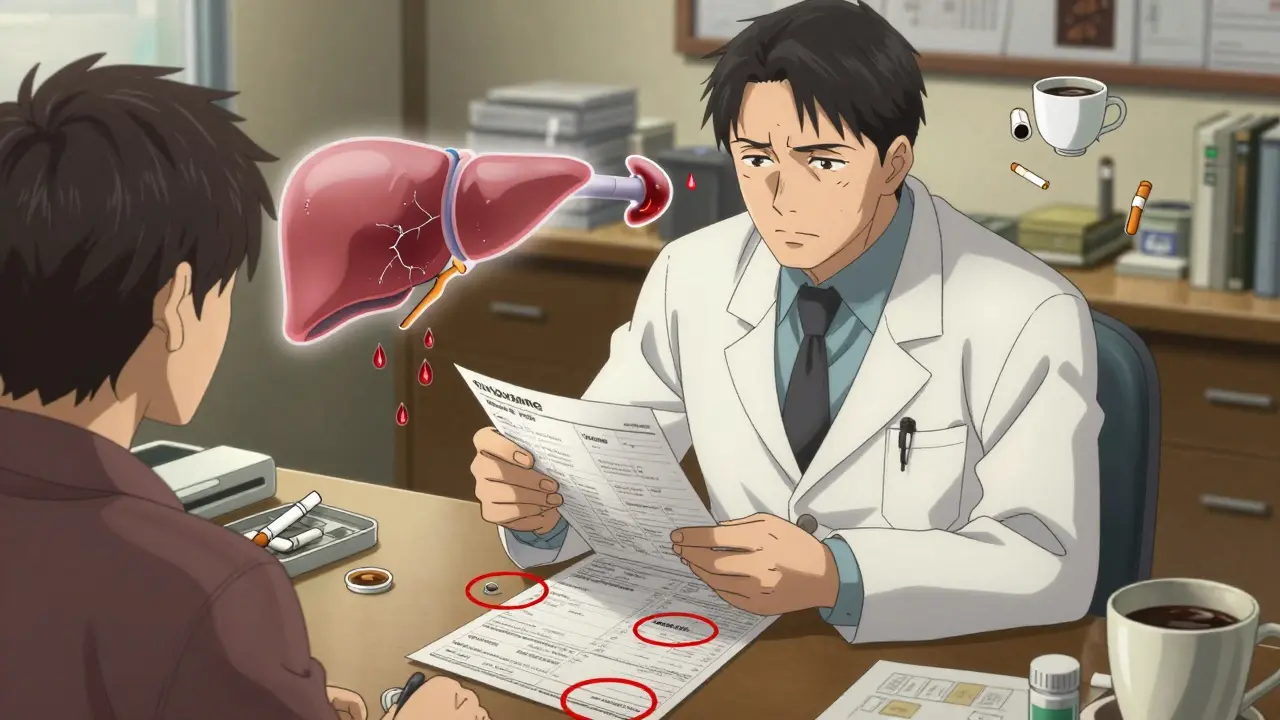
Smoking isn’t a drug - but it’s a powerful metabolic force. Cigarettes induce CYP1A2. Smokers clear theophylline faster. A healthy adult smoker might need 50% more theophylline than a non-smoker. But if they quit? The enzyme shuts down. Clearance drops 30 to 50% within two weeks. That’s a double risk: they stop smoking (good for lungs) but suddenly get toxic from the same dose they’ve been on for years.Age matters too. In people over 65, especially with heart failure, clearance can drop to 0.35 mL/kg/h - less than a third of what it is in a young, healthy person. The University of Lausanne’s pharmacokinetic database shows elderly patients need up to 40% lower doses. Yet, many still get standard adult doses.
What happens when levels rise
Toxicity doesn’t come with a sign. It creeps in. Nausea. Headache. Restlessness. Then tremors. Fast heartbeat. Seizures. Cardiac arrest.One 2023 survey of 412 UK pulmonologists found 78.6% had seen at least one serious interaction in the past year. In 62% of those cases, the electronic health record didn’t flag the danger. No alert. No warning. Just two prescriptions, printed side by side, and a patient who didn’t know to ask.
Pharmacists see it too. On Pharmacy Times forums, stories flood in: a woman on theophylline started fluoxetine for depression, didn’t tell her doctor, and ended up in ICU. A man on allopurinol for gout got theophylline for asthma - and vomited for three days. These aren’t rare. They’re predictable.

How to stay safe
There’s no magic trick. Just discipline.- Check every new medication. If you’re on theophylline, ask: does this affect CYP1A2? Fluvoxamine? Cimetidine? Clarithromycin? Allopurinol? If yes, assume interaction until proven otherwise.
- Reduce the dose upfront. When starting a CYP1A2 inhibitor, lower the theophylline dose by 25-50% immediately. Don’t wait for symptoms. Don’t wait for a blood test.
- Test levels within 48-72 hours. The American Association for Clinical Chemistry says this is non-negotiable. Blood levels should be checked after starting or stopping any interacting drug.
- Never assume ‘it’s just a little bit.’ A 15% drop in clearance can be enough. Theophylline doesn’t play fair. It’s not like blood pressure meds where you can wait and see.
- Consider alternatives. If a patient needs fluvoxamine or long-term cimetidine, switch theophylline to a long-acting beta agonist or a biologic. The risk isn’t worth it.
The National Institute for Health and Care Excellence (NICE) says it plainly: avoid theophylline in patients needing long-term cimetidine or fluvoxamine. And in the UK, 92.4% of respiratory specialists follow that rule.
The bigger picture
Theophylline use is dropping - by 62% in the U.S. since 2000. But the people still taking it? They’re often older, sicker, on more meds. That’s the group most at risk. And while newer inhalers are safer, they’re expensive. In parts of Africa and Asia, theophylline is still a lifeline.But here’s the truth: in wealthier countries, theophylline should be a last resort. Not because it doesn’t work - but because the cost of a mistake is too high. And too many mistakes are happening because we forget how sensitive it is.
There’s new hope. A 2023 pilot program in Pittsburgh used pharmacists to monitor theophylline patients. They checked drug lists, flagged interactions, adjusted doses. Hospitalizations dropped by 37%. That’s not luck. That’s systems working.
The future of theophylline isn’t in more prescriptions. It’s in smarter ones. In checking every new pill. In asking: what does this do to my liver? In listening to the numbers - not just the symptoms.
Because when it comes to theophylline, the only safe dose is the one you’ve measured.
Can I take ibuprofen with theophylline?
Yes, ibuprofen does not significantly affect theophylline metabolism. It doesn’t inhibit CYP1A2, so it’s generally safe. But always check with your doctor - especially if you’re taking high doses or have kidney issues, as both drugs can affect kidney function.
What happens if I miss a theophylline dose?
If you miss a dose, take it as soon as you remember - unless it’s close to your next dose. Never double up. Missing doses won’t cause toxicity, but it can make your symptoms worse. If you miss more than one dose, contact your doctor. Your levels might drop too low, especially if you’re on a tight dosing schedule.
Is theophylline still used today?
Yes, but much less often. It’s mainly used in resource-limited areas or for patients who don’t respond to inhalers. Global use has dropped by over 60% since 2000, but it still makes up 3.2% of COPD maintenance therapy worldwide - and up to 12.4% in parts of Africa. Its low cost keeps it in use where newer drugs are unaffordable.
Can caffeine affect theophylline?
Caffeine is chemically similar to theophylline and is also metabolized by CYP1A2. High caffeine intake (more than 4 cups of coffee a day) can compete for the same liver enzyme, potentially increasing theophylline levels. Patients on theophylline should limit caffeine and mention their daily intake to their doctor.
How often should theophylline blood levels be checked?
Check levels when starting the drug, after any dose change, and within 48-72 hours after starting or stopping any medication that affects CYP1A2 - like antibiotics, antidepressants, or gout drugs. Stable patients on no interacting drugs should be checked every 6-12 months. Always check after quitting smoking.
Are there any natural supplements that interfere with theophylline?
Yes. St. John’s Wort can increase theophylline clearance, lowering its effectiveness. Grapefruit juice may slightly reduce clearance, though evidence is weak. Herbal products are rarely tested, so always tell your doctor what you’re taking - even if it’s labeled ‘natural’ or ‘herbal.’
For patients still on theophylline, the key isn’t just knowing the drug - it’s knowing the people around it. Every pill, every habit, every change in routine matters. Theophylline doesn’t care about your intentions. It only responds to what’s in your blood. And that’s why vigilance isn’t optional - it’s the only thing keeping you safe.
Michael Dillon
December 23, 2025 AT 16:01Theophylline is a relic. We're still using a 19th-century drug because Big Pharma doesn't want to fund better alternatives for the poor. It's not about safety - it's about profit margins. If this were a drug for rich people with private insurance, we'd have phased it out decades ago.
Gary Hartung
December 25, 2025 AT 05:46Let’s be perfectly clear: theophylline is not a medication - it’s a pharmacokinetic minefield. The therapeutic window is narrower than the margin of error in a poorly calibrated spectrophotometer. And yet, we allow general practitioners to prescribe it without consulting a clinical pharmacologist? This isn’t medicine - it’s Russian roulette with a pulse oximeter.
Ben Harris
December 27, 2025 AT 01:24Everyone’s focused on fluvoxamine and cimetidine but nobody talks about the real villain - the EMR systems. They don’t alert you to interactions because the vendors didn’t pay the licensing fee to include the CYP1A2 database. It’s not the doctors’ fault. It’s the software. And the software is owned by a company that makes more money selling EHR modules than it does saving lives
Oluwatosin Ayodele
December 28, 2025 AT 19:25In Nigeria we still use theophylline because albuterol inhalers cost more than a week’s food. We don’t have pharmacists checking interactions. We have nurses who memorize the lists. If a patient is on clarithromycin we cut the dose by half and pray. This isn’t negligence - it’s adaptation. The West calls it dangerous. We call it surviving.
Jason Jasper
December 29, 2025 AT 19:22I’ve seen patients on theophylline for 20 years without issue. Then they get a cold, take some OTC cold meds, and boom - ER visit. It’s not that the drug is evil. It’s that we treat it like it’s aspirin. We need better education - for patients and providers. Maybe a simple handout: 'If you start a new pill, pause your theophylline and call your doctor.' Simple. Effective.
Linda B.
December 30, 2025 AT 00:55Did you know the FDA knew about the CYP1A2 interaction in 1987? They buried the data. The same people who approved fluvoxamine also sat on the advisory board for theophylline manufacturers. This isn’t an accident. It’s a calculated risk. They’d rather pay lawsuits than recall a $2 bottle of pills.
Christopher King
December 31, 2025 AT 13:47Theophylline is the last gasp of medical arrogance. We think we can control biology with numbers - 10 to 20 mcg/mL - as if the human body is a lab beaker. But the liver doesn’t care about your guidelines. It remembers every cigarette, every cup of coffee, every stress-induced cortisol spike. You’re not managing a drug - you’re negotiating with chaos.
Bailey Adkison
January 1, 2026 AT 09:39Stop calling it 'narrow therapeutic index.' It's a toxicological trap disguised as medicine. And the fact that 78% of pulmonologists have seen toxicity in the last year proves the system is broken. Not the drug. The system. If your EHR doesn't auto-flag CYP1A2 inhibitors when theophylline is active, you're not practicing medicine - you're playing bingo with patient lives.
Katherine Blumhardt
January 2, 2026 AT 19:53My uncle took theophylline for 15 years. He quit smoking and died in his sleep. The coroner said 'theophylline toxicity.' They never told him quitting would kill him. Now I check every single thing my family takes. Even vitamin D. I don't trust doctors. Or pills. Or labels.
sagar patel
January 3, 2026 AT 15:03Fluvoxamine interaction is well documented since 1994. Why are we still seeing cases? Because lazy prescribers don't check. Because patients don't know to say 'I take theophylline' when getting a new script. Because pharmacies don't train staff to ask. This isn't a pharmacology problem. It's a cultural one.
Winni Victor
January 4, 2026 AT 20:10So let me get this straight - we’re still using a drug that can kill you if you drink too much coffee and your doctor prescribes the wrong antibiotic, but we call it 'cheap and effective'? That’s not healthcare. That’s survival theater. We need to stop romanticizing old drugs and start funding real solutions.
Rick Kimberly
January 6, 2026 AT 16:30While the pharmacokinetic risks are well-established, the ethical imperative lies in equitable access. In low-resource settings, theophylline remains a vital, life-sustaining intervention. The solution is not abandonment - it is implementation of pharmacist-led monitoring programs, as demonstrated in Pittsburgh. We must not sacrifice access for safety - we must engineer safety into access.
Terry Free
January 7, 2026 AT 20:33Y’all are overcomplicating this. If you’re on theophylline, don’t take anything new without calling your doc. That’s it. No magic. No algorithms. Just communication. Stop blaming Big Pharma. Stop blaming EMRs. Stop being dramatic. Just. Talk. To. Your. Doctor.