
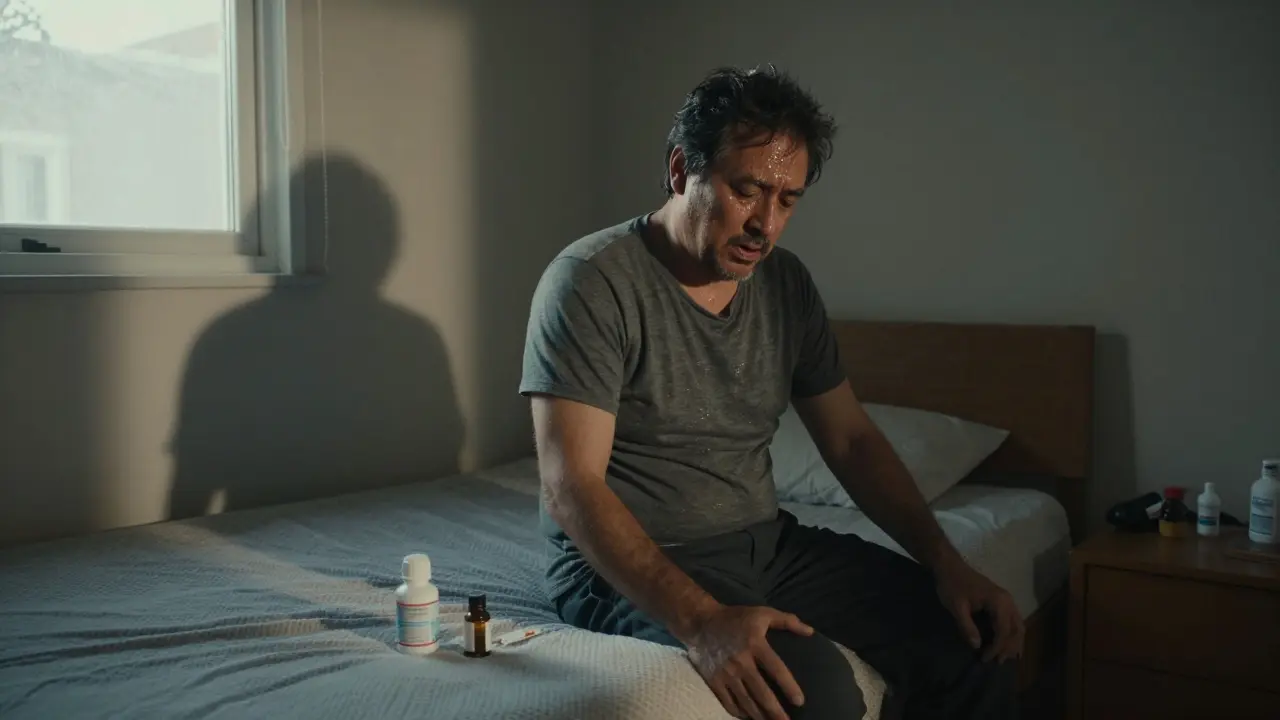
Tricyclic antidepressants (TCAs) aren’t the first choice for depression anymore - but they’re still in use. And for some people, they work when nothing else does. If you’ve been prescribed amitriptyline, nortriptyline, or another TCA, you’re probably wondering: what am I really signing up for? The truth? These drugs are powerful, but they come with a long list of side effects that can change your daily life. Some are annoying. Others are dangerous. And if you don’t know what to watch for, you could end up in the hospital.
How TCAs Work - And Why They Cause So Many Side Effects
TCAs like amitriptyline and nortriptyline were developed in the 1950s. Back then, they were a breakthrough. Today, they’re mostly used for three things: treatment-resistant depression, nerve pain (like diabetic neuropathy), and chronic migraines. They work by blocking the reabsorption of serotonin and norepinephrine in the brain, which helps lift mood. But here’s the catch - they don’t stop there.
These drugs also block other receptors in your body: cholinergic, histamine, and alpha-adrenergic receptors. That’s why you get side effects that have nothing to do with depression. Dry mouth? That’s cholinergic blockade. Drowsiness? Histamine. Dizziness when standing up? Alpha-blockade. It’s like hitting a whole wall of side effects with one pill.
Common Side Effects You Can’t Ignore
Most people on TCAs experience at least one of these common side effects - and often several.
- Dry mouth: Affects up to 30% of people taking amitriptyline. It’s not just uncomfortable - it leads to tooth decay, gum infections, and bad breath. Many patients go through multiple bottles of saliva substitutes like Biotene just to get through the day.
- Constipation: Slows down your gut. Around 20-25% of users struggle with this. Left untreated, it can lead to bowel obstruction - a medical emergency.
- Blurred vision: Happens in 15-20% of users. It usually improves over time, but for some, it lingers and makes driving or reading difficult.
- Urinary retention: Especially risky for men with enlarged prostates. 10-15% report trouble peeing. Some end up needing a catheter.
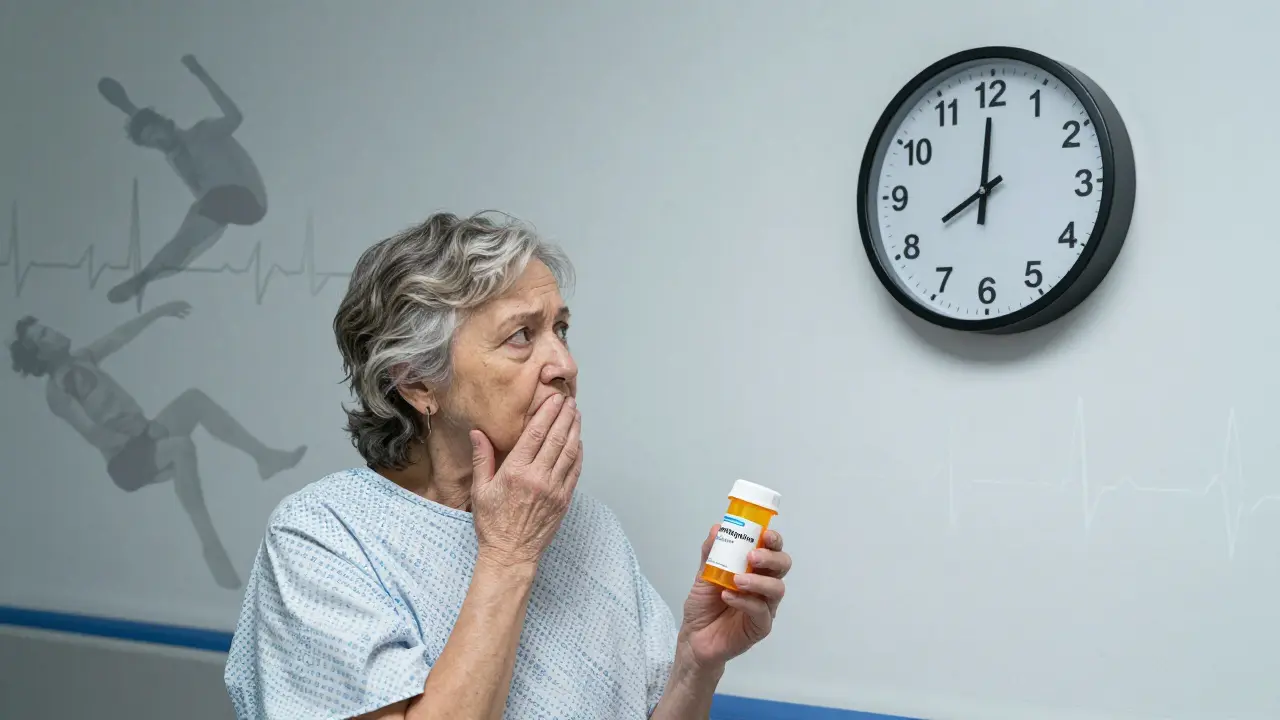
- Dizziness when standing: Called orthostatic hypotension. Your blood pressure drops suddenly when you stand up. This causes falls - and in older adults, that means broken hips.
- Sedation: Amitriptyline makes you sleepy. Up to 40% of users can’t get out of bed in the morning. Nortriptyline is slightly better - around 25% feel drowsy.
- Increased heart rate: Resting heart rate can jump 10-20 beats per minute. For some, this triggers palpitations or anxiety.
These aren’t rare. They’re the norm. And if you’re on one of these drugs, you’re likely dealing with at least two or three of them.
The Dangerous Side Effects - And Who’s at Highest Risk
Not all side effects are just annoying. Some can kill you.
TCAs have a narrow therapeutic index. That means the dose that helps you is very close to the dose that poisons you. Overdose is deadly. Symptoms include: seizures, dangerously low blood pressure, widened QRS complex on an ECG, and cardiac arrest. The CDC reports TCAs are among the most lethal antidepressants in overdose - more than SSRIs or SNRIs.
Cardiovascular risks are real. A 2019 study in The Lancet found TCAs increase the risk of heart events by 35% compared to newer antidepressants. They can lengthen the QTc interval - a measure of heart rhythm. When it goes too far, you risk a fatal arrhythmia called torsades de pointes. Amitriptyline can increase this interval by 20-40 milliseconds at normal doses.
Elderly patients are especially vulnerable. The 2023 Beers Criteria - the gold standard for safe prescribing in older adults - says to avoid amitriptyline completely in people over 65. Why? Because it increases the risk of:
- Confusion and disorientation (affects 25% of seniors on TCAs)
- Falls (70% higher risk than non-users)
- Hip fractures (2.3 times more likely)
- Cognitive decline (50% increased risk over time)
One study found that seniors on amitriptyline were 2.3 times more likely to suffer a hip fracture than those on other antidepressants. That’s not just a side effect - it’s a public health crisis.
Amitriptyline vs. Nortriptyline: Which Has Fewer Side Effects?
Not all TCAs are the same. Amitriptyline is the most prescribed - but also the most problematic. Nortriptyline is its metabolite, meaning your body turns amitriptyline into nortriptyline anyway. But nortriptyline is cleaner.
Here’s how they compare:
| Side Effect | Amitriptyline | Nortriptyline |
|---|---|---|
| Anticholinergic burden | Very high | Moderate |
| Sedation | Up to 40% | ~25% |
| Orthostatic hypotension | 20% | 12% |
| QTc prolongation | 20-40 ms increase | 10-20 ms increase |
| Weight gain | Common (10-15 lbs in 6 months) | Mild to moderate |
| Use in elderly | Not recommended | Preferred over amitriptyline |
Nortriptyline is often the better choice - especially for older adults or those with heart issues. It’s still a TCA, so it’s not risk-free. But it’s the least worst option in this class.
Why Doctors Still Prescribe Them
If TCAs are so risky, why do they still exist? Because they work - and sometimes, they’re the only thing that does.
A 2018 Lancet meta-analysis found that for people who failed two or more SSRIs or SNRIs, TCAs had a 65-70% response rate. That’s higher than any other class. Amitriptyline is especially effective for nerve pain. A Cochrane Review showed it gives at least 50% pain relief in 35-40% of people with diabetic neuropathy - compared to 20-25% with duloxetine.
For chronic migraine sufferers, amitriptyline can cut attacks from 15 per month to 3. That’s life-changing. One user on Healthgrades wrote: “After 10 years of daily migraines, this drug saved my life. The weight gain? Worth it.”
But here’s the reality: 45% of people stop TCAs within 8 weeks because of side effects. Only 25% quit SSRIs for the same reason. That’s a huge difference.
What You Should Do If You’re on a TCA
If you’re taking amitriptyline or nortriptyline, here’s what you need to do right now:
- Don’t stop suddenly. Withdrawal can cause electric shock sensations, nausea, anxiety, and insomnia. Taper slowly over 4-6 weeks under medical supervision.
- Take it at night. This minimizes daytime drowsiness and helps with sleep - which many TCAs improve.
- Stand up slowly. Sit on the edge of the bed for 30 seconds before standing. Prevents falls.
- Brush and floss daily. Use sugar-free gum or lozenges to fight dry mouth. See a dentist every 6 months.
- Get an ECG. Especially if you’re over 50, have heart disease, or are taking more than 100 mg daily.
- Watch for confusion. If you’re over 65 and suddenly forget names, get lost, or feel foggy, tell your doctor. It might be the drug.
- Track your weight. Gain more than 5 lbs in a month? Talk to your provider. Diet and exercise alone won’t fix this.
The Bottom Line
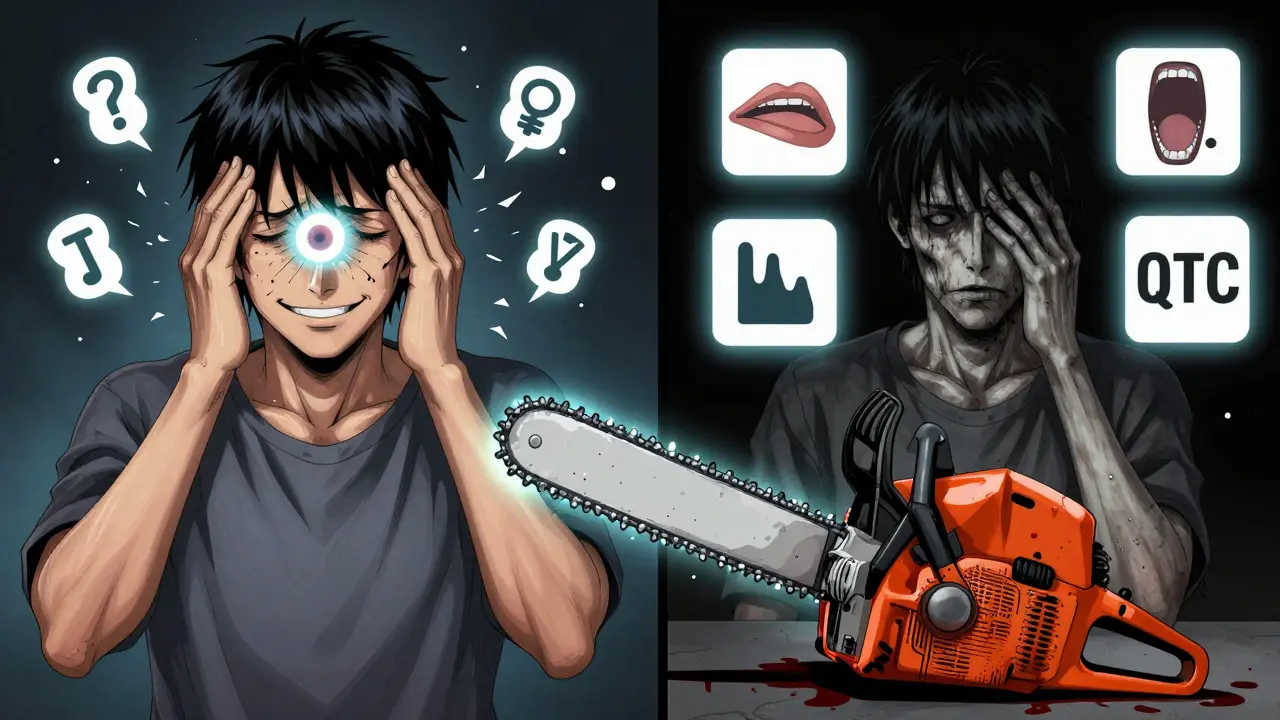
TCAs aren’t outdated - they’re specialized tools. But they’re like a chainsaw: powerful, precise, and dangerous if you don’t know how to use them.
If you’re young, healthy, and have tried everything else - and you have nerve pain or treatment-resistant depression - amitriptyline or nortriptyline might still be worth it. But if you’re older, have heart problems, or are already on other meds that affect your heart or brain - they’re probably not worth the risk.
And if you’re just starting out? Ask your doctor: “Is this really the best option for me - or just the easiest one to prescribe?” Newer treatments, like low-dose ketamine or combination therapy (SSRI + low-dose TCA), are showing promise. Don’t assume TCAs are your only choice.
They’re not. But if used carefully - with monitoring, awareness, and respect for their power - they can still change lives.
Are tricyclic antidepressants still prescribed today?
Yes, but rarely as a first option. TCAs like amitriptyline and nortriptyline are now used mainly for treatment-resistant depression, chronic nerve pain, or migraines - especially when newer drugs like SSRIs have failed. They account for only 5-7% of antidepressant prescriptions in the U.S. today, down from 30% in the 1990s. Their use is limited because of their side effect profile, but they remain effective for specific cases.
Is amitriptyline safer than nortriptyline?
No - nortriptyline is generally safer. Amitriptyline has stronger anticholinergic, sedating, and cardiovascular effects. It’s more likely to cause dry mouth, constipation, dizziness, weight gain, and QTc prolongation. Nortriptyline, which is a metabolite of amitriptyline, has lower affinity for these receptors. For older adults or those with heart conditions, nortriptyline is the preferred choice if a TCA is necessary.
Can TCAs cause heart problems?
Yes. TCAs can cause QTc prolongation, which increases the risk of dangerous heart rhythms like torsades de pointes. They also raise resting heart rate and can cause orthostatic hypotension - both of which strain the cardiovascular system. A 2019 study in The Lancet found TCAs increase the risk of heart events by 35% compared to SSRIs. ECG monitoring is recommended before and during treatment, especially at higher doses or in patients with existing heart disease.
Why are TCAs not recommended for seniors?
TCAs are strongly discouraged in older adults because of their high anticholinergic burden. This leads to confusion, memory problems, falls, and increased risk of hip fractures. The 2023 Beers Criteria specifically lists amitriptyline as a medication to avoid in patients over 65. Studies show a 70% higher fall risk and a 50% increased risk of cognitive decline over time. Even nortriptyline carries significant risk in this group - and alternatives like SSRIs or non-drug therapies are preferred.
How long does it take for TCAs to work?
It typically takes 2 to 4 weeks for TCAs to show full antidepressant effects. Pain relief may appear sooner - sometimes within 1-2 weeks. But many people stop taking them too early because they don’t feel better right away. This is a common reason for treatment failure. Patience is key, but so is monitoring for side effects during this period.
Can you overdose on amitriptyline?
Yes - and it’s extremely dangerous. TCAs have one of the highest fatality rates among antidepressants in overdose. Symptoms include seizures, severe low blood pressure, widened QRS complex on ECG, and cardiac arrest. A single overdose of 1 gram or more can be fatal. Emergency treatment requires hospitalization, often in intensive care. Never take more than prescribed, and keep the medication out of reach of children or anyone at risk of self-harm.
Do TCAs cause weight gain?
Yes, especially amitriptyline. Most users gain 10-15 pounds in the first 6 months due to increased appetite and slowed metabolism. Nortriptyline causes less weight gain, but it still happens. This is one of the most common reasons people discontinue treatment. If weight gain becomes a concern, discuss alternatives with your doctor - or consider lifestyle changes like diet and exercise to offset it.
Are there alternatives to TCAs for nerve pain?
Yes. Gabapentin and pregabalin are first-line options for diabetic neuropathy. Duloxetine (an SNRI) is also FDA-approved for this use. Topical treatments like lidocaine patches or capsaicin cream may help. For patients who don’t respond to these, low-dose amitriptyline is still considered effective - but only after safer options have been tried. Newer therapies like ketamine infusions or nerve stimulation are also being studied.
jared baker
March 16, 2026 AT 20:32Been on nortriptyline for 6 months for neuropathy. Dry mouth is brutal, but I use sugar-free gum and it’s manageable. Drowsiness? Yeah, I take it at night. No crashes. No falls. ECG was normal. If you’re young and healthy, it’s worth a shot. Just don’t ignore the side effects. Talk to your doc.
Also - yes, it works. I went from 12 migraines a month to 2. Life-changing. Not perfect, but better than the pain.
Don’t let fear stop you. Just be smart about it.
Michelle Jackson
March 17, 2026 AT 04:18People just don’t understand how dangerous these drugs are. You think it’s just dry mouth and drowsiness? No. It’s brain fog that never goes away. Memory loss. Confusion. I saw my aunt become a shell of herself on amitriptyline. She forgot her own birthday. And now she’s on dementia meds. This isn’t medicine - it’s chemical lobotomy with a prescription label.
Suchi G.
March 17, 2026 AT 18:01I’m from India and we have a lot of people here on TCAs because SSRIs are too expensive or not covered. My uncle took amitriptyline for 3 years for chronic back pain. He gained 30 pounds, couldn’t sleep, and had to be catheterized twice. We thought it was aging - turns out it was the drug. He switched to gabapentin last year and now he’s walking again, eating normally, laughing. I wish someone had told us earlier. TCAs are not a quick fix. They’re a gamble with your body. And in countries with poor healthcare access? That gamble is often forced on people who don’t even know the risks.
Doctors here just hand out scripts like candy. No counseling. No monitoring. Just ‘take this, come back in a month.’ That’s not care. That’s negligence.
Andrew Mamone
March 18, 2026 AT 06:06👏 This is one of the clearest, most balanced takes I’ve read on TCAs. Seriously. You broke down the science without jargon and didn’t sugarcoat the risks. I’ve been telling my patients for years: TCAs aren’t ‘old-school’ - they’re precision tools. Like using a scalpel instead of a hammer.
And yes - nortriptyline over amitriptyline every time for anyone over 50. QTc monitoring? Non-negotiable. ECG before starting? Mandatory.
Also - thanks for mentioning the 65+ Beers Criteria. Too many docs still prescribe amitriptyline to grandmas. We need better education.
MALYN RICABLANCA
March 18, 2026 AT 18:40OH MY GOD. I CAN’T BELIEVE YOU ACTUALLY WROTE THIS. I’M SO GLAD I’M NOT THE ONLY ONE WHO SEES THIS. I WAS ON AMITRIPTYLINE FOR 9 MONTHS. I LOST 20 POUNDS OF MUSCLE BECAUSE I COULDN’T STAND UP WITHOUT DIZZINESS. I HAD TO USE A WALKER. MY DOCTOR SAID ‘IT’S JUST SIDE EFFECTS, YOU’LL ADAPT.’ I ADAPTED TO A LIFE IN A WHEELCHAIR. I WAS 42. I DIDN’T NEED THIS. I NEEDED A DOCTOR WHO LISTENED.
AND NOW I HAVE CHRONIC DIZZINESS AND BLURRED VISION. NO ONE TOLD ME ABOUT THE QTc. NO ONE. I WASN’T EVEN 50. I WASN’T OLD. I WAS JUST A PERSON. AND THEY TREATED ME LIKE A NUMBER.
IF YOU’RE ON A TCA - STOP. NOW. GO TO A SPECIALIST. DON’T TRUST YOUR PCP. THEY DON’T KNOW WHAT THEY’RE DOING.
gemeika hernandez
March 20, 2026 AT 06:41I’m 68 and on nortriptyline for depression. I’ve had dry mouth, yes. Constipation? A little. But I sleep better than I have in 10 years. My mood is stable. I’m not falling. My ECG is fine. My doctor checked everything. This isn’t about fear. It’s about fit. For me? This drug saved my life. Stop scaring people. Not everyone’s a senior with heart disease. Some of us just need something that works.
Nicole Blain
March 20, 2026 AT 08:56So many people act like TCAs are evil… but honestly? They’re just old. Like a rusty tool that still works. I’m not saying they’re perfect - but if you’ve tried 5 other meds and nothing helped? Maybe it’s worth the trade-offs.
Also - nortriptyline is way better than amitriptyline. Don’t just default to the first one. Ask for the second. It’s not that hard.
Kathy Underhill
March 21, 2026 AT 23:11TCAs are not obsolete. They are underused. And overfeared.
The fear isn’t irrational - but it’s often misdirected.
What we need isn’t blanket avoidance. It’s better screening. Better monitoring. Better communication.
Not every elderly person is frail. Not every young person is invincible.
Medicine isn’t binary. It’s a balance.
Respect the risk. Don’t demonize the tool.
Srividhya Srinivasan
March 23, 2026 AT 04:22Who’s funding this article? Big Pharma? The AMA? The pharmaceutical industrial complex is pushing TCAs because they’re cheap. They don’t care if you’re confused, constipated, or in cardiac arrest. They care about profits. SSRIs cost more. TCAs cost pennies. That’s why they’re still prescribed. It’s not about efficacy - it’s about economics. And your doctor? They’re paid per script. Not per outcome.
They don’t want you to know this. But now you do.
Prathamesh Ghodke
March 23, 2026 AT 17:39My cousin took nortriptyline for 8 years. Got off it last year. Said it helped her depression, but the dry mouth made her feel like she was chewing sand. She started drinking more water, using a humidifier, and chewing gum. Made a huge difference. Not a magic fix - but small habits helped a lot.
Also - she switched to therapy. Combined it with walking 30 mins a day. Still feels good. No meds now.
Point is: TCAs can help. But they’re not the endgame. They’re a bridge. Don’t get stuck on the bridge.
Kendrick Heyward
March 25, 2026 AT 05:40They let you take this stuff without a heart scan? That’s insane. My cousin overdosed on amitriptyline. Ended up in ICU for 5 days. They said she ‘got lucky.’ LUCKY? She was 24. She didn’t even know how dangerous it was. Why aren’t there warning labels on the bottle? Why isn’t there a mandatory counseling session? This isn’t medicine. It’s Russian roulette with a prescription pad.
Ryan Voeltner
March 25, 2026 AT 06:02It is my professional opinion that the clinical utility of tricyclic antidepressants remains significant within carefully selected patient populations. While the adverse effect profile is indeed substantial, the magnitude of benefit in refractory conditions such as neuropathic pain and treatment-resistant depression cannot be dismissed. A risk-benefit analysis, individualized and longitudinal, remains paramount. Standardized monitoring protocols - including baseline and periodic ECG, renal and hepatic function, and cognitive screening - are not optional. They are foundational.
Moreover, the comparative efficacy data from meta-analyses must be contextualized within access, cost, and comorbidity variables. In resource-limited settings, TCAs remain a vital therapeutic option. Discontinuation is not always preferable to adaptation.
Lauren Volpi
March 25, 2026 AT 12:17Why are we still talking about this? In America, we have ketamine clinics. We have TMS. We have psilocybin trials. We’re letting people take 70-year-old poison pills because doctors are lazy and insurance won’t cover the real solutions. This isn’t medicine. It’s systemic failure. We’re treating depression like it’s a broken pipe - not a brain disorder.
And if you’re on this stuff? You’re not brave. You’re trapped.
Kal Lambert
March 26, 2026 AT 05:53Been on nortriptyline for 2 years. Dry mouth? Yeah. Drowsy? Sometimes. But I can finally work again. I have a job. I have friends. I’m not suicidal. That’s the real metric.
Don’t let fear stop you from living. Just be smart. Take it at night. Drink water. Get an ECG. Talk to your doctor.
It’s not perfect. But it’s better than the alternative.
Melissa Stansbury
March 27, 2026 AT 04:03I’m a nurse. I’ve seen 3 patients on TCAs with torsades de pointes. All of them were over 60. All of them had no ECG. All of them were told ‘it’s just a little dizziness.’ One died. Two are on permanent pacemakers.
Don’t ignore the QTc. Don’t assume you’re fine. Get tested. Ask for the rhythm strip. Demand it.
And if your doctor says ‘it’s fine’ without checking? Find a new one.