

A drug formulary is a list of prescription medications that your health insurance plan agrees to cover. It’s not just a catalog - it’s a tool that decides which drugs you can get at a low cost, which ones will cost you more, and which ones your plan might not cover at all. If you’ve ever been surprised by a high pharmacy bill or told you can’t fill your usual medication, chances are your drug formulary is why.
How a Drug Formulary Works
Your insurance company doesn’t cover every drug on the market. Instead, they work with Pharmacy Benefit Managers (PBMs) to build a list of medications that offer the best balance of safety, effectiveness, and price. This list is called a formulary. Think of it like a menu: you can choose from what’s on it, but if you want something off the menu, you’ll pay more - or maybe not get covered at all.
Formularies are updated regularly, sometimes even mid-year. A drug might move from one tier to another, or be removed entirely. That’s why checking your formulary every year during open enrollment isn’t just a good idea - it’s necessary.
The Tier System: What You Pay Depends on the Tier
Most formularies use a tier system to separate drugs by cost. The higher the tier, the more you pay out of pocket. Here’s how it typically breaks down:
- Tier 1: Generic Drugs - These are the cheapest. They’re chemically identical to brand-name drugs but cost far less. Most plans charge $0 to $10 for a 30-day supply. Examples include metformin for diabetes or lisinopril for high blood pressure.
- Tier 2: Preferred Brand-Name Drugs - These are brand-name medications your plan prefers because they’ve been proven effective and cost-effective. You’ll usually pay $25 to $50 per prescription, or 15-25% of the drug’s cost.
- Tier 3: Non-Preferred Brand-Name Drugs - These are brand-name drugs that aren’t on the preferred list. They cost more, and your share jumps to $50-$100 or 25-35% of the price. Your doctor might prescribe one of these, but your plan encourages you to try a Tier 2 drug first.
- Tier 4: Specialty Drugs - These are high-cost medications for serious conditions like cancer, multiple sclerosis, or rheumatoid arthritis. Copays can be $100 or more, and coinsurance can hit 30-50%. Some plans split this into Tier 4 and Tier 5, with Tier 5 reserved for the most expensive drugs - sometimes costing thousands per month.
Not all plans use five tiers. Some have three. Others use names like "Preferred Generic" or "Specialty Tier" instead of numbers. The key thing to remember: where a drug is placed on the formulary directly affects how much you pay.
Why Formularies Exist
You might wonder: why not just cover everything? The answer is cost control. Prescription drug spending in the U.S. hit $621 billion in 2023. Without formularies, insurance premiums would be even higher. Formularies help insurers negotiate lower prices with drug makers. They also ensure that patients get medications with strong clinical evidence behind them.
Each formulary is managed by a Pharmacy and Therapeutics (P&T) committee - a group of doctors, pharmacists, and other experts who review new drugs, clinical studies, and safety reports every few months. They decide what to add, remove, or move between tiers based on real-world data, not just marketing.
What Happens When Your Drug Isn’t on the List?
If your doctor prescribes a medication that’s not on your formulary, you’re looking at a problem. You have two choices: pay full price (which could be hundreds or even thousands of dollars), or ask for a formulary exception.
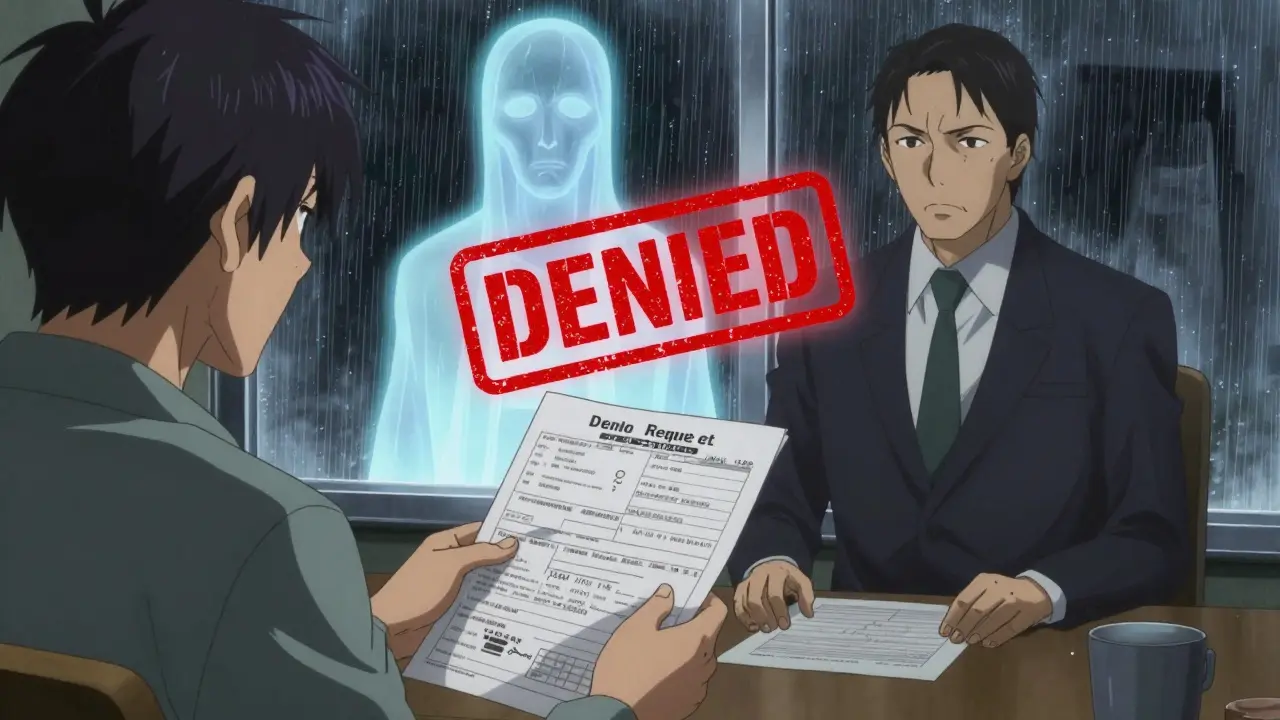
A formulary exception is a formal request to get coverage for a drug that’s not on the list. Your doctor must submit clinical documentation explaining why you need it - for example, if you had a bad reaction to all the alternatives. The insurance company reviews it and usually responds within 72 hours. In urgent cases, like if you’re hospitalized, they must respond within 24 hours.
In 2023, about 67% of Medicare Part D formulary exception requests were approved. But approval isn’t guaranteed. If your request is denied, you can appeal - but that process can take weeks.

Formularies Vary - Even Between Similar Plans
Here’s the tricky part: two Medicare Part D plans from different companies might cover the same drug - but put it on completely different tiers. One plan might list your insulin as Tier 1 (low cost). Another might list it as Tier 3 (high cost). That means your monthly bill could jump from $35 to $90 - just because you switched plans.
A 2022 Kaiser Family Foundation study found that identical medications could cost anywhere from $15 to $150 per month depending on the plan’s formulary. That’s why comparing formularies during open enrollment isn’t optional - it’s critical.
Even within the same insurer, different plan types (like HMOs vs. PPOs) can have different formularies. Always check the specific formulary for the plan you’re considering.
Restrictions You Might Not Know About
Formularies don’t just use tiers. They also use rules to control how drugs are used:
- Step Therapy - You have to try one or two cheaper drugs first before your plan will cover the one your doctor prescribed. For example, you might need to try two generic pain relievers before your plan covers a stronger prescription.
- Prior Authorization - Your doctor has to get approval from the insurer before you can get the drug. This often happens with specialty medications or drugs with safety risks.
- Quantity Limits - Your plan might only cover a 30-day supply, even if your doctor prescribed a 90-day supply. You’ll have to pay extra for the rest, or go through another approval process.
These rules are meant to prevent waste and misuse - but they can also delay treatment. If you’re switching plans, ask: "What restrictions apply to my medications?" Don’t assume your current plan’s rules will carry over.
What’s New in 2024-2025
Several big changes are happening right now:
- Insulin cap - Since 2023, Medicare Part D plans cap insulin at $35 per month. This applies to all insulin products on the formulary.
- Out-of-pocket cap - Starting in 2025, Medicare Part D will cap total out-of-pocket spending on drugs at $2,000 per year. This will change how people manage high-cost medications.
- Biosimilars - More biosimilar drugs (lower-cost versions of biologics) are being approved. By 2027, they could cut costs by 15-30% for drugs like Humira or Enbrel.
- AI-driven formularies - Some PBMs are testing AI tools that predict which drugs work best for specific patients - not just based on cost, but on medical history, genetics, and past responses.
What You Should Do Now
If you’re on Medicare: Use the Medicare Plan Finder tool (updated every October) to compare formularies for next year. Enter your exact medications, dosage, and pharmacy. The tool will show you which plan gives you the lowest out-of-pocket cost.
If you have private insurance: Log in to your insurer’s website and search for "formulary" or "preferred drug list." Download the PDF. Check your medications. Look for any restrictions.
Always verify your drug’s status at the time you fill the prescription. Formularies change. A drug that was on Tier 1 last month could be moved to Tier 3 next month. And if you’re switching medications because of cost - tell your doctor. They might be able to prescribe an alternative on a lower tier.
Real Stories: What Patients Are Saying
"My diabetes medication moved from Tier 2 to Tier 3. My monthly cost jumped from $35 to $85. I had to switch - and my A1C went up for a while." - Reddit user, June 2024
"My cancer drug was on Tier 4. The list price was $5,000. My copay was $95. Without that formulary placement, I couldn’t have stayed on treatment." - Patient Advocate Foundation, May 2024
"I didn’t know about step therapy. My doctor prescribed a painkiller. I was told I had to try three cheaper ones first. I waited six weeks. My pain got worse." - Survey respondent, 2023
These aren’t rare cases. In fact, 42% of insured adults say they’ve switched medications because of formulary changes. And 31% have been denied coverage because their drug wasn’t on the list.
Bottom Line
A drug formulary isn’t just insurance jargon. It’s a living document that affects your health, your wallet, and your daily life. Understanding it means you can avoid surprise bills, fight for access when needed, and make smarter choices during enrollment. Don’t wait until you’re at the pharmacy counter. Check your formulary before you need it. Ask questions. Advocate for yourself. Your health depends on it.
What’s the difference between a formulary and a drug list?
There’s no difference. "Formulary" and "drug list" are used interchangeably. Some insurers call it a "Preferred Drug List" (PDL), others say "formulary." It’s the same thing: the list of medications your plan covers.
Can my insurance change my formulary during the year?
Yes. While most formularies are updated annually, insurers can make changes at any time. But they must give you at least 60 days’ notice before removing a drug or moving it to a higher tier. If you’re taking a drug that’s being removed, your plan must give you a 30-day transition supply to help you switch safely.
Why do some drugs cost more even if they’re the same as others?
Two drugs might have the same active ingredient - but one is branded, and one is generic. Brand-name drugs cost more because the manufacturer holds a patent. Even among generics, some are priced higher based on supply, competition, or how well they’re negotiated into the formulary. The key is: your formulary determines which version your plan prefers - and that’s what affects your price.
Is there a way to get a drug that’s not on my formulary without paying full price?
Yes. You can request a formulary exception. Your doctor must submit paperwork explaining why you need it - for example, if other drugs caused side effects or didn’t work. If approved, your plan will cover it at the same cost as a similar drug on the list. About two-thirds of these requests are approved.
Do all insurance plans have formularies?
Yes. Virtually all private insurance plans, Medicare Part D, and Medicaid programs use formularies. The only exceptions are some very limited plans, like short-term health insurance, which often don’t cover prescription drugs at all.
Kal Lambert
March 19, 2026 AT 01:14Melissa Starks
March 20, 2026 AT 13:16Ryan Voeltner
March 21, 2026 AT 08:26Linda Olsson
March 22, 2026 AT 17:27Amadi Kenneth
March 23, 2026 AT 11:00Michelle Jackson
March 24, 2026 AT 14:07Melissa Stansbury
March 24, 2026 AT 19:42Ayan Khan
March 26, 2026 AT 13:17Shameer Ahammad
March 27, 2026 AT 21:27Emily Hager
March 29, 2026 AT 16:24Suchi G.
March 31, 2026 AT 14:39