

Corticosteroid Side Effect Risk Assessor
Complete your treatment profile and click "Assess My Risk Level" to see personalized recommendations.
Imagine waking up with swollen joints that make it impossible to hold a coffee cup. Your doctor prescribes corticosteroids, specifically prednisone, which is a synthetic medication that mimics cortisol to rapidly reduce inflammation in the body. Within hours, the pain vanishes. You can breathe easier, move freely, and feel like yourself again. But weeks later, you notice your face looking rounder, your energy crashing by mid-afternoon, and your mood swinging wildly from euphoria to irritability. This is the double-edged sword of steroid therapy.
Corticosteroids are powerful tools in modern medicine, saving lives in acute asthma attacks and managing chronic autoimmune diseases like rheumatoid arthritis and lupus. However, they come with a heavy price tag in terms of side effects if not managed correctly. The goal isn't just to survive the treatment but to thrive during it. By understanding the specific risks and implementing targeted supportive therapies, you can significantly reduce the burden of these medications while keeping their benefits intact.
Understanding the Mechanism Behind the Side Effects
To manage side effects effectively, you first need to understand why they happen. Corticosteroids work by binding to glucocorticoid receptors in your cells, which turns off the genes responsible for inflammation. Unfortunately, these receptors are everywhere in your body-not just in inflamed tissues. When you take oral steroids like prednisone or methylprednisolone, the drug circulates systemically, affecting your bones, muscles, skin, and metabolism simultaneously.
The severity of side effects depends largely on two factors: dose and duration. Short-term use (less than three weeks) typically causes temporary issues like insomnia or increased appetite. Long-term use (more than three months), especially at doses above 7.5 mg of prednisone equivalent daily, leads to more serious complications. According to data from the Oxford Academic review published in Endocrine Reviews in 2023, approximately 2% to 3% of the general population uses systemic glucocorticoids, making this a widespread public health concern. The key insight here is that there is no completely "safe" dose for long-term use, as noted by experts at Massachusetts General Hospital. Therefore, proactive management is non-negotiable.
Bone Health: Preventing Steroid-Induced Osteoporosis
One of the most dangerous yet silent side effects of corticosteroids is bone loss. These drugs interfere with calcium absorption in the gut and increase calcium excretion through urine, leading to weaker bones. This condition, known as glucocorticoid-induced osteoporosis, accounts for about 200,000 fractures annually in the United States alone.
You cannot wait for a fracture to start protecting your bones. If you are prescribed steroids for more than three months, you should immediately begin a bone-protection protocol. The Hospital for Special Surgery recommends the following baseline support:
- Calcium Supplementation: Aim for 1,200 mg of elemental calcium daily. This can come from diet (dairy, leafy greens) but often requires supplements to reach the target.
- Vitamin D: Take 800-1,000 IU of Vitamin D3 daily to help your body absorb that calcium.
- Bisphosphonates: For high-risk patients (post-menopausal women, older adults), doctors may prescribe medications like alendronate to prevent bone breakdown.
Additionally, incorporate weight-bearing exercises into your routine. Walking, jogging, or resistance training signals your bones to stay strong. A DEXA scan to measure bone density should be performed before starting long-term therapy and repeated every one to two years to monitor progress.
Mitigating Weight Gain and Fluid Retention
Weight gain is perhaps the most visible and frustrating side effect. It stems from two mechanisms: increased appetite due to hormonal changes and fluid retention caused by sodium buildup. Many patients report gaining 10-30 pounds in just a few months, despite strict dieting. This isn't a failure of willpower; it's biology.
To combat this, focus on dietary adjustments that address the root cause. Reduce your sodium intake to less than 2,300 mg per day, ideally aiming for under 1,500 mg. Avoid processed foods, canned soups, and salty snacks. Instead, cook with herbs and spices for flavor. Potassium-rich foods like bananas, spinach, and sweet potatoes can help balance sodium levels and reduce swelling.
Regarding calorie control, prioritize protein and fiber. These nutrients keep you fuller for longer, countering the intense hunger pangs steroids often cause. Limit simple carbohydrates and sugars, as steroids can impair insulin sensitivity, leading to blood sugar spikes that promote fat storage. Regular monitoring of your weight can also provide early warnings if fluid retention becomes excessive.
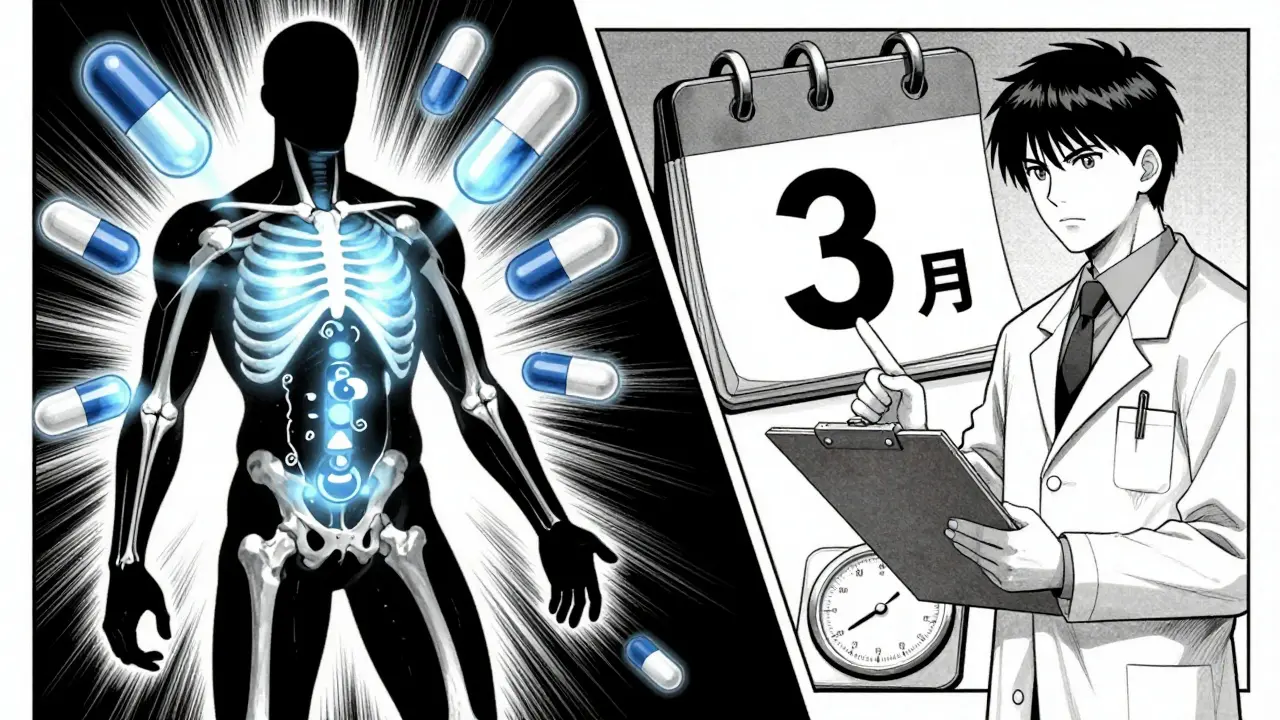
Managing Blood Sugar and Diabetes Risk
Corticosteroids raise blood glucose levels by promoting gluconeogenesis (the production of new glucose) in the liver and reducing the body's ability to use insulin effectively. This can lead to steroid-induced diabetes, affecting 10-20% of long-term users. Even if you don't have diabetes, your risk increases significantly.
If you are on long-term therapy, your doctor should check your fasting blood glucose at baseline and every three months. An HbA1c test every six months provides a broader view of your average blood sugar control. Dietary strategies here mirror those for general diabetes prevention: limit refined carbs, choose whole grains, and spread carbohydrate intake evenly throughout the day to avoid spikes.
For some patients, medication may be necessary. Metformin is sometimes used off-label to improve insulin sensitivity in steroid users. Never stop taking steroids abruptly to fix blood sugar issues, as this can trigger adrenal crisis. Work closely with an endocrinologist to find a safe balance.
Cardiovascular Health and Blood Pressure Control
Hypertension is another common companion to steroid therapy, occurring in 30-40% of long-term users. The combination of fluid retention and increased vascular sensitivity raises blood pressure, straining your heart and kidneys.
Monitor your blood pressure at home weekly during dose escalation and monthly during maintenance. Use a validated upper-arm cuff monitor for accuracy. If readings consistently exceed 140/90 mmHg, consult your doctor. They may adjust your steroid dose or add antihypertensive medications. Lifestyle changes remain crucial: maintain a low-sodium diet, engage in regular aerobic exercise, and manage stress through techniques like mindfulness or yoga.

Mood, Sleep, and Mental Well-being
The impact of corticosteroids on mental health is profound and often underestimated. Patients frequently experience insomnia, anxiety, irritability, and even manic episodes or depression. One Reddit user described feeling like an "emotional wreck," crying over minor inconveniences. This is due to the drug's effect on neurotransmitters in the brain.
To manage sleep disturbances, try taking your entire daily dose in the morning. This aligns with your body's natural cortisol rhythm, which peaks in the early hours. Avoid caffeine after noon, as steroids already heighten alertness. Establish a calming bedtime routine: dim lights, no screens, and perhaps gentle stretching.
For mood swings, communication is key. Tell your family and friends that your irritability is a side effect, not a reflection of your feelings toward them. Seek support from therapists familiar with medical conditions if anxiety or depression becomes overwhelming. In severe cases, short-term anti-anxiety or antidepressant medications may be prescribed to bridge the gap until the steroid dose is reduced.
The Critical Importance of Tapering
Never stop corticosteroids abruptly. Long-term use suppresses your adrenal glands' natural production of cortisol. Stopping suddenly can lead to adrenal insufficiency, a life-threatening condition characterized by fatigue, dizziness, nausea, and low blood pressure.
Tapering must be gradual. A typical schedule involves reducing the dose by 2.5-5 mg every 3-7 days when above 20 mg daily. As you drop below 20 mg, reductions become smaller-often 1 mg every 1-2 weeks. This slow process allows your adrenal glands to wake up and resume normal function. During illness or surgery, you may need "stress-dose" steroids temporarily, so always carry a steroid emergency card.
| Side Effect | Primary Intervention | Dietary/Lifestyle Adjustment | Monitoring Frequency |
|---|---|---|---|
| Osteoporosis | Calcium + Vitamin D supplements | Weight-bearing exercise | DEXA scan every 1-2 years |
| Weight Gain | Sodium restriction (<2,300 mg) | High-protein, high-fiber diet | Weekly weigh-ins |
| Hyperglycemia | Blood glucose testing | Limit refined carbs/sugars | Fasting glucose every 3 months |
| Hypertension | Antihypertensives if needed | Low-sodium diet, aerobic exercise | Monthly BP checks |
| Insomnia/Mood | Morning dosing | Avoid caffeine, sleep hygiene | Self-assessment daily |
Future Directions and Personalized Medicine
Research is actively seeking ways to separate the therapeutic benefits of steroids from their harmful side effects. Selective Glucocorticoid Receptor Modulators (SEGRMs) like vamorolone are in clinical trials, showing promise in reducing inflammation without impacting bone metabolism as severely. Additionally, genetic testing may soon allow doctors to tailor steroid doses based on individual sensitivity, minimizing risks while maximizing efficacy.
Until these advanced therapies become widely available, the best defense is a comprehensive, proactive approach. By combining medical supervision with disciplined lifestyle choices, you can navigate corticosteroid therapy with greater confidence and fewer complications. Remember, the goal is not just to treat the disease but to preserve your quality of life throughout the journey.
How long does it take for corticosteroid side effects to go away?
Most mild side effects like insomnia, mood swings, and increased appetite improve within days to weeks after stopping or significantly reducing the dose. However, metabolic changes like weight gain and bone density loss may take months to reverse and require ongoing management even after discontinuation. Adrenal function typically recovers within 6 to 12 months after long-term use.
Can I drink alcohol while taking prednisone?
It is generally advised to limit or avoid alcohol while on corticosteroids. Both substances can irritate the stomach lining, increasing the risk of ulcers and gastrointestinal bleeding. Alcohol also adds empty calories, exacerbating weight gain, and can interact with other medications you might be taking for pain or inflammation.
What is the safest dose of prednisone for long-term use?
There is no completely safe dose for indefinite use. However, clinicians aim for the lowest effective dose, typically trying to keep it below 5-7.5 mg daily. Even at these lower doses, long-term use carries risks such as osteoporosis and cataracts, so regular monitoring remains essential regardless of the dosage.
Do topical corticosteroids have the same side effects?
Topical steroids (creams, ointments) have far fewer systemic side effects because less of the drug enters the bloodstream. However, prolonged use on large areas of skin or under occlusive dressings can still lead to skin thinning, stretch marks, and potentially systemic absorption, especially in children. Always follow the prescribed duration and strength.
How do I know if I have adrenal insufficiency?
Symptoms include extreme fatigue, muscle weakness, dizziness upon standing, nausea, vomiting, and abdominal pain. If you experience these symptoms after stopping steroids or during a period of physical stress (like illness or surgery), seek immediate medical attention. Carrying a steroid emergency card helps paramedics provide correct treatment.