
When you have celiac disease, an autoimmune disorder where the body attacks its own small intestine in response to gluten. Also known as gluten-sensitive enteropathy, it’s not a food allergy or a choice—it’s a biological reaction that can wreck your gut, steal nutrients, and cause fatigue, brain fog, and long-term damage if ignored. Unlike simple gluten sensitivity, celiac disease triggers real tissue damage. The immune system mistakes gluten—a protein in wheat, barley, and rye—as an invader and sends soldiers to tear apart the villi in your small intestine. Those tiny finger-like projections are how your body absorbs vitamins, minerals, and calories. When they’re flattened, you can be starving even if you’re eating enough.
This isn’t rare. About 1 in 100 people worldwide have it, and most don’t know. Symptoms vary wildly: some get diarrhea and weight loss, others have joint pain, anemia, or even depression. Kids might fail to grow. Adults often get diagnosed after years of being told they’re just "stressed" or "hypochondriacs." The only treatment? A strict, lifelong gluten-free diet, the only medical intervention proven to stop damage and let the gut heal. No pills, no shortcuts. Even a crumb of bread can restart the attack. And it’s not just about bread—gluten hides in sauces, soups, medications, and even lip balm. Cross-contamination in kitchens or restaurants is a real risk.
People with celiac disease often end up managing other conditions too. Low iron, osteoporosis, thyroid issues, and even type 1 diabetes show up more often in this group. That’s because the same immune system that attacks the gut can turn on other organs. There’s no cure, but when you stick to the diet, most symptoms fade within months. The gut heals. Energy returns. The brain clears. But slipping up—even once—can undo progress and raise your risk of intestinal cancer over time.
You’ll find real stories here: how people spot the signs, navigate dining out, handle family meals, and find safe alternatives. You’ll see how autoimmune disorder, a condition where the body mistakenly targets its own tissues plays out in daily life. And you’ll learn what works—and what doesn’t—when it comes to testing, diagnosis, and living well with this condition. This isn’t theory. These are the tools, mistakes, and wins from people who’ve been there.
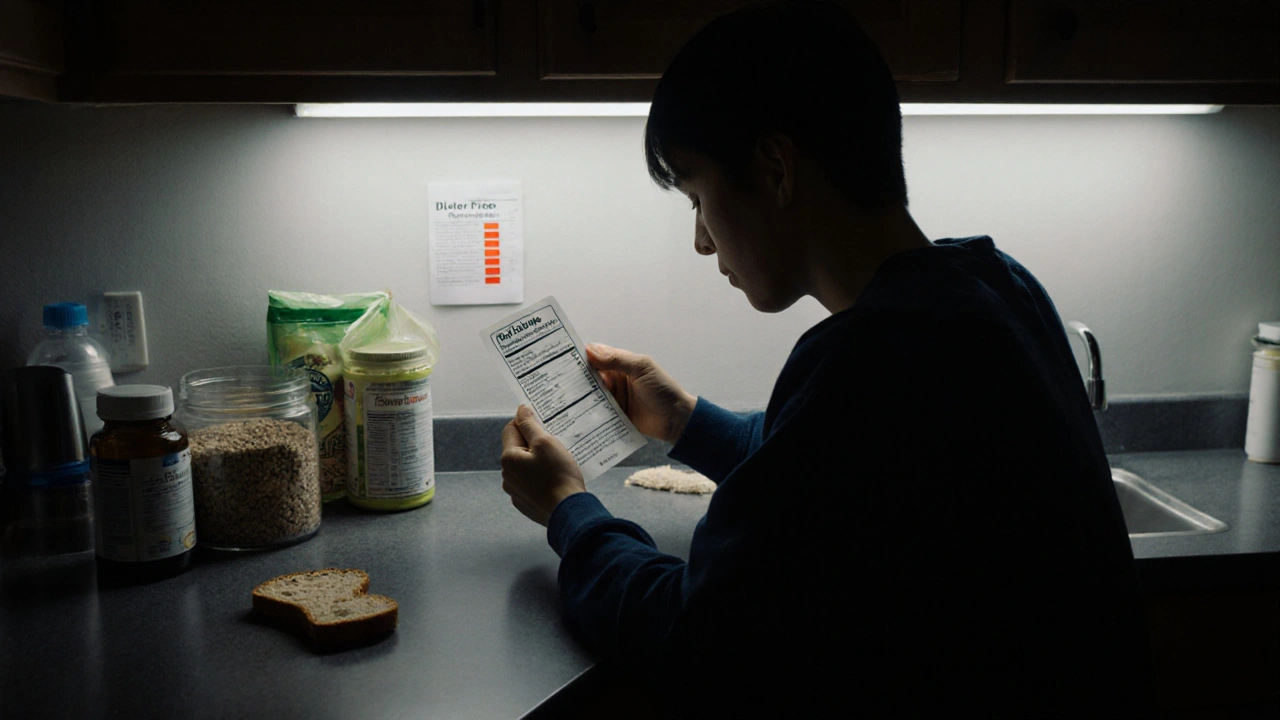
Celiac disease requires lifelong gluten avoidance and targeted nutrient supplementation to heal the gut and prevent serious deficiencies like anemia, osteoporosis, and nerve damage. Learn what to eat, what to avoid, and how to fix common nutrient gaps.
Read More >>