
When you have old pills sitting in your medicine cabinet, drug disposal, the process of safely getting rid of unused or expired medications to prevent harm isn’t just about cleaning up—it’s about keeping your home, water supply, and community safe. Many people think flushing pills or tossing them in the trash is fine, but that’s not true. Improper disposal can lead to accidental poisonings, drug abuse, and even contamination of rivers and drinking water. The pharmaceutical waste, unused medications that enter the environment through improper disposal from homes adds up fast, and it’s a problem we can fix with simple, smart choices.
Safe drug take-back programs, official collection sites where pharmacies, hospitals, or police stations accept unused medications are your best option. These programs, often run by the DEA or local health departments, collect pills, patches, and liquids and destroy them safely. You don’t need a prescription to drop off meds—just bring them in, no questions asked. If there’s no drop-off near you, the FDA says you can mix pills with coffee grounds or cat litter, seal them in a bag, and throw them in the trash. Never flush unless the label says to—only a few drugs, like certain opioids, are dangerous enough to warrant flushing. And never give old meds to someone else, even if they have the same symptoms. That’s how overdoses start.
Expired expired drugs, medications past their labeled expiration date that may lose potency or become unsafe aren’t always dangerous, but they’re not reliable either. Insulin, nitroglycerin, and liquid antibiotics? Throw them out on the date. Antibiotics you didn’t finish? Don’t save them for next time. And don’t assume a bottle from 2018 is still good. Your body doesn’t care if it’s "still in date"—it only responds to what’s actually in the pill. The same goes for painkillers, sleep aids, or vitamins. If you’re unsure, check with your pharmacist. They’ve seen it all and will tell you what’s worth keeping and what needs to go.
Why does this matter? Because every year, thousands of kids get into medicine left in open cabinets. Every year, people misuse old prescriptions because they’re easy to grab. And every year, chemicals from flushed pills end up in fish and drinking water. You’re not just cleaning out a drawer—you’re protecting your family, your neighbors, and the planet. The good news? You don’t need a degree in pharmacy to do it right. Just know the rules, use the drop-off sites when you can, and when you can’t, dispose of meds the safe way. Below, you’ll find real stories and practical advice from people who’ve been there—how to organize your meds, what to do with patches, how to talk to aging parents about their medicine cabinets, and why one pharmacy can make all the difference in keeping track of what you have.
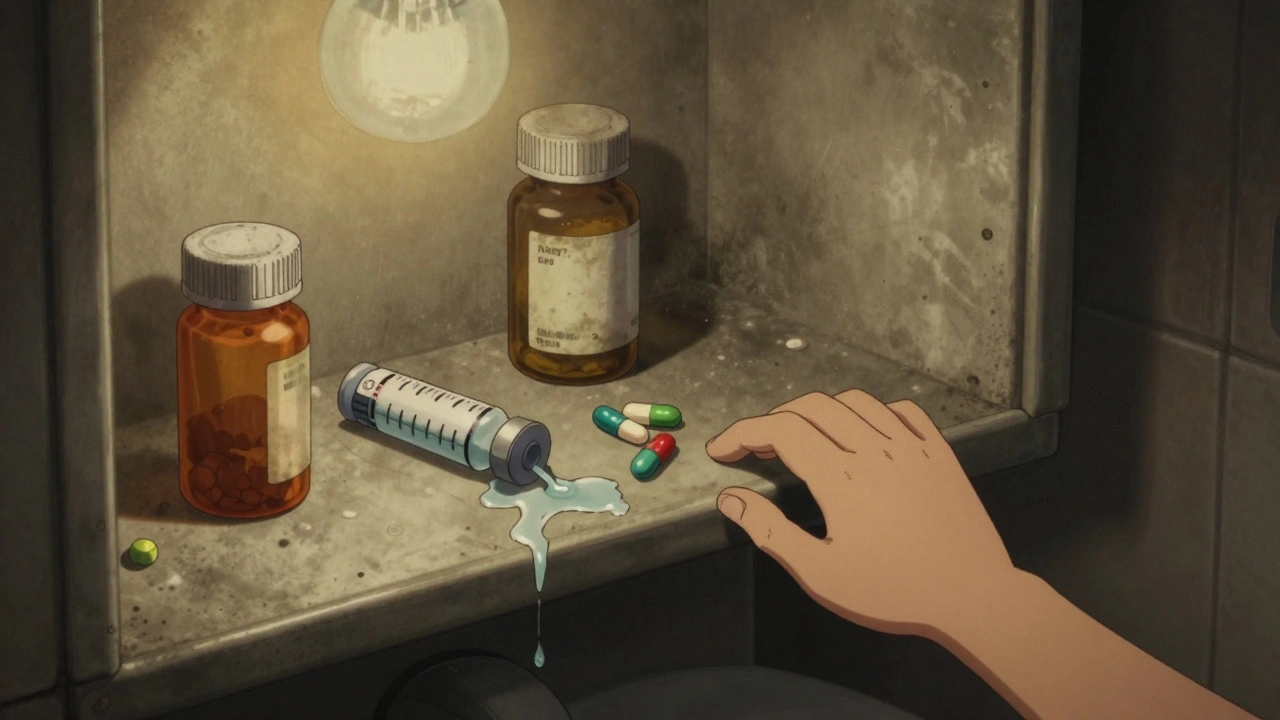
Expired medications can be dangerous-even if they look fine. Learn how to safely check, dispose of, and organize your medicine cabinet with this simple, step-by-step checklist backed by health experts.
Read More >>