
When it comes to elderly medication safety, the practice of managing drug use in older adults to minimize harm and maximize benefit. Also known as geriatric pharmacotherapy, it’s not just about giving the right pills—it’s about knowing which ones to stop. More than 40% of adults over 65 take five or more medications daily. That’s not just common—it’s risky. Each new drug adds a chance for harmful interactions, side effects, or falls caused by dizziness or confusion. The goal isn’t to cut meds blindly, but to remove what’s no longer needed, replace what’s dangerous, and simplify what’s complicated.
geriatric polypharmacy, the use of multiple medications by older patients, often without clear benefit, is the biggest threat to elderly medication safety. It’s not the number of pills that matters most—it’s whether each one still serves a purpose. Many seniors keep taking drugs long after the original condition is gone, or because no one ever reviewed their full list. That’s where deprescribing, the planned and supervised process of reducing or stopping medications that may no longer be beneficial or may be harmful comes in. Studies show that when doctors and pharmacists work together to do a full medication review, a systematic assessment of all current drugs to identify problems and optimize therapy, hospital visits for adverse drug events drop by nearly 30%. These reviews aren’t one-time events—they need to happen every time a senior sees a new doctor, fills a new prescription, or shows signs of confusion, fatigue, or unexplained bruising.
And it’s not just about pills. Over-the-counter sleep aids, pain relievers, and herbal supplements often slip through the cracks. A daily antihistamine for allergies might cause memory problems. A common NSAID for joint pain could trigger kidney issues or stomach bleeding. Even something as simple as aspirin, once thought to be harmless for heart health, now carries clear risks for older adults with no history of heart disease. The key is asking: Is this still helping? Could it be hurting? Is there a safer alternative? The answers aren’t always obvious, which is why so many seniors end up in the ER from something that could’ve been avoided with a simple conversation.
What you’ll find below are real, practical guides from doctors and pharmacists who’ve seen this happen—again and again. You’ll learn how to spot the warning signs of dangerous drug combos, how to talk to a doctor about cutting back, and which medications are most likely to cause trouble in older bodies. No fluff. No theory. Just what works when lives are on the line.
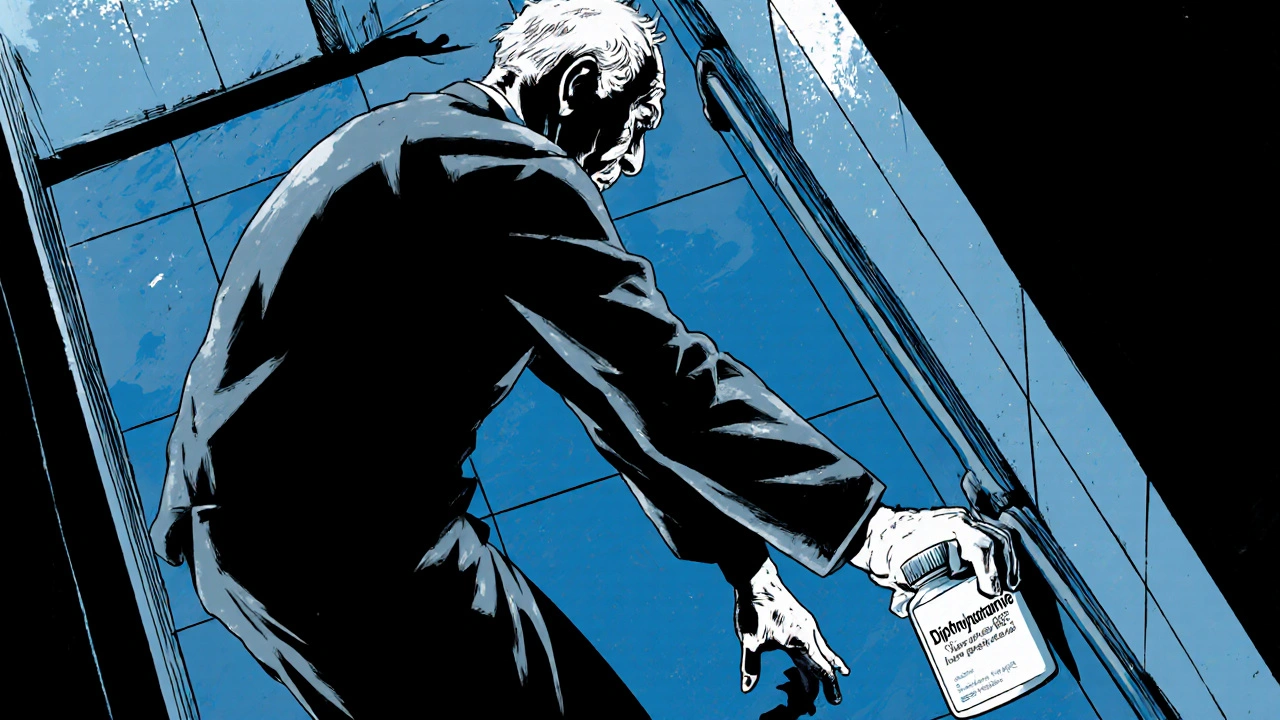
First-generation antihistamines like Benadryl significantly increase fall risk in older adults. Learn why they're dangerous, which safer alternatives exist, and how to prevent falls through medication changes and home safety.
Read More >>