
When you find an old bottle of pills in the back of your medicine cabinet, the first question isn't "Can I still take this?"—it's "Will it kill me?" The truth is, most expired pills, medications past their labeled expiration date that may still be safe and effective under proper storage conditions. Also known as out-of-date drugs, they rarely turn toxic, but they can lose strength—and that’s dangerous if you’re counting on them to work. The FDA doesn’t require drug makers to prove pills are still good after their expiration date, but studies, including one from the U.S. Military, show many medications remain stable for years—even decades—when stored cool and dry. That’s why a 10-year-old aspirin might still ease your headache, but a 2-year-old insulin could fail to control your blood sugar.
Drug potency, the strength of a medication’s active ingredient at the time of use drops over time, especially in heat, humidity, or sunlight. Antibiotics like amoxicillin or tetracycline might not kill bacteria if they’ve weakened, leading to treatment failure or even antibiotic resistance. Nitroglycerin, used for heart attacks, degrades fast—even in its original bottle—and using expired nitroglycerin could cost you your life. Same with epinephrine auto-injectors: if the liquid looks cloudy or discolored, don’t use it, no matter the date. On the flip side, painkillers, antihistamines, and antidepressants often hold up well. The real risk isn’t poison—it’s the false belief that an old pill will still do its job.
Safe medication storage, keeping drugs in a cool, dry place away from moisture and light to preserve their effectiveness matters more than the date on the label. A bathroom cabinet is a terrible place—steam from showers ruins pills. A bedroom drawer, a kitchen shelf away from the stove, or even the fridge (if the label says so) works better. Always keep pills in their original bottles with the label intact. That way, you know the name, dose, and expiration date. If you’re unsure, don’t guess. Talk to your pharmacist. They can check storage history and advise whether it’s safe to use.
Some drugs are time-sensitive by design. Liquid antibiotics, eye drops, and injectables often have short shelf lives after opening—even if the bottle says "expires in 2027." The expiration date on the box is for unopened, factory-sealed products. Once you open them, clock starts ticking. That’s why pharmacies print "discard after" dates on some prescriptions. And don’t assume generics are different. A generic ibuprofen is just as likely to lose potency as the brand name if stored poorly.
You’ll find plenty of posts here that dig into the real-world side of this. Some explain how to read your prescription label so you never run out of medicine. Others show how to spot fake drug recalls or verify lot numbers to avoid counterfeit pills. One post breaks down why switching from brand warfarin to a generic can change your INR levels. Another warns about how heat during military deployment can wreck vaccines and heart meds. All of them tie back to one thing: expired pills aren’t just about dates—they’re about trust. Trust that your medicine will work when you need it most. Trust that you’re not risking your health by using something old. And trust that you know the difference between a harmless leftover and a silent danger.
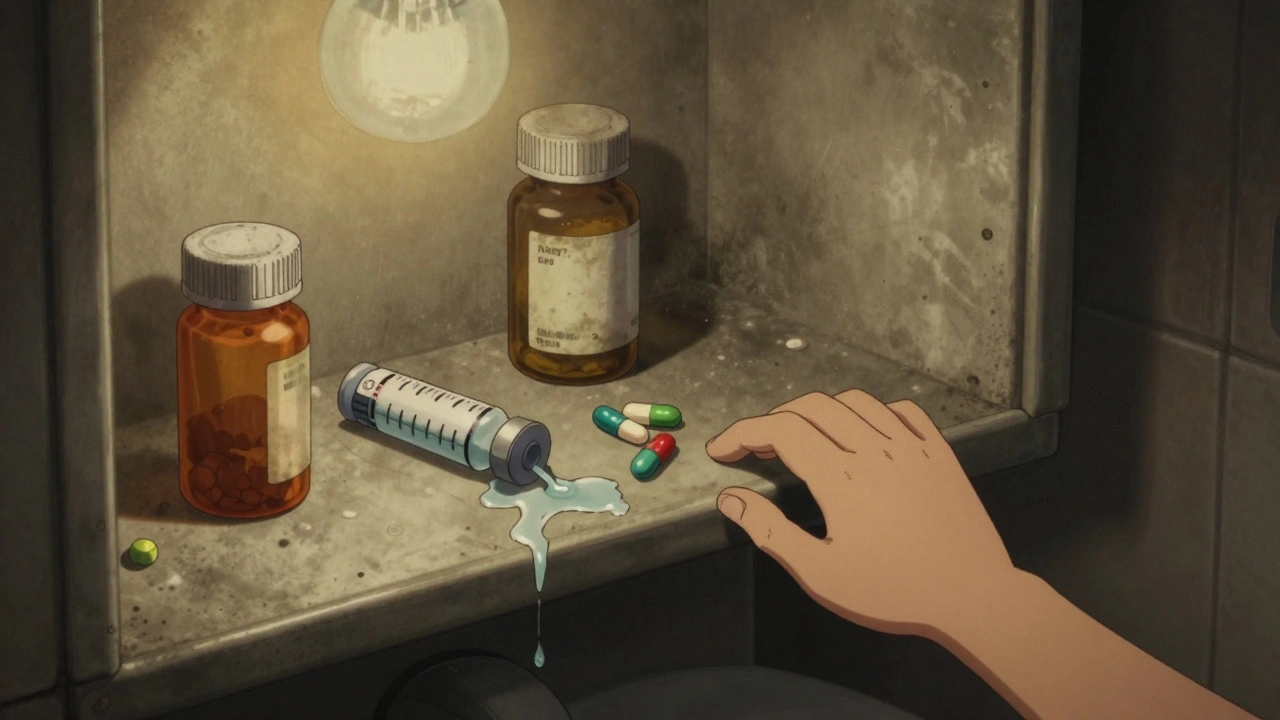
Expired medications can be dangerous-even if they look fine. Learn how to safely check, dispose of, and organize your medicine cabinet with this simple, step-by-step checklist backed by health experts.
Read More >>