
When you hear gluten-free diet, a way of eating that removes gluten, a protein found in wheat, barley, and rye. Also known as wheat-free diet, it’s not just a trend—it’s a medical necessity for millions. For people with celiac disease, an autoimmune disorder where gluten triggers damage to the small intestine, eating gluten isn’t just uncomfortable—it can cause long-term harm like nutrient loss, bone thinning, and even intestinal cancer. About 1 in 100 people have this condition, and most don’t even know it yet.
Then there’s non-celiac gluten sensitivity, a real but less understood reaction to gluten that causes bloating, fatigue, and brain fog without the intestinal damage seen in celiac disease. Studies show this affects up to 6% of the population, and while it’s not life-threatening, the symptoms can be debilitating. Many people report feeling better after cutting out gluten—even if tests for celiac come back negative. But here’s the catch: not everyone who feels better on a gluten-free diet is actually reacting to gluten. Sometimes it’s the FODMAPs, the fermentable carbs in wheat, that are the real troublemakers. That’s why a proper diagnosis matters before you overhaul your entire pantry.
What you’ll find in this collection isn’t marketing hype or vague wellness advice. These are real, practical posts written for people who need to manage health conditions tied to gluten. You’ll see how gluten-free diet connects to medication safety—like how certain drugs may contain hidden gluten fillers. You’ll find comparisons between supplements and treatments that support gut healing after gluten exposure. You’ll learn how digestive issues like interstitial cystitis or chronic pain can overlap with gluten sensitivity, and how managing one might help the other. There’s no guesswork here—just clear, evidence-based info on what works, what doesn’t, and what you should ask your doctor before making big changes.
Whether you’ve been told to go gluten-free by a doctor, or you’re trying it because you’re tired of feeling sluggish after meals, this collection gives you the tools to do it right. No fads. No fear. Just facts you can use.
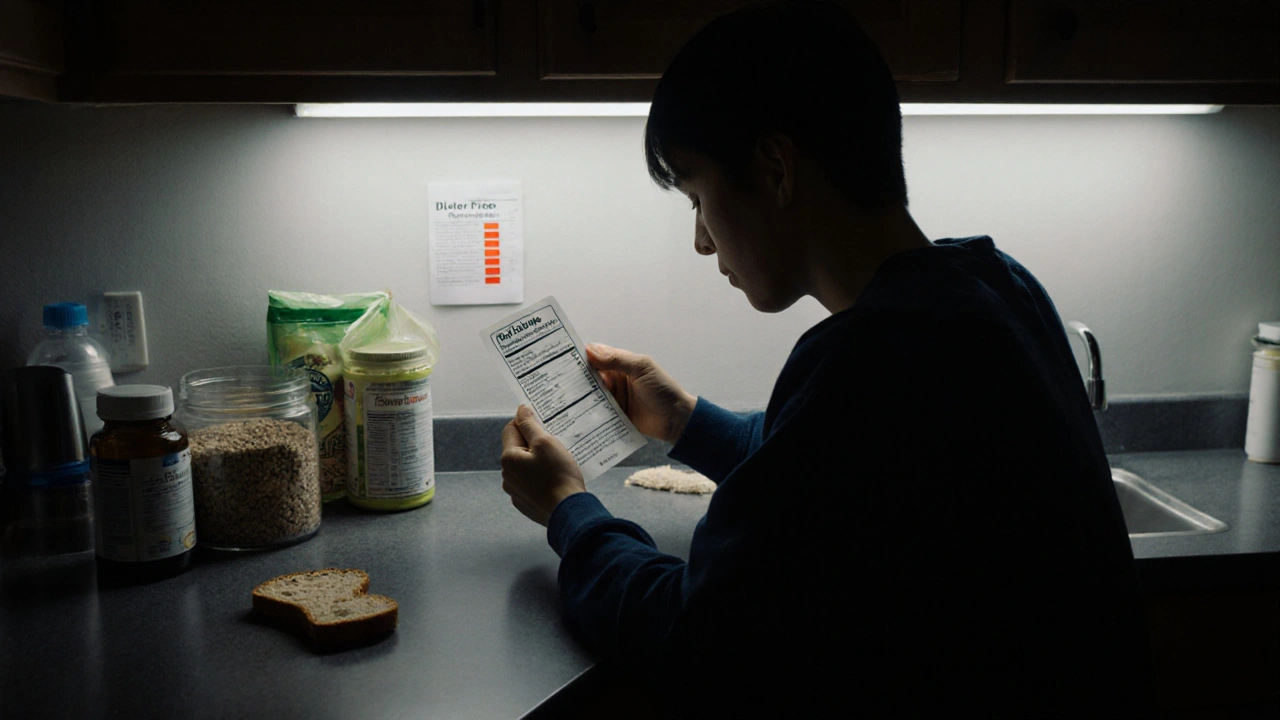
Celiac disease requires lifelong gluten avoidance and targeted nutrient supplementation to heal the gut and prevent serious deficiencies like anemia, osteoporosis, and nerve damage. Learn what to eat, what to avoid, and how to fix common nutrient gaps.
Read More >>