
When you hear gluten-free living, a dietary and lifestyle approach that avoids gluten, a protein found in wheat, barley, and rye. Also known as gluten avoidance, it’s often linked to celiac disease, but it’s more than that. Millions of people follow this way of eating—not because they have a diagnosis, but because their body reacts poorly to gluten. It’s not a fad. It’s a medical reality for some, and a comfort fix for others.
Celiac disease, an autoimmune disorder where gluten triggers damage to the small intestine affects about 1 in 100 people. If you have it, even a crumb of bread can cause long-term harm. Then there’s non-celiac gluten sensitivity, a condition where people feel better without gluten, but don’t show the intestinal damage seen in celiac disease. Symptoms like bloating, fatigue, brain fog, and joint pain often clear up when gluten is removed. Neither condition is about weight loss or trendy diets—it’s about how your body handles a common protein.
Gluten hides everywhere. It’s not just in bread and pasta. It’s in soy sauce, salad dressings, processed meats, even some medications and supplements. That’s why gluten-free living means learning to read labels, asking questions at restaurants, and planning meals ahead. It’s not about perfection—it’s about awareness. You don’t need to avoid every trace of gluten unless you have celiac disease. But if you’re sensitive, even small amounts can add up.
Many people think gluten-free means eating only salads and chicken. That’s not true. There are thousands of naturally gluten-free foods: rice, potatoes, quinoa, fruits, vegetables, eggs, meat, fish, nuts, and dairy. And there are plenty of safe, tasty alternatives now—gluten-free bread that doesn’t taste like cardboard, pasta made from chickpeas or lentils, and snacks that actually satisfy. The trick is knowing what to look for and where to find it.
People who live gluten-free often struggle with social situations—birthday cakes, office lunches, family dinners. That’s why understanding cross-contamination matters. A toaster used for regular bread can contaminate gluten-free toast. A shared fryer can turn fries into a problem. These aren’t minor details—they’re real risks for some. And that’s why this collection of articles doesn’t just list foods. It shows you how to manage gluten-free living in real life: how to eat out safely, how to handle family pressure, how to spot hidden gluten, and how to tell if your symptoms are actually linked to gluten or something else.
Some of the posts here compare treatments for digestive issues tied to gluten exposure. Others break down how gluten-free diets interact with medications, supplements, or chronic conditions. You’ll find practical advice on what to buy, what to avoid, and how to make gluten-free living sustainable—not just for a month, but for years. This isn’t about being perfect. It’s about feeling better, knowing what you’re eating, and taking back control of your health without feeling isolated or overwhelmed.
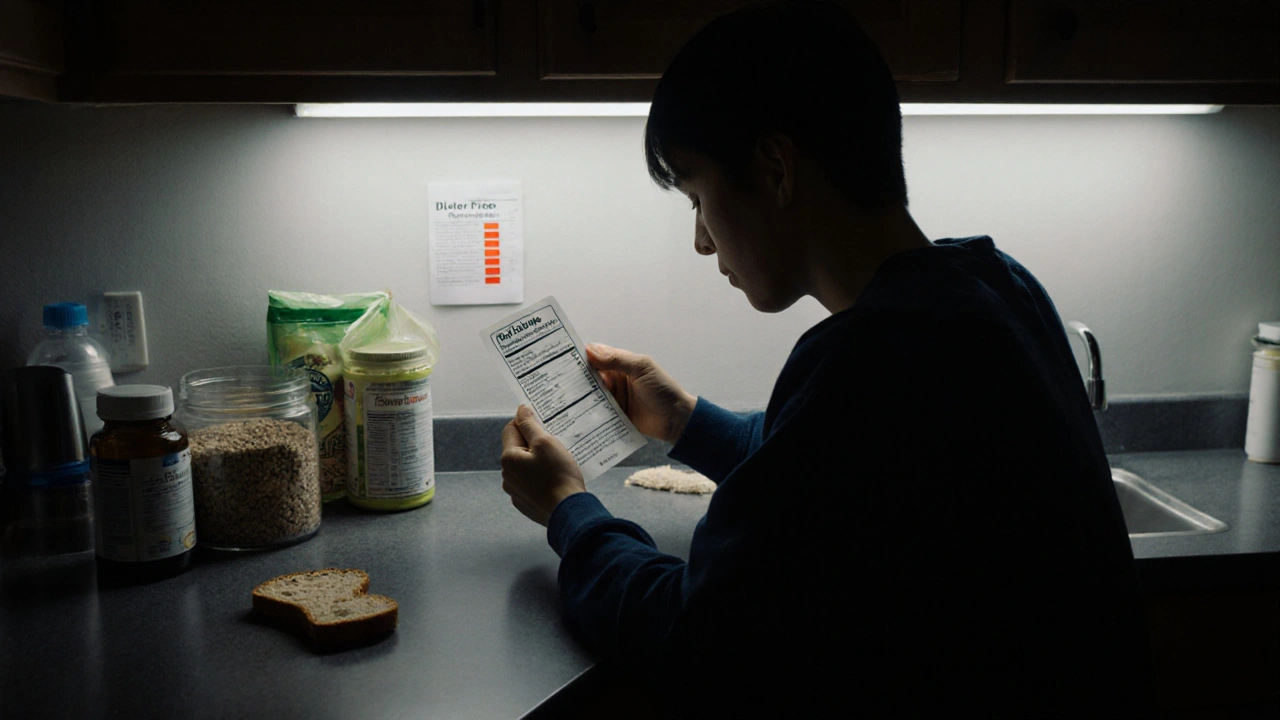
Celiac disease requires lifelong gluten avoidance and targeted nutrient supplementation to heal the gut and prevent serious deficiencies like anemia, osteoporosis, and nerve damage. Learn what to eat, what to avoid, and how to fix common nutrient gaps.
Read More >>