
If you’ve tried over‑the‑counter sleep pills and still feel restless at night, low‑dose doxepin might be worth a look. It’s a prescription medication originally made for depression, but at doses as low as 3 mg to 6 mg it acts more like a gentle antihistamine that helps you fall asleep and stay asleep.
Unlike strong sedatives, low‑dose doxepin doesn’t knock you out. Instead, it reduces the brain’s “wake‑up” signals, especially the histamine activity that keeps you alert. The result is a calmer night without the groggy feeling that many people report after taking stronger sleep drugs.
The key is its antihistamine effect. Histamine is a messenger that promotes wakefulness. By blocking the H1 receptors in the brain, doxepin lowers the alertness signal, making it easier to drift off. At the low doses used for insomnia, the drug has minimal impact on mood or pain pathways, which are more active at higher depression‑treating doses.
Clinical trials have shown that taking 3 mg or 6 mg about 30 minutes before bedtime can lengthen total sleep time by an average of 30‑45 minutes. It also helps reduce the number of awakenings during the night. Because it works on a specific pathway, it tends to have fewer next‑day side effects compared with traditional benzodiazepines or Z‑drugs.
Before you ask for a prescription, talk to your doctor about any other meds you take. Low‑dose doxepin can interact with certain antidepressants, blood thinners, and drugs that affect heart rhythm. If you have a history of heart problems, your doctor may want an ECG before starting.
Start with the lowest dose (usually 3 mg) and see how you feel. Some people need to step up to 6 mg for the right effect. Take it right before you go to bed and make sure you have at least 7‑8 hours of sleep time. Skipping a night doesn’t usually cause withdrawal, but you should keep a consistent schedule for best results.
Common side effects are mild: dry mouth, slight dizziness, or a bit of constipation. These usually fade after a week or two. If you notice persistent headaches, rapid heartbeat, or trouble breathing, call your doctor right away – those could be signs of a rare reaction.
Because low‑dose doxepin works differently from classic sedatives, it’s a good option for people who can’t tolerate strong sleep aids. It’s also useful for older adults who need to avoid falls caused by daytime drowsiness.
In summary, low‑dose doxepin offers a targeted way to improve sleep quality without the heavy hang‑over some other medications cause. Talk to your healthcare provider to see if it fits your sleep pattern, follow the dosing guide, and monitor how you feel each night. With the right approach, you can finally get the restful nights you’ve been missing.
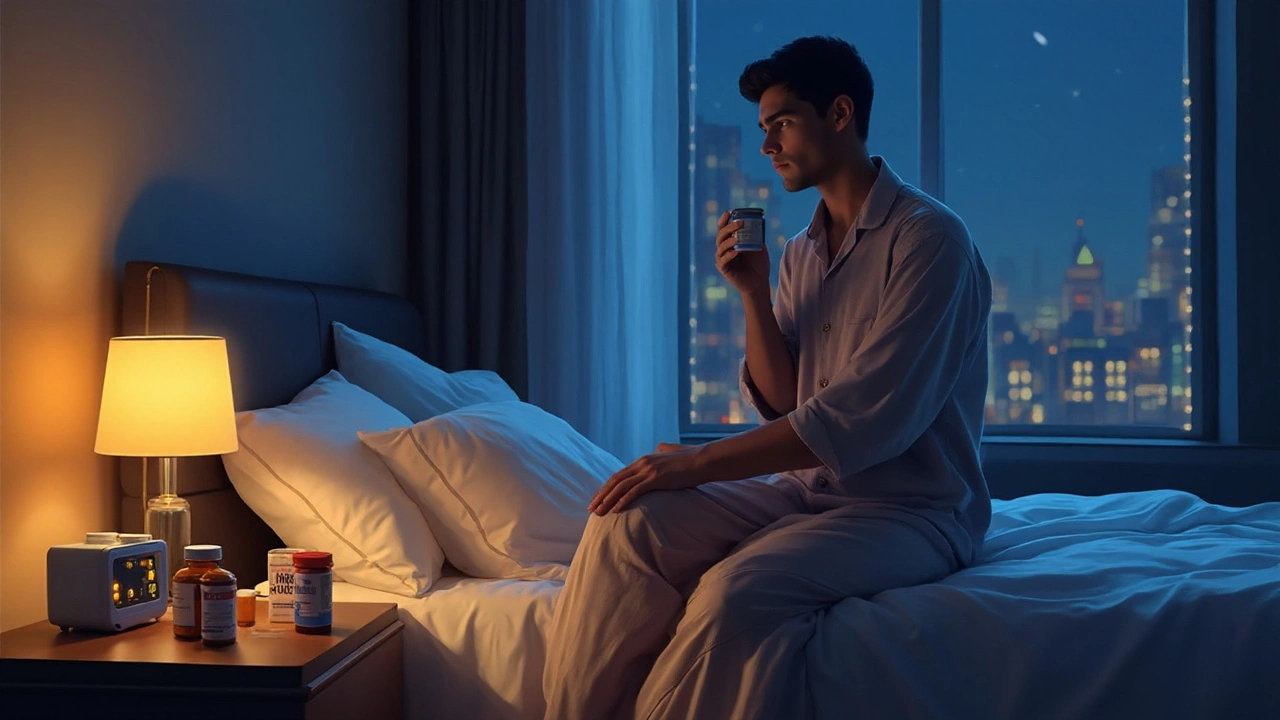
A detailed 2025 comparison of Sinequan (doxepin) with other prescription and over‑the‑counter sleep aids, covering effectiveness, side‑effects, dosage and best‑use scenarios.
Read More >>