
When you talk to your doctor or pharmacist, what you say—and what they hear—can mean the difference between healing and harm. Patient-provider communication, the exchange of clear, honest, and timely information between a patient and their healthcare team. Also known as doctor-patient dialogue, it’s not just about asking questions—it’s about making sure you’re understood, and that your provider truly hears your concerns. This isn’t fluff. Poor communication leads to missed doses, dangerous drug interactions, and unnecessary hospital visits. A study from the National Academy of Medicine found that over 40% of medication errors in outpatient care stem from breakdowns in communication, not mistakes in prescribing.
Think about it: if you don’t know why you’re taking a drug, what it does, or what side effects to watch for, you’re more likely to stop it—or take it wrong. That’s why medication safety, the practice of preventing harm from drugs through clear instructions and patient understanding depends entirely on how well you and your provider connect. It’s not enough to hand you a pill bottle with a tiny label. You need to know if that pill is for high blood pressure or cholesterol, if it’s safe with your other meds, and what to do if you feel dizzy or nauseous. And if you’re on warfarin, statins, or blood thinners—drugs with narrow safety margins—this talk isn’t optional. It’s life-or-death.
It’s not just about what the provider says. It’s about whether you feel safe asking. Many people don’t admit they can’t read the label, or they’re too embarrassed to say they skipped doses because the cost was too high. That’s where health literacy, the ability to understand and use health information to make informed decisions comes in. A good provider doesn’t assume you know what "INR" or "QT prolongation" means. They check in. They use plain language. They ask, "What’s your biggest worry about this medicine?" That’s the kind of conversation that turns a prescription into real care.
And it’s not just one talk. It’s a chain: your refill reminders, your pharmacy counseling, your follow-up visits. When you use one pharmacy, as many posts here show, your meds are tracked together. But if you never told your doctor you’re taking herbal supplements like turmeric or Boswellia, you’re missing a key piece of the puzzle. That’s why treatment adherence, sticking to your prescribed plan because you understand and agree with it doesn’t happen by accident. It happens when you feel heard, respected, and informed.
Below, you’ll find real-world guides that show how communication ties into every part of your health journey—from reading your prescription label to spotting fake drug recalls, from knowing when to go to the ER for bleeding to understanding why generic switching can change your INR. These aren’t just medication tips. They’re communication tools in disguise. Because the best drug in the world won’t help if you don’t know how to use it—or why.
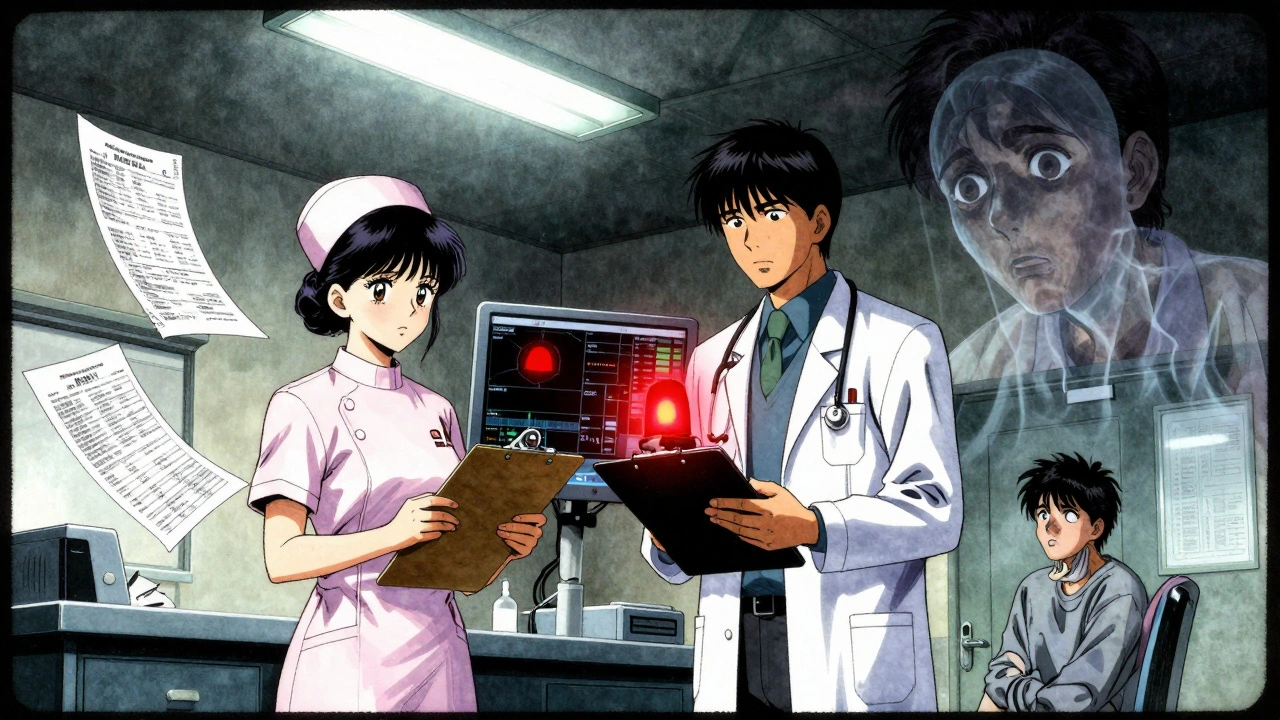
Institutional healthcare communication programs train staff to reduce errors, improve patient satisfaction, and save lives. Learn how evidence-based training works, who benefits, and what makes these programs succeed-or fail.
Read More >>