
When dealing with Urinary Symptoms, any change in the way you urinate—such as frequency, urgency, pain, or blood—signals that something in the urinary system may need attention. Also known as urinary signs, they can stem from infections, stones, or muscle dysfunction.
Urinary symptoms are not just an annoyance; they often point to an underlying health issue that benefits from early detection. The most common culprit is a Urinary Tract Infection, a bacterial invasion that triggers burning, urgency, and sometimes cloudy urine. Another frequent player is Incontinence, the involuntary loss of urine that can affect confidence and daily activities. Overactive bladder, characterized by sudden urges and frequent trips to the bathroom, and kidney stones, which cause sharp flank pain and hematuria, round out the typical spectrum. Each of these entities influences the others—UTIs can worsen incontinence, while bladder muscle dysfunction can increase infection risk.
Our article collection reflects this web of connections. For example, the guide on Azithromycin DT vs Alternatives dives into antibiotic choices that are often prescribed for UTIs, helping you weigh dosage, side‑effects, and cost. The piece on REM Sleep and Chronic Pain highlights how poor sleep can exacerbate bladder sensitivity, while the discussion on Managing Delayed Sleep Phase Syndrome offers practical tips that indirectly support better urinary control by stabilizing circadian rhythms.
Diagnosing urinary symptoms starts with a simple conversation and a few key tests. A urine dip‑stick can reveal infection, blood, or glucose, while a culture pinpoints the exact bacteria for targeted therapy. Imaging—ultrasound or CT—helps spot stones or structural anomalies. For those experiencing urgency without infection, a bladder diary tracks fluid intake, voiding times, and triggers, providing valuable data for clinicians.
Management strategies blend lifestyle tweaks and medical options. Drinking enough water (about 1.5‑2 L daily) keeps urine dilute, reducing irritation. Limiting caffeine, alcohol, and spicy foods can cut urgency episodes. Bladder training—gradually extending intervals between bathroom trips—strengthens control. When lifestyle isn’t enough, medications like anticholinergics for overactive bladder or topical estrogen for post‑menopausal incontinence may be prescribed. In recurrent UTIs, low‑dose antibiotics or prophylactic measures (e.g., cranberry extracts) are discussed in our antibiotic comparison guide.
Imagine waking up at 3 am, racing to the bathroom, only to feel a burning sting—this is classic acute cystitis, a subset of urinary tract infection. Or picture a sudden urge to pee while in a meeting that you can’t hold; that’s overactive bladder signaling a hyperactive detrusor muscle. Some people notice a steady dribble after coughing or laughing, indicating stress incontinence linked to weakened pelvic floor muscles. Each scenario calls for a slightly different approach, but all begin with recognizing the symptom pattern and seeking appropriate evaluation.
Below you’ll find a curated list of articles that unpack these topics in depth. Whether you’re curious about which antibiotic best treats a stubborn infection, want practical sleep‑adjustment tips that could ease bladder pressure, or need a step‑by‑step guide to buying affordable medication online, the posts are organized to give you quick, actionable answers. Explore the collection and arm yourself with the knowledge to address urinary symptoms confidently.
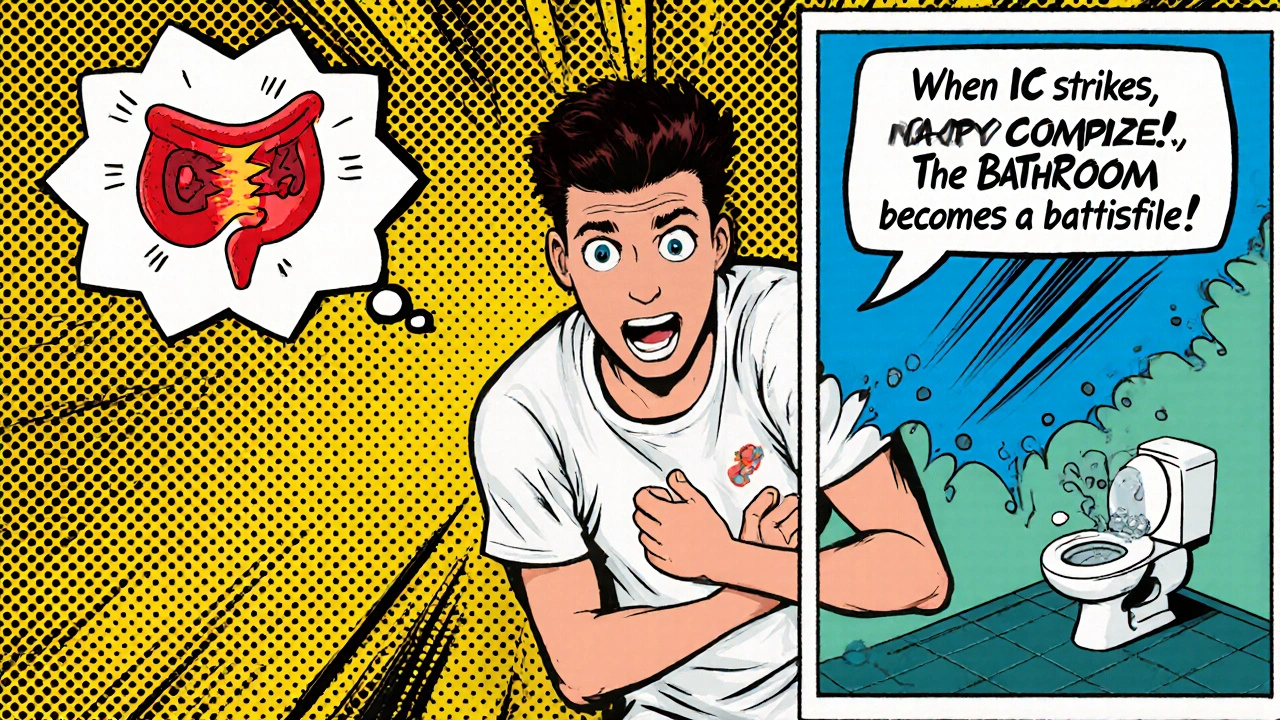
Learn how interstitial cystitis triggers difficulty urinating, recognize the symptoms, and discover effective management strategies to regain control of your bathroom routine.
Read More >>