
When it comes to your health, patient education, the process of giving people clear, practical knowledge about their health conditions and treatments. Also known as health literacy, it’s not just about reading pamphlets—it’s about making smart choices every day with your medicines. Too many people take pills without knowing why, how they work, or what could go wrong. That’s where patient education steps in—not as a lecture, but as a lifeline.
Think about medication safety, the practice of preventing harm from drugs through proper use, storage, and monitoring. It’s not just doctors and pharmacists keeping you safe. You’re the last line of defense. Did you know expired pills can still be active—or dangerously weak? Or that using two different pharmacies increases your risk of deadly drug interactions? drug interactions, when two or more medications affect each other’s action in your body can sneak up on you, especially if you’re on five or more pills. That’s why consolidating prescriptions at one pharmacy isn’t just convenient—it’s a safety move backed by real data.
And then there’s generic drug safety, the understanding that generic medications meet the same FDA standards as brand-name drugs, with identical active ingredients and effectiveness. Most people assume generics are cheaper because they’re inferior. They’re not. But switching from brand to generic warfarin? That can throw off your INR levels. That’s why knowing when to monitor and when to ask your doctor for a blood test is part of patient education too. It’s not about trusting blindly—it’s about knowing what to watch for.
Patient education also means understanding your prescription label. What does "refills left" really mean? Why does your blood thinner warning say "call if you have a nosebleed that won’t stop"? These aren’t random instructions—they’re your early warning system. And if you’re on statins during pregnancy, or taking folic acid with other meds, or wondering if that jock itch cream is safe for your kid? That’s where the right knowledge turns panic into action.
You don’t need a medical degree to protect yourself. You just need to know what questions to ask, what to check on your bottle, and when to say, "Wait, that doesn’t sound right." The posts below cover exactly that: how to spot fake drug recalls, why weight-based dosing matters for kids, how to handle black box warnings without stopping your meds, and what to do when your insurance pushes you to a new pharmacy. This isn’t theory. It’s what real people need to know to stay safe—and stay in control.
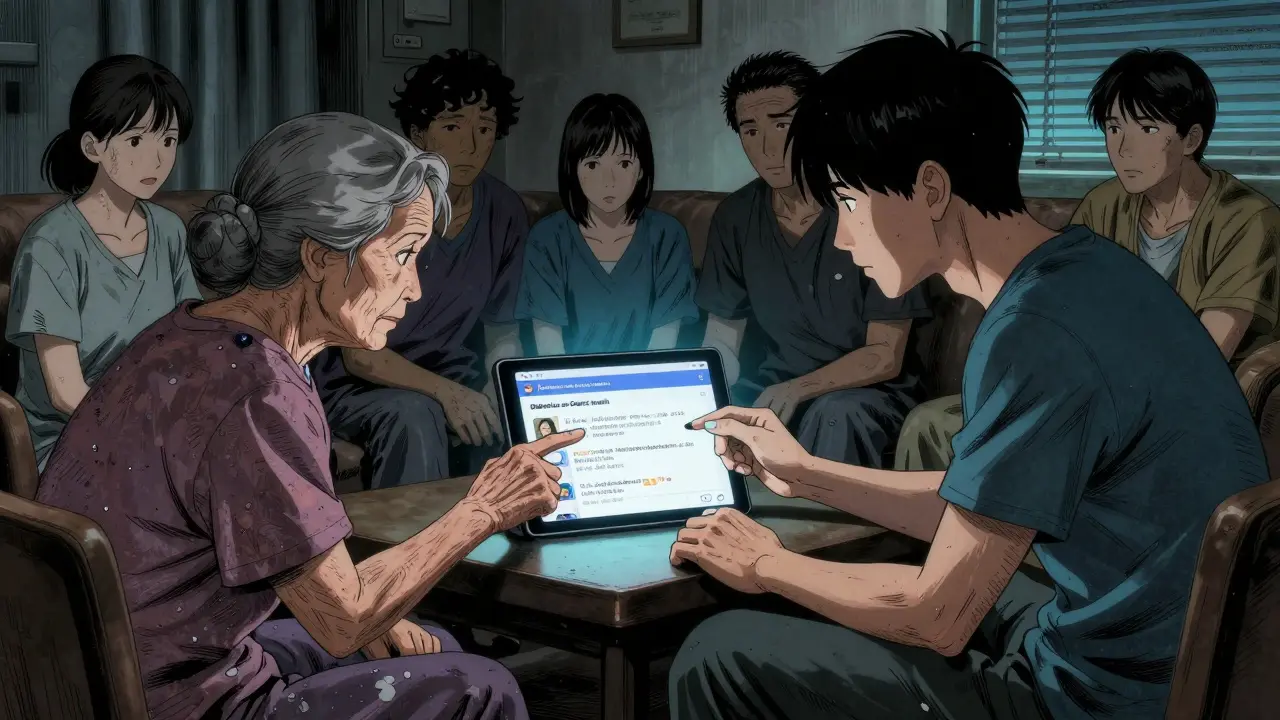
Patients are turning to social media to learn about generic drugs, sharing real experiences and debunking myths. Discover how platforms like TikTok, Instagram, and Facebook are transforming patient education-and how to find trustworthy info online.
Read More >>
Institutional healthcare communication programs train staff to reduce errors, improve patient satisfaction, and save lives. Learn how evidence-based training works, who benefits, and what makes these programs succeed-or fail.
Read More >>